.png)
What Your Sagging Floors Could Be Telling You About Termites
You step across your living room and notice it — a slight give underfoot, a soft spot that wasn't there before. Maybe the floor squeaks more than usual. Maybe there's a subtle dip near a doorway. Most homeowners chalk these things up to an aging house, humidity changes, or general settling.
But in Los Angeles County, there's another explanation that deserves serious attention: termites destroying your subfloor and floor joists from beneath.
Sagging floors and termites have a direct and often devastating relationship. Because termites feed from the inside out — hollowing out structural wood while leaving the surface intact — a floor can look and feel almost normal right up until the damage becomes severe.
By the time visible sagging appears, the structural problem underneath has usually been developing for years.
At Attack Pest Management, we've inspected thousands of homes across Los Angeles County and seen firsthand how quickly a soft floor can turn into a major structural crisis.
This post answers the questions homeowners most commonly ask us: Why is my floor sagging? Could it be termites? What does termite floor damage actually look like — and what should I do next?
Termite Floor Damage — By the Numbers
1 in 5 U.S. homes will be affected by termites | $5 Billion Annual termite damage cost in the U.S. | 2–4 Years Avg. time before floor damage becomes visible | $3,000–$8,000 Avg. cost to repair termite-damaged subfloor |
Why Termites Target Your Floors First

Floors are one of the first places termite infestations take hold — and one of the last places homeowners think to look. The reason comes down to the structure of your home. In most Southern California houses, the floor sits above either a crawl space or a concrete slab. Either way, the subfloor and the floor joists supporting it are made of wood — exactly what termites eat.
According to the U.S. Environmental Protection Agency (EPA), subterranean termites — the most destructive species in California — travel upward through the soil or through mud tubes they build along foundation walls, entering the wood framework directly below your floors. Drywood termites, also common in Southern California, can infest flooring from above through attic spaces or wall voids.
What Termites Actually Eat in Your Floor
Termites don't eat the finished surface of your floor — the hardwood, tile, or carpet you walk on. They target the structural layers underneath:
• The subfloor — the structural plywood or OSB layer directly beneath your finished flooring
• The floor joists — the horizontal wood beams that support the subfloor and transfer load to the foundation
• The sill plate — the wood framing that sits directly on the foundation, often the first point of termite entry
• The girders and beams — larger support members that carry multiple joists, often in crawl spaces
When these components are compromised, the floor above them loses its structural support — producing the spongy, soft, or sagging feel that homeowners notice when the damage is already well advanced.
5 Floor Symptoms That Could Signal Termite Damage

Not every squeaky or uneven floor is a termite problem — but certain symptoms are strong enough indicators that they should never be dismissed without a professional inspection. Here are the five most telling signs:
1. Soft or Spongy Spots Underfoot
When you walk across a room and feel the floor give slightly in certain spots — almost as if the surface is hollow beneath — this is one of the clearest indicators of subfloor damage. A healthy subfloor is rigid and solid. A termite-damaged subfloor has been eaten from below, losing density and the ability to bear weight properly. These soft spots are often more pronounced near exterior walls, under windows, or in rooms adjacent to a crawl space.
2. Floors That Bounce or Feel Springy
Floor joists are designed to be stiff. When they're intact, walking across a room should feel firm and stable. When termites have been feeding on floor joists, the wood loses its structural rigidity — producing a bounce or flex underfoot that engineers call 'excessive deflection.' This is particularly common in homes over crawl spaces, where subterranean termites have easy access to the underside of the framing.
3. Visible Dips, Slopes, or Sagging in the Floor
A floor that visibly sags — where you can see a dip from one end of the room to the other, or where furniture doesn't sit level — indicates that the supporting structure has been compromised enough to physically deform. At this stage, termite damage is typically advanced. The wood framing is no longer able to carry the weight placed on it without deflecting.
It's important to note that visible sagging can also result from foundation issues, excessive moisture, or overloading. However, in Southern California's termite-heavy climate, sagging floors and termites should always be investigated together. A professional inspection will determine the true cause.
4. Floors That Squeak More Than Usual
Some squeaking in older homes is normal — wood expands and contracts with temperature and humidity changes. But if you notice new, widespread squeaking that develops suddenly or worsens over time, particularly in areas that were previously quiet, it can indicate that the subfloor or joists beneath have been weakened. As wood loses density from termite feeding, the connections between structural layers loosen, creating the friction that produces squeaks.
5. Hollow Sound When You Tap or Knock
Take a screwdriver or your knuckle and tap on your hardwood floor, baseboard, or door frame near the floor. A solid, healthy piece of wood produces a dense thud. Wood that has been hollowed out by termites produces a distinctly hollow, papery sound — almost like tapping on a cardboard box. This is one of the most reliable early indicators of termite activity and warrants immediate professional investigation.
Is It Termites or Something Else? A Comparison

Sagging and soft floors have multiple potential causes. This table helps you understand how termite-related floor damage compares to other common culprits — and why a professional inspection is always the right call when you're unsure.
Floor Symptom | If Termites Are the Cause | If Another Issue Is the Cause |
Soft or spongy spots | Common — subfloor eaten hollow beneath | Possible — water damage or rot |
Bouncy or springy feel | Common — joists weakened | Less common — structural settling |
Visible sagging | Yes — advanced joist damage | Yes — foundation issues or overload |
Squeaking when walked on | Yes — wood integrity lost | Common — normal aging or humidity |
Frass or mud tubes nearby | Strong indicator of termites | Not present |
Hollow sound when tapped | Strong indicator of termites | Rare — usually solid |
Important: Even if another cause seems more likely, termite damage is frequently found alongside water damage and rot — because moisture attracts both. A professional termite inspection will identify which issue — or combination of issues — is affecting your floor. |
How Termites Damage Floors — The Step-by-Step Process

Understanding how termites destroy a floor helps explain why the problem is so often discovered late — and why the damage is so extensive by the time it's visible.
Step 1 — Entry Through the Foundation or Crawl Space
Subterranean termites enter most homes through the soil. They build mud tubes along foundation walls, concrete piers, or plumbing penetrations to reach the wood framing above. The sill plate — the piece of wood that sits directly on top of the foundation — is almost always the first structural member to be attacked. As the UC Integrated Pest Management Program notes, this entry often occurs in areas homeowners never inspect, such as inside crawl spaces or beneath garage slabs.
Step 2 — Feeding on Joists and Subfloor from Below
Once termites establish a colony in the sill plate, they expand their foraging tunnels upward into the floor joists and laterally across the subfloor. They eat along the grain of the wood, hollowing it out from the inside while leaving a thin outer shell intact. This is why termite-damaged wood often looks fine from the outside — the real destruction is concealed within.
Step 3 — Structural Capacity Begins to Fail
As termites consume more wood fiber, the affected joists and subfloor panels lose their load-bearing capacity. The floor above begins to flex more than normal under foot traffic. Soft spots develop. Squeaking increases. At this stage, the infestation has typically been active for at least one to two years.
Step 4 — Visible Sagging and Advanced Structural Damage
In the most advanced cases — typically after three or more years of unchecked feeding — the floor visibly sags. Joists may crack or partially collapse. The finished flooring above can buckle, warp, or separate. At this stage, repair requires not just termite treatment but significant structural reconstruction.
The Role of Moisture in Accelerating Damage
Moisture is termite fuel. A crawl space with poor ventilation, a leaking pipe beneath the floor, or water intrusion near the foundation creates the ideal environment for both subterranean termites and wood rot — which work together to destroy structural wood faster than either would alone. The National Pest Management Association recommends addressing moisture issues and termite infestations simultaneously for effective, lasting repair.
The Real Cost of Ignoring a Sagging Floor
Many homeowners delay calling about a soft or sagging floor because they assume it's cosmetic, or that the repair will be too expensive to deal with right now. In reality, the opposite is true — delaying makes both the infestation and the repair cost significantly worse.
Damage Stage | What Is Affected | Est. Repair Cost | Treatment Needed |
Early (Year 1) | Subfloor surface, minor joists | $500–$1,500 | Spot treatment |
Moderate (Year 1–3) | Multiple joists, subfloor sections | $2,000–$5,000 | Broader treatment or tenting |
Severe (Year 3+) | Main beams, multiple floor areas | $5,000–$15,000+ | Full fumigation + structural repair |
The structural termite damage repair process involves more than just replacing damaged wood. It requires treating the active infestation, addressing any contributing moisture issues, and reinforcing or replacing affected structural members — all of which become far more labor-intensive the longer termites have been present.
What to Do If You Suspect Termites Are Causing Your Sagging Floor

Step 1 — Do a Basic Self-Check
Before calling a professional, do a quick walk-through of your home. Tap on baseboards, door frames, and floor surfaces near the suspicious area. Listen for hollow sounds. Check for small piles of frass (fine, pellet-like droppings) near baseboards or in window sills. Look along your foundation walls, inside garage perimeters, and around plumbing access points for mud tubes — pencil-thin tunnels made of soil and wood pulp.
If you find any of these signs, stop and call a professional. Do not attempt to treat the area yourself — disturbing an active colony without professional treatment can cause termites to scatter and establish new feeding sites elsewhere in the structure.
Step 2 — Schedule a Professional Termite Inspection
A licensed termite inspector will access the areas of your home that require specialized equipment and training — crawl spaces, attic framing above the floor, wall voids, and foundation perimeters. Our professional termite inspection at Attack Pest Management includes a full assessment of your floor structure, a written report of findings, and an honest recommendation for treatment and repair.
Step 3 — Treatment Before Repair
This is a critical sequence that many homeowners get wrong. The temptation is to fix the floor first — but repairing structural wood before eliminating the active termite colony simply means termites will destroy the new wood as well. Treatment must come first. Depending on the species and extent of infestation, our termite treatment options include localized spot treatments, full-home fumigation, and subterranean barrier systems.
Step 4 — Structural Repair
Once the infestation is confirmed eliminated, termite damage repair can begin. This may involve sistering new joists alongside damaged ones, replacing sections of subfloor, reinforcing sill plates, or — in severe cases — replacing entire sections of the floor framing. The scope depends entirely on how long the termites were active and how extensive the damage is.
Step 5 — Prevention to Protect Your Repaired Floor
After treatment and repair, an annual termite inspection and preventive treatment plan is the most effective way to ensure termites don't return. Our termite control plans are designed to provide year-round protection for Los Angeles County homes.
Why Los Angeles Crawl Space Homes Are at Especially High Risk

A significant portion of older homes in Los Angeles County — particularly those built before the 1970s in areas like Pasadena, Arcadia, Glendale, and Burbank — sit above crawl spaces rather than concrete slabs. These crawl spaces are often dark, poorly ventilated, and humid, creating ideal conditions for both subterranean termite colonies and the moisture-damaged wood that attracts them.
Crawl spaces are also the area of the home that homeowners are least likely to inspect. Many homeowners have never entered their crawl space at all. This combination — perfect termite habitat, zero homeowner visibility — is why crawl space homes in LA County experience some of the highest rates of subfloor termite damage in Southern California.
How to Reduce Crawl Space Termite Risk
• Ensure crawl space vents are open and functional to reduce humidity
• Install a vapor barrier on the crawl space floor to minimize moisture
• Maintain at least 18 inches of clearance between soil and wood framing — HUD guidelines recommend this as a baseline for termite prevention
• Remove any wood debris, old lumber, or cardboard stored in or near the crawl space
• Repair any plumbing leaks beneath the floor immediately
• Schedule an annual crawl space inspection with a licensed termite professional
Termite Floor Damage in Specific Los Angeles Communities
Termite pressure varies across Los Angeles County based on soil type, climate, proximity to older construction, and vegetation. Here's how sagging floor risks from termites play out in some of our most frequently served communities:
Pasadena and San Marino
Many homes in Pasadena and San Marino were built in the 1920s through 1950s with pier-and-beam construction over crawl spaces. These older structures are particularly vulnerable to subterranean termite damage to floor joists and sill plates, especially in homes where the crawl space has not been inspected in years.
Arcadia and Monrovia
Homes in Arcadia and Monrovia frequently see drywood termite infestations in flooring systems, particularly in homes with hardwood floors over wood subfloors. Frass deposits beneath floor vents or in closets near floor level are common early indicators in these communities.
Burbank and Glendale
The hillside terrain and older housing stock in Burbank and Glendale creates conditions where both drywood and subterranean species are active simultaneously. Homeowners in these areas often discover sagging floors are the result of multi-species infestations requiring comprehensive treatment plans.
Other Warning Signs That Often Accompany Termite Floor Damage
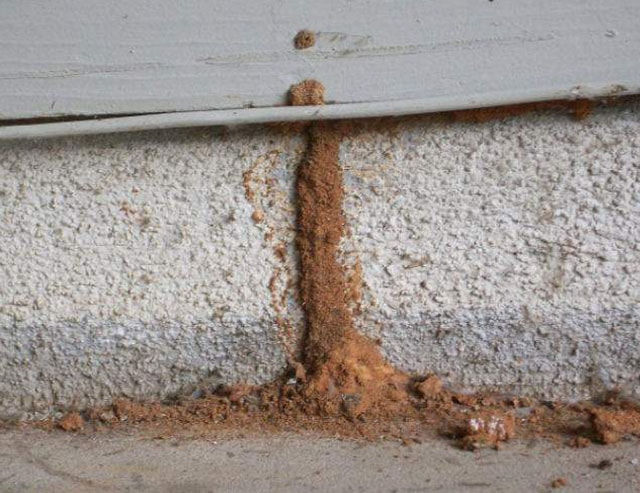
A sagging floor rarely occurs in isolation. When termites are actively damaging your floor structure, they are almost always present in other parts of the home simultaneously. Look for these accompanying signs:
• Mud tubes along foundation walls, piers, or exterior perimeter
• Hollow-sounding baseboards or door frames adjacent to the affected floor area
• Doors or windows near the sagging area that stick or no longer close properly
• Small piles of frass (fine, pellet-shaped termite droppings) near floor vents, baseboards, or window sills
• Discarded wings from termite swarmers on windowsills or near exterior doors
• Bubbling or peeling paint on walls adjacent to the affected floor — a sign of moisture from termite activity
Related Reading: Read our post on Hidden Places Termites Love to Attack First to understand how a floor infestation is often connected to damage in your walls, attic, and crawl space. |
When to Call Attack Pest Management Immediately
Some situations require same-day action rather than a scheduled appointment. Call us right away at 626-915-1111 if you observe any of the following:
• A floor that suddenly feels significantly softer or has developed a visible dip
• Cracking or splitting sounds from beneath the floor when walked on
• A floor that has visibly sagged more than half an inch in any area
• Active termite swarming — winged termites emerging from floor vents, wall outlets, or baseboards
• Wood beneath the floor that crumbles when touched or pressed with a screwdriver
• A hollow sound from large sections of flooring that were previously solid
We offer same-day and emergency inspections throughout Los Angeles County. Call 626-915-1111 and our licensed team will respond promptly. |
Related Blog Posts:
Frequently Asked Questions
Q: Can termites really cause floors to sag?
A: Yes. Termites that feed on floor joists, subfloor panels, and sill plates remove the structural wood fiber that supports your floor. As that wood loses density and strength, the floor above begins to flex, bounce, feel spongy, and eventually sag visibly. This process typically unfolds over one to four years before the sagging becomes noticeable.
Q: How do I know if my sagging floor is caused by termites or something else?
A: While water damage, foundation settling, and structural overload can also cause sagging floors, termites leave additional indicators: hollow-sounding wood when tapped, frass (fine pellet-like droppings) near baseboards or vents, mud tubes along foundation walls, and discarded wings near windows or doors. A professional termite inspection is the only reliable way to confirm the cause.
Q: How long does it take for termites to cause a floor to sag?
A: In most cases, visible floor sagging from termite damage takes two to four years of active infestation to develop. However, the rate depends on the size and species of the colony, the moisture level in the crawl space, and the thickness of the structural wood. Subterranean termite colonies — which can number in the millions — can accelerate this timeline significantly.
Q: Can I fix the floor first and deal with the termites later?
A: No — this is one of the most costly mistakes homeowners make. Repairing structural floor damage before eliminating the active termite colony means termites will simply destroy the new wood as well. Treatment must always come before structural repair. Our team at Attack Pest Management handles both treatment and repair coordination to ensure the correct sequence.
Q: Is it safe to live in a home with termite floor damage?
A: Mild to moderate termite floor damage is generally not an immediate safety hazard, though soft spots and weakened joists do create fall and injury risks over time. Severe sagging — where floor joists have partially collapsed or the floor deflects more than an inch — can be dangerous and should be addressed immediately. A professional inspection will assess the safety level and urgency of repairs needed.
Q: What does termite subfloor repair involve?
A: Termite subfloor repair typically involves sistering new joists alongside damaged ones, replacing sections of plywood or OSB subfloor, reinforcing or replacing sill plates, and treating any remaining moisture issues. The scope of work depends on how long the infestation was active and how many structural members were affected. At Attack Pest Management, we coordinate both the termite treatment and the referral to qualified structural repair contractors.
Q: How much does it cost to repair termite floor damage in Los Angeles?
A: Repair costs vary widely based on the extent of damage. Early-stage subfloor damage may cost $500 to $1,500 to repair. Moderate joist and subfloor damage typically runs $2,000 to $5,000. Severe damage involving main beams and multiple floor sections can exceed $15,000. Treatment costs are separate and depend on the species, infestation size, and method used.
Q: How can I prevent termites from damaging my floors in the future?
A: The most effective prevention measures include annual professional termite inspections, maintaining proper crawl space ventilation and a vapor barrier, fixing any plumbing leaks beneath the floor promptly, eliminating wood-to-soil contact around the foundation, and enrolling in a termite prevention plan with regular monitoring. Attack Pest Management offers annual inspection and prevention plans throughout Los Angeles County.
References & Reputable Resources
Is Your Floor Trying to Warn You?
Don't mistake a soft or sagging floor for normal wear and tear. If termites are at work beneath your feet, every day you wait makes the damage — and the repair bill — worse. Attack Pest Management has protected Los Angeles County homes for over 40 years. CALL NOW: 626-915-1111
Schedule an Inspection: www.attack-pestcontrol.com Serving Arcadia, Pasadena, Glendale, Burbank, Covina, West Covina, Monrovia & all of Los Angeles County |


Comments