.png)
The Difference Between Water Damage and Termite Damage Explained
Soft wood, stained walls, and warped flooring can point to two very different problems — and homeowners guess wrong more often than you'd think. The difference between water damage and termite damage isn't always obvious at a glance, but a few reliable clues can help you tell which one you're actually dealing with before you call a plumber, a contractor, or a pest control company.
The Difference Between Water Damage and Termite Damage: Why They Get Confused

Soft wood, stained walls, and warped flooring can point to two very different problems — and homeowners guess wrong more often than you'd think. The difference between water damage and termite damage isn't always obvious at a glance, but a few reliable clues can help you tell which one you're actually dealing with before you call a plumber, a contractor, or a pest control company.
Why It Matters to Get This Right
Treating a termite problem like a plumbing issue — or vice versa — means the actual cause keeps going unaddressed while the visible symptom gets patched over.
How Water Damage Typically Looks and Behaves

Water damage tends to follow a source — a leaking pipe, a roof failure, or a plumbing fixture nearby. Affected wood often swells, discolors, and can develop a grayish or dark staining pattern that radiates outward from the source.
Water Damage Usually Has a Clear Origin Point
If you can trace staining or softness back to a pipe, roof area, or appliance, water is the more likely culprit — termite damage rarely correlates this cleanly with plumbing or roofing locations.
How Termite Damage Typically Looks and Behaves
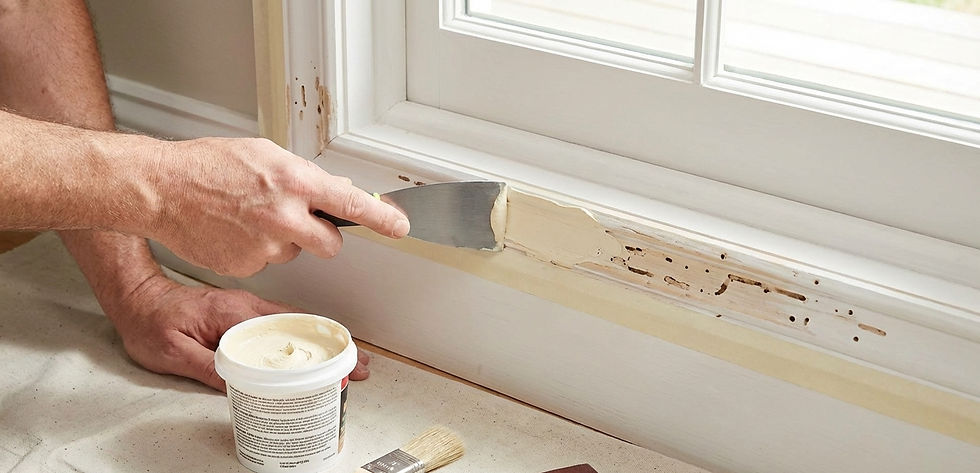
Termite damage tends to be more localized to wood itself, often following grain lines, and doesn't necessarily correlate with any plumbing or roofing issue nearby. Our post on why cracked paint and bubbling walls could point to termites covers how termite-related moisture can create surface symptoms that look similar to a water leak.
Mud Tubes Are a Termite-Specific Clue
Pencil-width mud tubes running along a foundation, support post, or crawl space wall are unique to subterranean termite activity — water damage never produces this particular sign.
The Wood Texture Test: Crumbly vs. Soft and Spongy

Termite-damaged wood often has a distinctive hollowed, layered, or crumbly texture when probed, sometimes described as looking almost honeycombed inside. Water-damaged wood, by contrast, tends to feel uniformly soft, swollen, or spongy throughout, without that layered pattern.
A Simple Probe Test
Gently pressing a screwdriver or similar tool into suspect wood can reveal which texture you're dealing with — though this test alone isn't conclusive, since advanced damage from either cause can start to resemble the other.
The Smell Test: Musty vs. Earthy

Water damage, especially when mold is involved, often produces a musty, mildew-like smell. Termite activity, particularly from certain subterranean colonies, can sometimes produce a more subtle, earthy or moldy-adjacent scent from the moisture in their mud tubes — which is part of why smell alone isn't a fully reliable way to tell the two apart.
Smell Is a Clue, Not a Diagnosis
A strong musty smell paired with visible mold growth points more toward water damage, while a subtler earthy smell near mud tubes or wood damage points more toward termites — but overlap is common enough that smell should support other evidence, not replace it.
Location Patterns: Where Each Type Tends to Show Up

Water damage tends to concentrate near plumbing, roofing, windows, and appliances — the actual paths water travels. Termite damage more often appears near foundations, sill plates, crawl spaces, and wood-to-soil contact points, following the termites' own access routes rather than a water source.
When Both Overlap
Bathrooms and areas near plumbing are exactly where both problems tend to show up, since termites are drawn to the same moisture that causes water damage in the first place — which is often why the two get confused there most.
Can You Have Both Water Damage and Termites at the Same Time?

Yes, and it's more common than most homeowners expect. Water damage creates the exact moist wood conditions termites are drawn to, so a pre-existing leak can actually attract termite activity to the same area, compounding both problems in one spot.
Why This Makes Self-Diagnosis Riskier
If both issues are present, fixing only the plumbing leak without checking for termites — or vice versa — leaves one active problem completely unaddressed.
Why a Professional Assessment Is the Only Reliable Way to Know
A termite inspection uses moisture meters and trained visual assessment to determine what's actually causing wood damage, rather than relying on guesswork from texture or smell alone. According to the National Pest Management Association, termites cause billions of dollars in damage nationally each year, much of it initially mistaken for other causes like water damage.
What Happens After a Diagnosis
If termites are confirmed, the right termite treatment approach depends on the species and extent of activity found. If wood has already been compromised, termite damage repair addresses the structural side once the underlying activity is resolved. Our post on the long-term risks of ignoring early termite activity covers what tends to happen when either problem goes unaddressed for too long.
Attack Pest Management has specialized exclusively in termite control for over 40 years across Los Angeles County, with technicians trained specifically to distinguish termite damage from other causes like water intrusion.
Frequently Asked Questions
1. How can I tell if damage is from termites or a water leak?
Look for a clear water source (like a pipe or roof area) for water damage, versus mud tubes, wood-grain-following patterns, or a crumbly texture for termites. A professional inspection is the most reliable way to confirm.
2. Does termite damage always involve moisture?
Not always, but subterranean termites specifically rely on moisture and soil contact, which is why termite damage often appears alongside signs that can resemble water damage.
3. Can termites and water damage happen in the same spot?
Yes. Water damage creates moist wood conditions that attract termites, so it's common for both issues to overlap in the same area, like around bathroom plumbing.
4. What does termite-damaged wood feel like compared to water-damaged wood?
Termite damage often has a hollow, layered, or crumbly texture, while water-damaged wood tends to feel uniformly soft or spongy throughout.
5. Is a musty smell always a sign of mold rather than termites?
Not necessarily. While a strong musty smell often points to mold from water damage, termite mud tubes can also produce a subtler earthy scent, so smell alone isn't conclusive.
6. Do mud tubes only occur with termite damage?
Yes. Mud tubes are a distinctive sign unique to subterranean termite activity and aren't produced by water damage alone.
7. Should I call a plumber or a pest control company first if I'm not sure?
If you can't clearly trace the damage to a plumbing or roofing source, a termite inspection is a reasonable first step, since a trained inspector can help identify whether pest activity is involved at all.
8. Is it more expensive to fix if both water damage and termites are present?
Often yes, since both the moisture source and the termite activity need to be addressed separately, in addition to repairing the wood itself.
Don't Guess — Get a Professional Diagnosis
Whether it's water damage, termites, or both, the wrong assumption can leave a real problem unaddressed. Attack Pest Management has specialized exclusively in termite inspection, treatment, and repair for over 40 years across Los Angeles County.
Schedule your termite inspection today: 📞 626-915-1111 🌐 www.attack-pestcontrol.com/contact


Comments