.png)
Hidden Places Termites Love to Attack First
Updated: Jun 13
The Hidden Places Termites Attack First and Why It Matters
Termites are experts at staying hidden. They quietly invade areas of the home that people rarely inspect, feeding on wood and expanding their colonies long before obvious signs appear. By the time homeowners discover the problem, significant structural damage may have already occurred.
Understanding the hidden places termites love to attack first can help you protect your investment and avoid costly repairs.
1. Crawl Spaces

Crawl spaces are among the first areas termites target. These spaces tend to be dark, humid, and located close to the soil, creating the ideal environment for subterranean termites.
Because homeowners seldom enter crawl spaces, infestations can continue unnoticed for months. Support posts, floor joists, and subflooring are all vulnerable to attack.
If moisture problems exist beneath your home, the risk increases significantly. As discussed in our article about termite colonies and moisture control solutions, excess moisture creates the perfect conditions for termite colonies to thrive and expand.
2. Foundation Walls and Mud Tubes

Subterranean termites often build mud tubes along foundations to travel safely between their underground colonies and wooden structures.
These pencil-sized tunnels may appear behind landscaping, inside garages, or beneath porches.
Homeowners frequently overlook these warning signs until termites have already reached structural components inside the home.
For properties in Southern California, professional monitoring systems can help identify termite activity before extensive damage occurs. Learn more about California termite bait stations and monitoring programs.
3. Window Frames and Sills
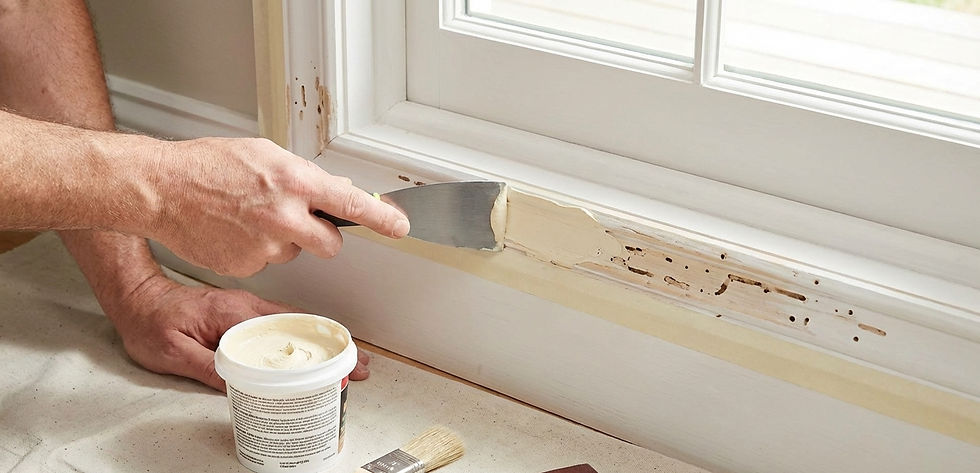
Window frames provide another hidden entry point.
Small cracks around windows allow termites access to untreated wood. Since these areas often experience condensation and moisture buildup, they become even more attractive to certain termite species.
Our guide on window sills, mud nests, and furniture termite control explains why homeowners should regularly inspect these overlooked areas.
4. Attics and Roof Framing

Drywood termites don't need soil contact to survive.
Instead, they establish colonies directly inside wooden structures—including attic beams, rafters, and roof framing.
Since attics are rarely visited, infestations often progress unnoticed until droppings, damaged wood, or swarming termites become visible.
Annual inspections can help detect these hidden colonies before repairs become extensive. Read more about why annual termite inspections save homeowners
thousands.
5. Wooden Support Beams

Support beams are critical structural elements, yet termites often attack them from the inside out.
The outer surface may appear perfectly intact while internal damage continues to spread.
This hidden destruction weakens the home's structural integrity and may eventually lead to sagging floors or costly reconstruction.
If termite damage has already occurred, prompt repairs are essential. Learn more about termite damage repair services in Southern California.
6. Areas Around Plumbing Leaks
Termites thrive in damp environments.
Leaky pipes beneath sinks, behind walls, or near water heaters create ideal conditions for infestation.
Dampwood termites, in particular, are strongly attracted to moisture-damaged wood.
If your home has experienced plumbing leaks, understanding the relationship between termites and moisture is critical. Our article on dampwood termites and moisture damage provides valuable insights.
7. Behind Drywall
Termites don't always remain visible.
Many infestations develop inside wall cavities, hidden behind drywall and insulation.
Common signs include:
Bubbling paint
Tiny pinholes
Faint clicking sounds
Walls that feel soft when pressed
Because these symptoms often resemble ordinary water damage, professional inspections remain the most reliable way to confirm termite activity.
8. Furniture and Decorative Wood Pieces
Drywood termites can infest more than just the structure of your home.
Wooden furniture, antique pieces, cabinets, and decorative trim can also become feeding grounds.
Infested items sometimes introduce termites into previously unaffected homes.
Early identification and localized treatments are often the best defense against further spread.
9. Garages and Storage Areas
Garages frequently contain exposed framing, stored cardboard boxes, and neglected wooden items.
These conditions provide both food sources and shelter for termites.
Because garages are primarily used for storage, homeowners may not notice activity until significant damage has occurred.
Regular inspections of these spaces can help prevent infestations from expanding into living areas.
10. Exterior Wood Features
Termites commonly attack:
Decks
Fences
Pergolas
Wooden stairs
Planter boxes
These structures are constantly exposed to weather and often remain in close contact with soil.
Protecting exterior wood is an important part of any termite prevention strategy.
Professional termite extermination and prevention services provide comprehensive solutions designed to safeguard both indoor and outdoor structures.
Why Early Detection Matters
The biggest mistake homeowners make is assuming termites will leave obvious clues.
In reality, termites specialize in staying hidden.
By understanding where termites attack first, you can recognize risks early and schedule inspections before damage becomes severe.
A proactive approach often means the difference between minor treatment costs and major structural repairs.
Frequently Asked Questions
1. What are the first signs of a hidden termite infestation?
Some of the earliest warning signs include mud tubes along foundation walls, discarded wings near windows or doors, hollow-sounding wood, bubbling paint, and termite droppings that resemble tiny wood-colored pellets.
2. Which areas of the home do termites usually attack first?
Termites often begin in hidden areas such as crawl spaces, foundation walls, support beams, attics, wall voids, and locations with excess moisture. These spaces provide protection and easy access to wood.
3. Can termites cause damage before I notice them?
Yes. Termites are known as "silent destroyers" because they work behind walls and inside wooden structures. Significant damage can occur before visible signs appear.
4. How often should I have my home inspected for termites?
Most professionals recommend scheduling a termite inspection at least once a year. Annual inspections help identify early activity and prevent costly structural damage.
5. Are termite infestations covered by homeowners insurance?
In most cases, standard homeowners insurance policies do not cover termite damage because it is considered preventable through regular maintenance and inspections.
6. Do termites only attack old homes?
No. Termites can infest homes of any age. New construction, remodeled properties, and recently purchased homes are all vulnerable if conditions are favorable for termite activity.
7. Can plumbing leaks attract termites?
Absolutely. Moisture from leaking pipes, poor drainage, or high humidity creates an ideal environment for certain termite species, increasing the risk of infestation.
8. Is it possible to have termites without seeing mud tubes?
Yes. While subterranean termites commonly build mud tubes, drywood termites live entirely within the wood they consume and may leave no obvious external signs until the infestation has progressed.
9. What should I do if I suspect termite activity in my home?
Avoid disturbing the affected area and contact a licensed termite specialist as soon as possible. A professional inspection can confirm the presence of termites and determine the most effective treatment plan.
10. How can homeowners reduce the risk of termite infestations?
Homeowners can lower their risk by repairing moisture issues, storing firewood away from the home, reducing wood-to-soil contact, sealing entry points, and scheduling regular termite inspections.
Final Thoughts
Termites don't announce their arrival.
They quietly invade crawl spaces, attics, support beams, window frames, and other hidden areas where they can feed undisturbed.
If you suspect termite activity—or simply want peace of mind—don't wait until visible damage appears.
At Attack Pest Management, we specialize exclusively in termite inspections, treatments, prevention, and damage repair throughout Southern California.
Protect your home before termites turn hidden damage into an expensive problem.
Visit https://www.attack-pestcontrol.com/ or call 626-915-1111 to schedule your professional termite inspection today.


Comments