.png)
The Financial Nightmare of Untreated Termite Infestation Cost
Most homeowners think of a termite problem as something to deal with eventually — a pest issue that can wait while more pressing home repairs take priority. That instinct is one of the most expensive mistakes a homeowner can make. The reality of an untreated termite infestation isn't just a bug problem. It's a slow-moving financial catastrophe that grows more destructive and more costly every single month it goes unaddressed.
Termites cause more than $5 billion in property damage across the United States every year — a figure that surpasses the combined annual damage from fires, floods, and windstorms. Unlike those events, termite damage is almost never covered by homeowners insurance, which means every dollar of repair comes directly out of your pocket. And unlike a burst pipe or a fire, termite damage builds quietly, invisibly, and relentlessly — until the day you can no longer ignore it.
At Attack Pest Management, we've spent over 40 years helping Los Angeles County homeowners understand what untreated infestations truly cost — not just in repair bills, but in home value, real estate transactions, insurance complications, and quality of life. This post lays out the full financial picture so you can make an informed decision before the damage gets worse.
The Cost of Termites — By the Numbers
$5 Billion Annual U.S. termite damage — more than fires, floods & storms combined | $3,000–$8,000 Average out-of-pocket repair cost per homeowner | $30,000+ Cost of severe structural repairs after years of infestation | 0% Of standard homeowners insurance policies cover termite damage |
Why the Untreated Termite Infestation Cost Falls Entirely on You
Before we break down the specific costs, there is one fact every homeowner needs to understand: standard homeowners insurance does not cover termite damage. This is not a loophole or a fine-print technicality. It is a deliberate, industry-wide exclusion that applies to virtually every policy sold in the United States.
Insurance companies classify termite infestations as a preventable maintenance issue rather than a sudden or accidental event. The reasoning is that homeowners have the ability to prevent termite infestations through regular inspections and treatment — and that choosing not to do so is a maintenance failure, not a covered peril. The Insurance Information Institute confirms this exclusion is standard across all major carriers.
What This Means for Your Finances
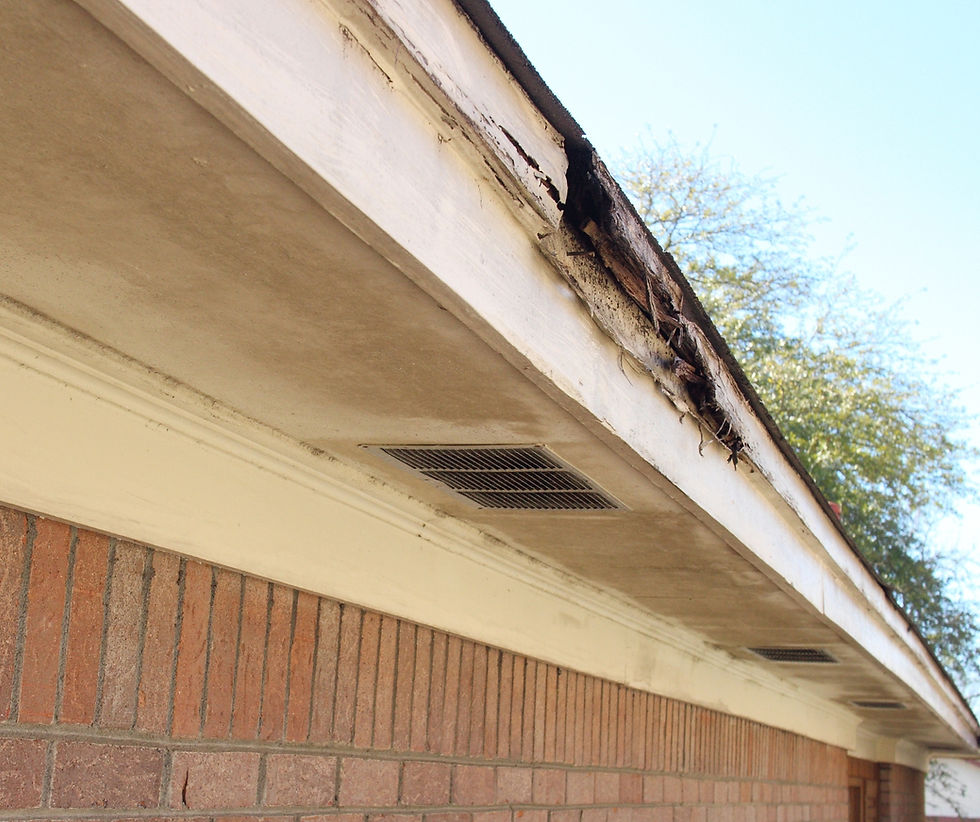
When termites damage your subfloor, your wall framing, your roof rafters, or your main support beams, the entire cost of repair falls on you. There is no claim to file, no deductible to meet, no insurer to call. You pay — in full — out of pocket. This is why the financial consequences of an untreated infestation compound so dramatically over time: every month of inactivity adds to a debt that you will eventually have to pay alone.
The Real Cost of Structural Termite Damage — A Full Breakdown

The repair costs associated with termite damage vary enormously depending on how long the infestation was active, which structural components were affected, and the extent of the damage. The following table reflects realistic repair costs for Los Angeles County homeowners based on typical infestation scenarios.
Type of Damage | Area Affected | Estimated Cost | Timeline to Develop |
Subfloor replacement | Crawl space, joists | $1,500–$5,000 | 1–3 years |
Floor joist sistering | Under floors | $2,000–$6,000 | 2–4 years |
Wall stud replacement | Interior/exterior walls | $3,000–$8,000 | 2–5 years |
Roof rafter repair | Attic framing | $4,000–$10,000 | 3–6 years |
Main beam replacement | Foundation support | $5,000–$15,000 | 4–8 years |
Full structural remediation | Whole home | $20,000–$50,000+ | 5+ years untreated |
Why Costs Escalate So Dramatically Over Time
The numbers above reveal a pattern: the longer an infestation goes untreated, the more structural systems become involved, and the more expensive and complex the repair becomes. This isn't simply because more wood is damaged — it's because termites don't stop at one location. As a colony grows and matures, foraging workers spread outward in multiple directions simultaneously, attacking joists, studs, rafters, and beams across the entire structure.
A colony that begins in the crawl space sill plate will, within two to three years, have expanded into floor joists, wall framing adjacent to the foundation, and potentially upward into the wall cavities above. By year five, the same colony — now potentially numbering in the hundreds of thousands — may have foraging trails throughout the entire structural frame of the home. This is not an exaggeration. It is the documented growth pattern of subterranean termite colonies, as described by the UC Integrated Pest Management Program.
Treatment Cost vs. Repair Cost — The Numbers That Should Convince You

One of the most powerful arguments for early termite treatment is the stark contrast between what treatment costs and what ignoring the problem costs. The following comparison illustrates this across different infestation scenarios.
Scenario | Treatment Cost | Structural Repair Cost |
Annual inspection only | $0–$150/year | $0 (prevention) |
Early-stage treatment | $300–$800 | $300–$1,500 |
Moderate infestation | $800–$2,500 | $2,000–$8,000 |
Severe / whole-home fumigation | $1,500–$4,000 | $10,000–$50,000+ |
No treatment (years ignored) | Colony continues | $30,000–$100,000+ |
The math is unambiguous. A professional termite inspection and annual prevention plan costs a fraction of what even a moderate repair bill runs. And in the worst-case scenario — a homeowner who ignores termites for five or more years — the repair costs can exceed the cost of a complete home renovation. The National Pest Management Association estimates that U.S. homeowners spend more than $2 billion annually on termite treatments — but that number pales against the $5 billion spent on repairs that could have been prevented.
How Untreated Termites Destroy Your Home's Market Value

The financial damage from an untreated termite infestation extends well beyond the cost of physical repairs. It reaches directly into your home's market value — and the consequences can be severe, particularly in Los Angeles County's competitive real estate market.
Termite Disclosure Requirements in California
California has some of the strictest termite disclosure laws in the country. Under California Civil Code Section 1099, sellers must disclose any known termite activity or damage when selling a home. If you have an active or previously untreated infestation that you are aware of, you are legally obligated to disclose it to any prospective buyer. Failure to do so can result in legal liability after the sale.
What Termite Damage Does to Your Listing Price
When a buyer's termite inspection — required by most lenders in California — reveals active infestation or untreated damage, one of three things typically happens:
• The buyer requests a price reduction to cover the estimated cost of treatment and repairs — often two to three times the actual repair cost to account for the buyer's uncertainty and risk
• The buyer requests that the seller complete all treatment and repairs before close of escrow — at the seller's expense and on the buyer's timeline
• The buyer walks away entirely — especially if the damage is severe or if the lender refuses to fund the loan on a structurally compromised property
In all three scenarios, the seller loses. Price reductions on termite-damaged homes in Los Angeles County routinely run $10,000 to $40,000 below comparable undamaged properties, depending on the extent of damage and the competitiveness of the local market.
Lender Requirements and Failed Real Estate Transactions
Most conventional lenders — including those offering FHA, VA, and conforming loans — will not fund a mortgage on a property with active termite infestation or significant structural damage. If a professional termite inspection identifies either condition, the lender will typically require clearance from a licensed pest control operator before proceeding. This can delay closings by weeks, add thousands in unanticipated costs, or cause the transaction to collapse entirely.
The Hidden Cost of Deferred Maintenance Reputation
Beyond the transaction itself, a home with a history of untreated termite damage — even after repair — may carry a stigma in the market. Buyers and their agents know that termite problems in one area of a home often indicate deferred maintenance more broadly. This perception can result in lower offers, longer time on market, and a lasting reduction in how your property is valued relative to comparable homes in your neighborhood.
The Hidden Costs Most Homeowners Never Think About

The direct repair costs and home value impacts are the most obvious financial consequences of an untreated termite infestation. But there are additional costs that homeowners rarely anticipate — until they're facing them.
Temporary Relocation During Fumigation
When a whole-home fumigation is required — typically for widespread drywood termite infestations — homeowners must vacate the property for a minimum of 48 to 72 hours, and often longer. In Los Angeles County, where hotel and short-term rental costs are among the highest in the country, this can easily add $500 to $2,000 or more to the total cost of treatment. Homeowners with pets, plants requiring special care, or medical equipment also face additional logistical costs and complications.
Damage to Personal Property and Contents
While termites primarily target structural wood, a severe infestation can also damage wooden furniture, cabinetry, wood flooring, door frames, window frames, and decorative woodwork throughout the home. These items are typically not covered by homeowners insurance and must be repaired or replaced out of pocket. In older Los Angeles homes with original hardwood floors, custom millwork, or period-appropriate woodwork, replacement costs can be substantial.
Increased Utility Costs from Structural Air Gaps
As termites hollow out wall studs and framing, they create voids and pathways that compromise the thermal envelope of your home. Air can move freely through termite galleries in wall cavities, undermining insulation and causing your heating and cooling systems to work harder than they should. Homeowners with untreated infestations in wall framing frequently report gradual increases in energy bills — a cost that compounds quietly over the years the infestation is active.
Professional Fees: Contractors, Inspectors, and Attorneys
Addressing a major termite infestation typically involves more than just a pest control company. Structural engineers may be needed to assess load-bearing capacity. General contractors must coordinate repair work. Building permits may be required for structural repairs in Los Angeles County. And in cases where disclosure failures lead to legal disputes, attorney fees can add tens of thousands of dollars to the total cost of an infestation that was allowed to grow unchecked.
The Emotional and Quality-of-Life Cost
Financial costs are quantifiable. The stress, disruption, and anxiety that accompany a major termite infestation — the contractors in your home for weeks, the uncertainty about what else might be damaged, the sleepless nights before a disclosure conversation with a prospective buyer — are real but harder to measure. They are, however, universally described by homeowners who have faced severe infestations as among the most stressful experiences of their lives as property owners.
What a Proactive Investment in Termite Prevention Actually Costs

The contrast between the cost of proactive termite prevention and the cost of reactive repair is stark enough that it deserves its own dedicated section. Here is what investing in professional termite protection actually looks like for a typical Los Angeles County homeowner.
Annual Termite Inspection
A professional termite inspection from a licensed pest control operator typically costs between $0 and $150 in the Los Angeles area, depending on the company and property size. This inspection covers crawl spaces, attic framing, foundation perimeters, wall voids, and all accessible structural wood. When problems are identified early, treatment at this stage is always the least expensive option available.
Localized Spot Treatment
For an early-stage drywood termite infestation caught during an annual inspection, targeted spot treatment typically costs $300 to $800. This involves applying licensed termiticide directly to the affected wood or gallery system — a fast, minimally disruptive procedure that eliminates the colony before it can spread. Our termite treatment page covers all available treatment options in detail.
Preventive Barrier and Bait Systems
For subterranean termite prevention, a soil barrier treatment or bait station system installed around the perimeter of your home typically costs $500 to $1,500 depending on the size of the property. These systems create a chemical barrier that kills termites before they reach the structure and provides ongoing monitoring. Our termite control plans include annual monitoring and re-treatment as needed.
The Simple Math of Prevention
Consider this: a homeowner who invests $100 per year in an annual inspection for ten years spends $1,000 total. A homeowner who skips inspections for the same ten years and discovers a well-established infestation faces a repair bill that, in moderate cases, starts at $5,000 and commonly reaches $15,000 to $30,000 or more. The return on investment for proactive termite prevention is not close — it is overwhelming.
Los Angeles County Homes at Highest Financial Risk
While every home in Southern California faces termite pressure, certain properties carry a significantly higher financial risk from untreated infestations. Understanding whether your home falls into a high-risk category is the first step toward protecting your investment.
Older Homes Built Before 1980
Pre-1980 construction in Los Angeles County predates modern pest-resistant building practices and pressure-treated lumber standards. Many of these homes were built with pier-and-beam foundations over crawl spaces — providing direct soil-to-wood pathways for subterranean termites. Homes in this category in communities like Pasadena, Glendale, Burbank, and Arcadia are among the most financially vulnerable to termite damage in the region.
Homes with Crawl Spaces
As we discussed in our post on sagging floors and termite damage, homes with crawl spaces give subterranean termites direct, unobserved access to the entire floor framing system. In many cases, crawl spaces go uninspected for years or even decades — allowing infestations to reach advanced stages before anyone is aware of the problem. The financial consequences of discovering an untreated crawl space infestation during a real estate transaction can be catastrophic for sellers.
Homes Near Trees, Landscaping, or Irrigation Systems
Mature trees adjacent to a home's foundation, dense landscaping that retains moisture, and irrigation systems that saturate soil near the structure all create conditions that attract subterranean termites. Wood mulch used in landscaping beds directly against the foundation is a particularly common entry point that homeowners in residential Los Angeles neighborhoods often overlook.
Investment Properties and Multi-Unit Buildings
For property investors and landlords, untreated termite infestations carry additional financial risks: tenant habitability complaints, potential rent abatement obligations, code compliance issues, and liability exposure if structural damage creates safety hazards. Investment properties in West Covina, Covina, Baldwin Park, and Monrovia should be on annual inspection schedules without exception.
How to Protect Yourself Financially Starting Today
If you haven't had a professional termite inspection recently — or ever — the best financial decision you can make as a Los Angeles County homeowner is to schedule one now. Here's how to approach termite protection as a financial strategy rather than just a pest control measure.
Schedule an Annual Inspection — Treat It Like Insurance
An annual termite inspection is the single most cost-effective termite defense available. It costs a fraction of what even early-stage repairs run, and it gives you the information you need to act before damage escalates. Schedule it at the same time each year — make it a part of your home maintenance calendar alongside gutter cleaning and HVAC service.
Document Every Inspection and Treatment
Keep written records of every termite inspection, every treatment performed, and every repair completed. This documentation has significant financial value when you sell your home — it demonstrates proactive maintenance, removes uncertainty for buyers and their lenders, and can meaningfully support your asking price. A well-documented termite history is an asset, not a liability.
Address Moisture Issues Immediately
Moisture is the single greatest environmental factor that accelerates termite damage. Fix leaking pipes, repair gutters, ensure proper drainage away from the foundation, maintain crawl space vapor barriers, and keep irrigation systems calibrated away from the home's perimeter. Addressing moisture issues proactively removes the conditions that make your home most attractive to termite colonies.
Enroll in a Termite Prevention Plan
Our termite control plans provide year-round monitoring, treatment where needed, and the peace of mind that comes from knowing your home is actively protected. For Los Angeles County homeowners, a prevention plan is not an expense — it is a financial hedge against a risk that, in Southern California's climate, is essentially universal.
What to Do If You Already Have an Active Infestation
If you suspect or know you have an active termite infestation, the financially responsible course of action is clear: act immediately, in the right sequence, with licensed professionals.
• Step 1: Schedule a professional termite inspection to establish the species, extent, and location of the infestation
• Step 2: Complete all recommended termite treatment before beginning any structural repair work
• Step 3: Obtain a written clearance letter from your pest control operator confirming elimination of the active infestation
• Step 4: Coordinate termite damage repair with qualified structural contractors — repair only after treatment is complete and verified
• Step 5: Enroll in a prevention plan and schedule annual inspections going forward to prevent recurrence
We offer same-day and emergency inspections throughout Los Angeles County. Call 626-915-1111 — the sooner you act, the less this costs. |
Related Blog Posts:
Frequently Asked Questions
Q: How much does untreated termite damage cost to repair in Los Angeles?
A: The cost of repairing untreated termite damage in Los Angeles County depends heavily on how long the infestation was active and which structural components were affected. Early-stage subfloor or joist damage typically costs $1,500 to $5,000 to repair. Moderate infestations affecting multiple structural systems run $5,000 to $15,000. Severe, long-term infestations requiring whole-structure remediation can exceed $30,000 to $50,000 or more — all paid entirely out of pocket, since homeowners insurance does not cover termite damage.
Q: Does homeowners insurance cover termite damage?
A: No. Standard homeowners insurance policies explicitly exclude termite damage in virtually every case. Insurers classify termite infestations as preventable maintenance issues, not sudden or accidental events. This means the entire cost of treatment, structural repair, and any related work falls on the homeowner. This is one of the strongest financial arguments for proactive annual inspections and preventive treatment plans.
Q: How do termites affect home resale value in Los Angeles?
A: Termite damage — whether active or previously untreated — can significantly reduce your home's market value. California law requires sellers to disclose known termite activity or damage. When a buyer's inspection reveals termite issues, buyers commonly request price reductions of $10,000 to $40,000 or more, demand that all treatment and repairs be completed before closing, or walk away from the transaction entirely. Lenders may also refuse to fund mortgages on properties with active infestations or significant structural damage.
Q: How fast do termite repair costs grow over time?
A: Termite repair costs grow exponentially the longer an infestation is left untreated, because termite colonies expand continuously and attack new structural members as they grow. An early-stage problem caught in year one might cost $500 to fix. The same colony left untreated for three years may cause $5,000 to $10,000 in damage. Left for five or more years, the same infestation can produce repair bills exceeding $30,000 — all while the treatment cost that could have stopped it early remained in the hundreds of dollars.
Q: What are the hidden costs of a termite infestation beyond structural repairs?
A: Beyond structural repair costs, untreated termite infestations can result in: temporary relocation costs during fumigation ($500 to $2,000+), damage to wooden furniture and cabinetry, increased energy bills from compromised wall insulation, professional fees for structural engineers, building permits for repair work, legal fees if disclosure obligations are not met during a home sale, and a reduction in market value that persists even after repairs are completed.
Q: How much does a termite inspection cost in Los Angeles?
A: Professional termite inspections in Los Angeles County typically range from free to $150, depending on the company and the size of the property. At Attack Pest Management, we encourage homeowners to call us at 626-915-1111 to discuss their situation. The cost of an inspection is negligible compared to the financial consequences of an undetected infestation. Annual inspections are the most cost-effective termite defense available.
Q: Can I negotiate the cost of termite repairs with a buyer if I'm selling my home?
A: Yes, but the negotiation typically favors the buyer. When termite damage is discovered during a real estate transaction, buyers have significant leverage — particularly in California, where lenders may refuse to fund loans on properties with active infestations. Most sellers end up either completing all repairs at their own expense before closing or accepting a price reduction that exceeds the actual repair cost. The best financial outcome for sellers is always to identify and address termite issues before listing the property.
Q: What is the most cost-effective way to protect my home from termite damage?
A: The most cost-effective protection is an annual professional termite inspection combined with a preventive treatment plan tailored to your home's specific risk factors. In Los Angeles County, where both drywood and subterranean termites are active year-round, this combination provides the earliest possible detection of new activity and eliminates infestations before structural damage begins. Attack Pest Management offers inspection and prevention plans throughout Los Angeles County — call 626-915-1111 to get started.
References & Reputable Resources
Stop the Financial Damage Before It Starts
An untreated termite infestation is not just a pest problem — it is a financial crisis building silently inside your home. The sooner you act, the less it costs. Attack Pest Management has protected Los Angeles County homes and budgets for over 40 years.
CALL NOW: 626-915-1111
Schedule an Inspection: www.attack-pestcontrol.com
Serving Arcadia, Pasadena, Glendale, Burbank, Covina, West Covina, Monrovia & all of Los Angeles County |


Comments