.png)
How Termites Can Turn Minor Repairs Into Major Renovation Costs
- Aug 5
- 5 min read
Most homeowners don't panic over a cracked baseboard, a sticking window, or a small section of peeling paint. They're common issues in older homes, and it's easy to assume they're simply part of normal wear and tear.
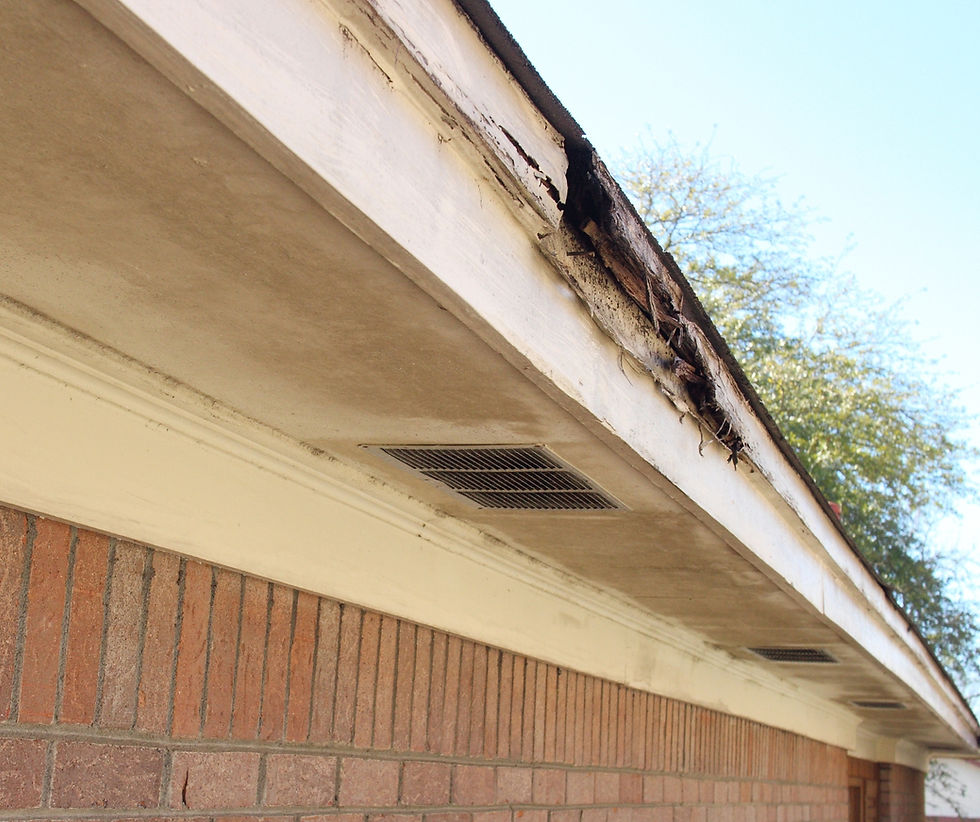
But sometimes, those seemingly harmless repairs are warning signs of something much bigger happening behind your walls.
Termites are often called "silent destroyers" for a reason. They work around the clock, eating away at the wooden structure of your home without making much noise—or leaving obvious evidence. By the time visible damage appears, the infestation may have already spread through framing, flooring, support beams, or even the roof structure.
According to the U.S. Environmental Protection Agency (EPA), termites cause billions of dollars in property damage every year, and unlike damage from storms or fires, termite damage is generally not covered by homeowners insurance.
That means a repair that might have cost a few hundred dollars can eventually turn into a renovation costing thousands.
How Termites Can Turn Minor Repairs Into Major Renovation Costs

Many homeowners don't realize how termites can turn minor repairs into major renovation costs until it's too late. What starts as a small issue—such as a cracked baseboard, soft wood, or a sticking door—can quickly become a major structural repair when termites continue feeding unnoticed.
Understanding how termites can turn minor repairs into major renovation costs is the first step toward protecting your home and avoiding thousands of dollars in unexpected repairs.
Many homeowners first notice problems like:
Paint bubbling for no apparent reason
Floors that suddenly feel soft
Doors that no longer close properly
Small cracks around windows
Loose floor tiles
Sagging ceilings
Unfortunately, by the time these symptoms appear, termites may have been active for months—or even years.
Small Repairs That Could Be Hiding a Bigger Problem

Replacing a Baseboard
Replacing damaged trim might solve the cosmetic problem, but if termites caused the damage, they'll continue feeding behind the wall.
Repairing Drywall
Drywall damage often leads homeowners to patch and repaint. However, termites frequently tunnel through wall cavities, meaning fresh paint won't solve the underlying issue.
Fixing a Sticky Door
Wood that has been weakened by termites may warp over time, causing doors and windows to stick.
Repairing Floor Damage
If laminate, hardwood, or tile flooring starts lifting or feels uneven, the issue could be
damaged subflooring underneath.
Replacing flooring without addressing termites means the problem will simply return.
How Minor Damage Turns Into Major Renovations

Imagine termites enter your home through a small crack in the foundation.
At first, they feed on one section of framing.
Months later, they spread into nearby wall studs.
Eventually they reach:
Floor joists
Ceiling beams
Roof framing
Wooden cabinets
Staircases
Window frames
Now instead of replacing one damaged board, contractors may need to remove drywall, replace structural framing, install new insulation, repaint entire rooms, and repair flooring.
That's why termite damage can escalate so quickly in both scope and cost.
The Hidden Costs Most Homeowners Don't Consider

When people think about termite damage, they often picture replacing a few pieces of wood.
The reality is far more complicated.
A severe infestation can require:
Demolition of interior walls
Structural engineering inspections
Electrical repairs
Plumbing adjustments
Cabinet replacement
Flooring installation
Drywall replacement
Painting
Temporary relocation during renovations
These secondary expenses often exceed the cost of termite treatment itself.
Areas Where Termites Commonly Begin

Some parts of a home naturally attract termites because they provide moisture, shelter, or direct access to wood.
Crawl Spaces
These dark, humid areas are ideal environments for subterranean termites.
Bathrooms
Small plumbing leaks can create the moisture termites need to survive.
Kitchens
Sink cabinets and plumbing penetrations are common entry points.
Garages
Wood framing often goes unnoticed for years.
Wooden Decks and Fences
Wood in direct contact with soil is especially vulnerable.
Signs You Should Never Ignore
Recognizing termite activity early can make the difference between a simple treatment and a costly renovation.
Watch for:
Hollow-sounding wood
Mud tubes on foundations
Flying termites indoors
Piles of discarded wings
Tiny holes in drywall
Bubbling paint
Sagging floors
Tight-fitting doors and windows
Frass (drywood termite droppings)
If you notice one or more of these signs, it's worth scheduling a professional inspection as soon as possible.
Why Annual Termite Inspections Are Worth It
Most homeowners schedule HVAC maintenance, roof inspections, or plumbing repairs without hesitation.
Yet termites can quietly cause significant structural damage before anyone notices a problem.
A professional termite inspection helps identify:
Active infestations
Previous termite damage
Moisture issues
Conditions that attract termites
Areas at higher risk of future infestations
Finding termites early is almost always less expensive than repairing structural damage later.
Practical Ways to Reduce Your Risk
While no home is completely termite-proof, these simple steps can help reduce your chances of an infestation:
Fix leaking faucets and pipes promptly.
Keep gutters clean and direct water away from your foundation.
Store firewood at least 20 feet from your home.
Avoid wood-to-soil contact whenever possible.
Seal foundation cracks and utility openings.
Trim shrubs and tree branches away from exterior walls.
Schedule a professional termite inspection every year.
For additional homeowner guidance, the EPA offers practical termite prevention tips.
The University of California Integrated Pest Management (UC IPM) also provides detailed information on identifying different termite species and treatment
options.
You can also learn more about termite prevention from the National Pest Management Association (NPMA).
Related Attack Pest Control Services
If you suspect termite activity, our team is here to help.
Our services include:
Termite Inspections
Termite Treatments
Preventative Termite Protection
Residential Pest Control
Commercial Pest Control
You may also be interested in:
Frequently Asked Questions
Can termites really cause structural damage?
Yes. If left untreated, termites can weaken framing, flooring, roof supports, and other structural components of your home.
Is termite damage covered by homeowners insurance?
In most cases, no. Because termite damage is considered preventable through routine maintenance, standard homeowners insurance policies typically do not cover repairs.
How often should I schedule a termite inspection?
Most professionals recommend a termite inspection once a year, especially in regions where termites are common.
What attracts termites to a home?
Moisture, wood-to-soil contact, leaking pipes, mulch, firewood, and untreated wood are some of the biggest attractants.
Can I treat termites myself?
DIY products may eliminate a few visible termites but rarely destroy the entire colony. Professional treatment is usually the most effective long-term solution.
What do termite mud tubes look like?
They are narrow, pencil-sized tunnels made of soil and saliva that termites build to travel
safely between the ground and your home.
How quickly can termites damage a home?
Damage depends on the size of the colony and the termite species, but infestations can continue unnoticed for months or years before homeowners discover them.
What should I do if I think I have termites?
Schedule a professional inspection as soon as possible. Early treatment can prevent more extensive—and expensive—repairs.
Call to Action
Don't Let a Small Repair Become a Major Renovation
If you've noticed soft wood, mud tubes, sticking doors, or any other signs of termite activity, don't wait for the damage to spread. A professional inspection today could save you thousands in future renovation costs.
At Attack Pest Control, we provide thorough termite inspections, proven treatment solutions, and long-term protection plans designed to keep your home safe.
Schedule your termite inspection today.
🌐 Website: https://www.attack-pestcontrol.com/
📞 Call: 626-915-1111


Comments