.png)
Why Cracked Paint and Bubbling Walls Could Point to Termites
A crack in the paint or a soft, bubbling patch on a wall is easy to blame on humidity, age, or a bad paint job. Sometimes that's exactly what it is. But cracked paint and bubbling walls from termites are a real and surprisingly common cause, especially in homes where the damage is happening behind drywall, out of sight. Here's how to tell the difference before you reach for a paint roller.
Cracked Paint and Bubbling Walls Termites Cause: Why They're an Early Warning Sign

Termites do their damage from the inside out, which means visible signs on a wall's surface often show up only after activity has been going on for a while. Cracked paint and bubbling walls termites cause tend to be one of the more visible early clues homeowners can catch before damage spreads further.
Why It's Easy to Dismiss
Because cracked paint and minor wall texture changes happen for so many innocent reasons — humidity, settling, an old paint job — it's genuinely reasonable that most people don't think "termites" first.
How Termites Affect Drywall and Paint From the Inside
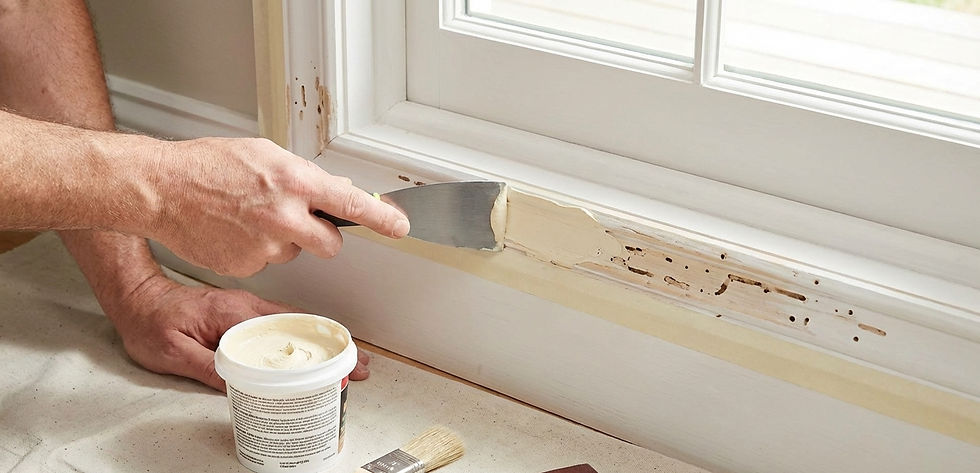
Termites don't eat drywall paper and paint the way they eat wood, but moisture from termite activity — along with the tunneling itself in nearby wood framing — can distort the wall surface enough to crack or bubble the paint above it.
The Role of Moisture
Termite tunnels and mud tubes introduce moisture into wall cavities, and that trapped moisture is often what causes paint to bubble or crack, similar to how a water leak would affect a wall.
Cracked Paint: What It Actually Means

Cracked paint on its own isn't a reliable sign of termites — it's common with age and temperature changes. But cracked paint paired with other signs, like nearby mud tubes or soft trim, is worth a closer look.
When to Take Cracked Paint Seriously
If cracking appears suddenly, is localized to one section of a wall, or shows up alongside other odd changes nearby, it's worth ruling out termites rather than assuming it's ordinary wear.
Bubbling or Blistering Walls: A Closer Look

Bubbling paint is a stronger signal than cracking alone, since it usually indicates moisture trapped behind the surface — something termite tunneling can cause even without an obvious leak.
What Bubbling Feels Like When You Press It
A section of wall affected by termite-related moisture often feels slightly soft or spongy when pressed, unlike a simple paint defect, which typically feels solid underneath.
Other Wall Signs That Often Get Mistaken for Something Else

Faint Lines or Discoloration
Termite mud tubes sometimes show faintly through drywall as subtle discoloration or thin raised lines, which can be mistaken for a drywall seam or old repair.
A Hollow Sound When Tapped
Tapping near cracked or bubbling paint and hearing a hollow, papery sound is a stronger indicator that something is happening behind the surface, not just on top of it.
How to Tell Cosmetic Damage From Termite Damage
The honest answer is that a visual check alone often isn't enough to say for certain. Our post on whether termites are hiding in your walls covers the fuller set of signs worth checking beyond paint alone, including sounds, smells, and nearby mud tube activity.
Why a Professional Inspection Settles It
A termite inspection can use moisture meters and other tools to check what's happening inside the wall itself, rather than guessing from the surface alone.
What to Do If You Notice These Signs
Don't Repaint Over It Yet
Repainting cracked or bubbling walls without checking the cause simply hides the problem temporarily — the underlying moisture or termite activity keeps going regardless of what's on the surface.
Schedule an Inspection Before Repairs
Get a professional opinion before doing cosmetic repairs, since repainting first can make it harder for an inspector to later assess how far activity has spread.
Why DIY Patch Jobs Don't Solve the Underlying Problem
Patching a crack or repainting a bubbled section addresses the symptom, not the cause. If termites are the actual source, the activity continues behind the new paint, and the same section — or a nearby one — often reappears with the same signs later. According to the U.S. Environmental Protection Agency, termite damage typically isn't covered by standard homeowner's insurance, which makes catching it early, rather than papering over it, the more cost-effective path.
If Termites Are Confirmed
Depending on the species found — subterranean or drywood, per research from the USDA Forest Products Laboratory — the right termite treatment approach can differ. If activity has already caused structural or cosmetic damage beyond the wall surface, termite damage repair addresses what's already been affected. Our post on the long-term risks of ignoring early termite activity covers what tends to happen when signs like these go unaddressed.
Attack Pest Management has specialized exclusively in termite inspection, treatment, and repair for over 40 years across Los Angeles County — every inspection is handled by a technician focused solely on termites.
Frequently Asked Questions
1. Is cracked paint always a sign of termites?
No. Cracked paint is common with age, temperature changes, and ordinary wear. It becomes more concerning when paired with other signs, like nearby mud tubes or hollow-sounding wood.
2. What does bubbling paint from termites actually look like?
It typically looks similar to water damage — raised, blistered, or slightly discolored paint — since termite activity often introduces moisture into the wall cavity behind it.
3. Can I tell termite damage from a water leak just by looking?
Not reliably. Both can cause similar bubbling or cracking, which is why a professional inspection is the more reliable way to determine the actual cause.
4. Should I repaint over cracked or bubbling walls?
It's best to hold off until the cause is identified. Repainting without addressing an underlying issue just delays discovering the real problem.
5. Does a hollow sound when tapping a wall confirm termites?
It's a strong indicator worth investigating further, but not a guarantee on its own — a professional inspection can confirm what's actually happening behind the wall.
6. How quickly should I get an inspection if I notice these signs?
Sooner is better. Termite damage tends to worsen the longer it's left unaddressed, so scheduling an inspection promptly helps limit how far activity spreads.
7. Are these signs more common in certain rooms?
Wall damage related to termites often shows up near bathrooms, kitchens, or exterior walls, where moisture is more likely to be present in general.
8. Will insurance cover repairs if termites caused the wall damage?
Generally no. Termite damage is typically excluded from standard homeowner's insurance policies, which is part of why early detection matters.
Don't Paint Over a Termite Problem
Cracked paint and bubbling walls could be nothing — or they could be the first visible sign of activity that's been building for a while. Attack Pest Management has protected Los Angeles County properties from termite damage for over 40 years.
Schedule your termite inspection today: 📞 626-915-1111 🌐 www.attack-pestcontrol.com/contact


Comments