.png)
Termite Damage Beneath Floors: What’s Happening Under Your Home Without You Knowing
- May 5
- 4 min read
When people think of termite damage, they usually imagine chewed-up wood or visible holes in walls. But the truth is, some of the most serious damage happens where you never look—beneath your floors.
Out of sight doesn’t mean harmless. In fact, termites thrive in hidden areas like subfloors, crawl spaces, and foundations. By the time you notice something is wrong, the damage may already be extensive and expensive to repair.
In this guide, we’ll break down what termites are really doing under your floors, how to spot early warning signs, and what you can do to protect your home before it’s too late.
How Termite Damage Beneath Floors Starts and Spreads

Termite damage beneath floors often goes unnoticed until the structure becomes weak or unstable.
Subterranean termites, the most common type, live in soil and build mud tubes to access food sources like wood. Your home’s subfloor, support beams, and joists become an easy target.
According to the U.S. Environmental Protection Agency (EPA), termites cause billions of dollars in property damage each year, and most of that damage goes unnoticed until it becomes severe. Source
What Happens Beneath Your Floors During a Termite Infestation

Termites don’t just “eat wood.” They slowly destroy the structure that supports your home. Here’s what they’re doing beneath your floors:
1. Feeding on Subflooring Materials
Your subfloor is the layer beneath your visible flooring (tile, wood, or laminate). It provides support and stability.
Termites consume cellulose found in wood-based materials, including:
Plywood
Hardwood subfloors
Engineered wood
Support beams
They hollow out these materials from the inside, leaving only a thin outer layer intact.
2. Weakening Structural Supports
Beneath your floors are critical structural components like:
Floor joists
Beams
Support posts
Termites slowly eat through these supports, reducing their strength over time. This can lead to:
Sagging floors
Uneven surfaces
Increased risk of structural failure
According to the National Pest Management Association (NPMA), termite damage can compromise the structural safety of a home if left untreated. Source
3. Creating Hidden Tunnels and Mud Tubes
Termites build mud tubes to travel between their colony and food sources. These tubes are often found in:
Crawl spaces
Foundations
Under flooring
Along walls
Because these tunnels are hidden, homeowners rarely notice them unless they specifically inspect the area.
4. Spreading the Infestation
One of the biggest risks is how quickly termites spread.
A colony can contain hundreds of thousands to millions of termites, and they don’t stay in one place. Once they start beneath your floors, they can move to:
Walls
Ceilings
Furniture
Roof structures
Without intervention, the damage keeps expanding.
Warning Signs of Termites Beneath Your Floors

Even though termites stay hidden, they leave subtle clues. Watch out for these signs:
Soft or Spongy Floors
If your floor feels soft when you walk on it, it could mean the subfloor has been weakened.
Uneven or Sagging Areas
Structural damage beneath the surface can cause dips or uneven flooring.
Hollow Sounds
Tap your floor—if it sounds hollow, termites may have eaten the material inside.
Warped Flooring
Moisture from termite activity can cause wood or laminate floors to warp or buckle.
Tight-Fitting Doors or Windows
As structural integrity changes, your home may shift slightly, affecting door and window alignment.
Mud Tubes or Dirt Trails
If you have access to a crawl space, check for small dirt tubes along surfaces.
Why Termite Damage Often Goes Undetected

Termites are difficult to detect because:
They operate behind walls and under floors
They avoid light and open areas
Damage starts internally, not externally
Symptoms appear late
A study by Orkin highlights that most termite damage is discovered during renovations or inspections—not during everyday living. Source
This is why regular inspections are critical, even if your home looks fine.
The Cost of Ignoring Termite Damage
Ignoring termites can lead to serious financial consequences.
Repair costs can include:
Replacing damaged flooring
Reinforcing structural beams
Fixing foundations
Treating widespread infestations
According to HomeAdvisor, termite damage repairs can range from a few hundred to several thousand dollars depending on severity. Source
The longer you wait, the more expensive it becomes.
How to Prevent Termites Beneath Your Floors
Prevention is always more affordable than repair. Here are proven ways to protect your home:
1. Control Moisture
Termites are attracted to moisture. Fix leaks and ensure proper drainage around your home.
2. Seal Entry Points
Close cracks in your foundation and gaps around pipes or wiring.
3. Reduce Wood-to-Soil Contact
Avoid direct contact between wood structures and soil whenever possible.
4. Keep Crawl Spaces Clean and Dry
Ensure good ventilation and remove debris that can attract termites.
5. Schedule Regular Inspections
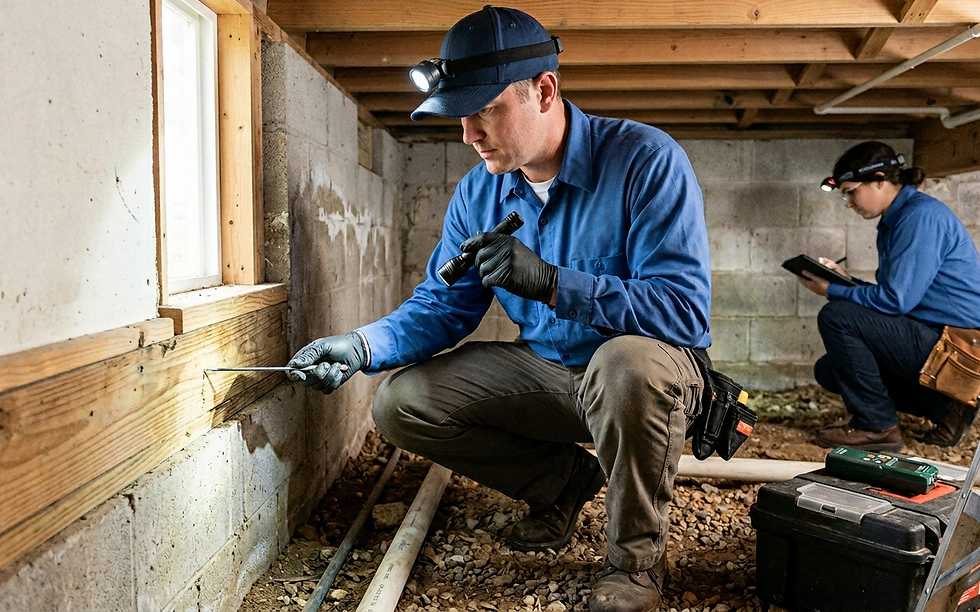
Professional inspections can detect termite activity before it becomes a major issue.
Why Professional Termite Inspection Matters

While DIY checks can help, they’re not enough.
Professionals have:
Tools to detect hidden infestations
Experience identifying early signs
Access to effective treatment methods
Preventive solutions to stop future infestations
Early detection can save you thousands in repairs and protect your home’s structural integrity.
FAQs About Termites Beneath Your Floors
How do I know if termites are under my floor?
Look for signs like soft spots, hollow sounds, or sagging areas. However, professional inspection is the most reliable way to confirm.
Can termites destroy a house from underneath?
Yes. Over time, termites can weaken structural supports, leading to serious safety risks if untreated.
How long does it take for termites to cause damage?
Damage can begin within months, but significant structural issues may take years to become noticeable.
Are termite infestations common in homes?
Yes. Termites are a common problem in many regions, especially in warm and humid environments.
Can I treat termites myself?
DIY treatments may reduce activity, but they rarely eliminate the colony completely. Professional treatment is recommended.
How often should I get a termite inspection?
At least once a year, or more frequently if your home is in a high-risk area.
Don’t Wait Until You Feel the Damage
The most dangerous part about termites is that they work silently.
Your floors might look perfectly fine today—but beneath them, damage could already be happening. Waiting until you notice visible signs often means the problem has already progressed.
The good news is that termite damage is preventable with early detection and the right treatment.
If you want peace of mind and real protection for your home, it’s best to act now.


Comments