.png)
Top 10 Misconceptions About Termites
- 3 hours ago
- 5 min read
Heard some myths about termites? You're not alone — a lot of what people believe about termites turns out to be wrong, and some of those misconceptions about termites can lead to real, costly mistakes. Here are the top 10 debunked, with what's actually true instead.
Jump to: Myth 1: Only Old Homes · Myth 2: You'd See Them · Myth 3: Concrete Homes Are Safe · Myth 4: Termites Eat Concrete · Myth 5: Cold Weather Stops Them · Myth 6: All Termites Are the Same · Myth 7: Sealed Wood Is Protected · Myth 8: General Pest Control Covers It · Myth 9: Treatment Means Gone for Good · Myth 10: DIY Works Just as Well · FAQs
Misconceptions About Termites: Myth 1 — Only Old Homes Are at Risk

The Myth: Termites only target older, run-down homes.
The Truth: Termites care about wood and moisture, not a home's age or condition. A brand-new build can attract termites just as easily as a decades-old property, especially if untreated wood comes into contact with soil during construction.
Myth 2: You'd See Termites If You Had an Infestation

The Myth: If termites were in the house, you'd notice them.
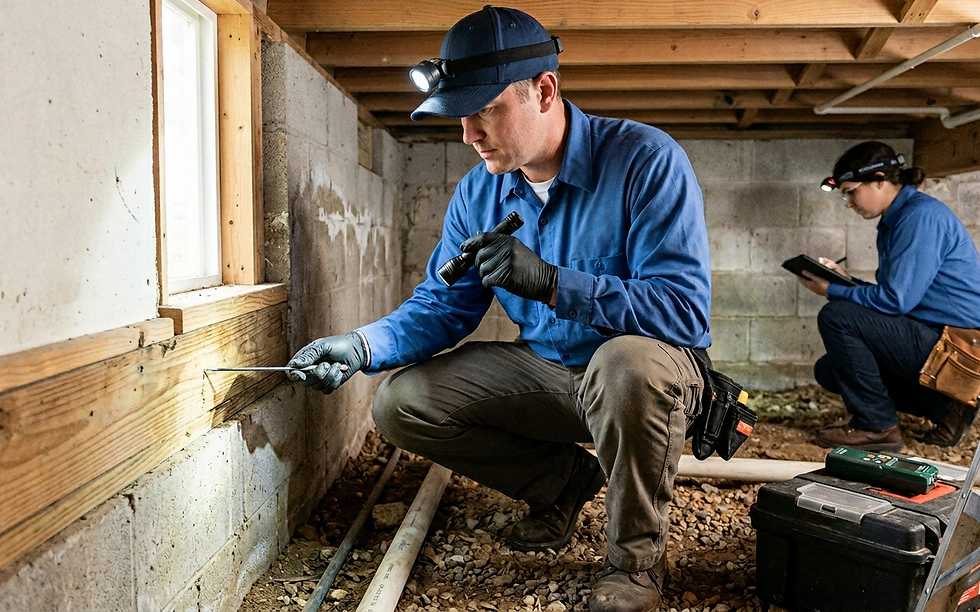
The Truth: Termites tunnel through wood from the inside and avoid light and open air, which means an infestation can be extensive before any visible sign appears. That's part of why routine termite inspection matters even when nothing looks obviously wrong.
Myth 3: Homes With Concrete Slabs or Brick Exteriors Aren't at Risk

The Myth: A home built on a concrete slab, or with brick or stucco exteriors, doesn't need to worry about termites.
The Truth: Concrete slabs, brick, and stucco are just the exterior shell — the framing, roof structure, trim, and interior wood elements underneath are still wood, and termites can reach them through tiny cracks or gaps in the foundation.
Subterranean Termites Are Especially Persistent About This
Subterranean colonies can travel through remarkably small gaps in concrete to reach wood on the other side, which is exactly why a solid-looking exterior doesn't guarantee protection.
Myth 4: Termites Eat Concrete or Metal

The Myth: Termites can chew through concrete, metal, or other non-wood materials.
The Truth: Termites don't actually eat concrete or metal — they eat cellulose, found in wood and some plant-based materials. What they can do is tunnel through existing cracks or gaps in concrete to reach wood behind or beneath it, which sometimes gets mistaken for termites eating through the concrete itself.
Myth 5: Cold Weather Stops or Kills Termites

The Myth: Termites become inactive or die off once the weather turns cold.
The Truth: Subterranean termites live below the frost line in soil, where temperatures stay relatively stable year-round, so colonies typically remain active even during winter months. According to research from the USDA Forest Products Laboratory, termite activity is influenced by many factors, but underground colonies are considerably more insulated from surface temperature swings than most people assume.
Myth 6: All Termites Are Basically the Same

The Myth: One type of termite behaves like any other, so it doesn't matter which species you're dealing with.
The Truth: Subterranean and drywood termites behave very differently — subterranean colonies need soil contact and build mud tubes, while drywood termites live entirely inside the wood they consume without needing soil access at all. The right termite treatment approach depends heavily on which species is actually involved.
Myth 7: Painting or Sealing Wood Fully Protects It
The Myth: A coat of paint or sealant makes wood termite-proof.
The Truth: Paint and sealants can offer some minor deterrent value, but they don't create a true barrier against a determined termite colony, especially subterranean termites entering through soil contact points that paint never reaches in the first place.
Myth 8: General Pest Control Already Covers Termites
The Myth: If you already pay for regular pest control (ants, spiders, roaches), termites are covered too.
The Truth: Standard pest control treatments are designed for a different category of pests entirely and generally aren't formulated or applied in a way that addresses termite colonies. Termite control is its own specialized service for exactly this reason.
Myth 9: Once You Treat Termites, They're Gone for Good
The Myth: A single termite treatment permanently solves the problem, with nothing more to think about.
The Truth: Treatment addresses the active colony, but new colonies can establish themselves later, especially if conducive conditions like moisture or wood-to-soil contact remain. Our post on the long-term risks of ignoring early termite activity covers why ongoing attention still matters even after treatment.
Myth 10: DIY Treatments Work Just as Well as Professional Treatment
The Myth: Store-bought termite products are just as effective as hiring a professional.
The Truth: DIY treatments can sometimes suppress visible activity in one localized spot without addressing the full colony, which may simply continue or relocate elsewhere in the structure. According to the U.S. Environmental Protection Agency, termite treatment often requires professional-grade products and application methods that aren't available or practical for typical consumer use.
Attack Pest Management has specialized exclusively in termite inspection, treatment, and repair for over 40 years across Los Angeles County, which means every myth on this list is one our technicians have heard — and corrected — many times over.
Frequently Asked Questions
1. Do termites only infest old or poorly maintained homes?
No. Termites are drawn to wood and moisture regardless of a home's age or how well it's maintained, and new construction can be just as susceptible as older homes.
2. Can termites really get through concrete foundations?
Termites don't eat concrete, but they can travel through existing small cracks or gaps in it to reach wood on the other side, which is often mistaken for termites eating through the material itself.
3. Do termites become inactive in cold weather?
Not typically. Subterranean termites live below the frost line where temperatures stay relatively stable, so colonies often remain active through winter months.
4. Is one type of termite treatment effective against all termite species?
No. Subterranean and drywood termites behave differently and often require different treatment approaches, which is why identifying the species matters.
5. Does regular pest control also protect against termites?
Generally no. Standard pest control targets different pests using different methods and products than dedicated termite treatment requires.
6. If my home was treated for termites once, can they come back?
Yes. New colonies can establish themselves later, particularly if moisture or wood-to-soil contact conditions remain, which is why ongoing monitoring matters even after treatment.
7. Are DIY termite products a reliable substitute for professional treatment?
They can suppress visible activity in a limited area but often don't address the full colony, which is a real limitation compared to professional-grade treatment.
8. Does painting wood protect it from termites?
Not reliably. Paint and sealants offer minimal deterrent value at best and don't create a true barrier against termites entering through soil contact points elsewhere.
Don't Let a Termite Myth Cost You
Believing the wrong thing about termites can be just as costly as ignoring the problem altogether. Attack Pest Management has corrected these misconceptions — and protected Los Angeles County homes — for over 40 years.
Schedule your termite inspection today: 📞 626-915-1111 🌐 www.attack-pestcontrol.com/contact
Comments