.png)
Will Termites Eat Treated Lumber? What Southern California Homeowners Need to Know
If you've priced out pressure-treated lumber for a fence, deck, or framing repair, you've probably assumed the wood is termite-proof. It isn't. Will termites eat treated lumber is one of the most common questions we hear from homeowners across Los Angeles County, and the honest answer is more complicated than a simple yes or no. Treated wood changes the odds, but it doesn't eliminate the risk — especially in a region where termite colonies stay active every month of the year.
Understanding how treatment actually works, where it fails, and what still attracts colonies to your property is the first step toward real termite damage prevention. For a full overview of our termite control services, visit our termite control page. #1
Most termite-active state in the U.S.
365
Days per year termites are active in SoCal
$5B+
Annual termite damage cost nationwide
40+
Years Attack Pest has protected LA County homes

How Treated Lumber Actually Works Against Termites
Pressure-treated lumber is infused with chemical preservatives — usually copper-based compounds or borate solutions — that make the wood fibers less appetizing and, in some cases, toxic to termites that try to feed on it. This treatment process pushes preservatives deep into the wood under pressure, which is why treated lumber holds up far longer outdoors than untreated pine or fir.
The problem is that treatment isn't permanent, and it isn't uniform. Chemical concentration is highest at the surface and drops toward the core, so any cut, drilled, or notched edge exposes untreated wood underneath. Over years of sun, rain, and irrigation exposure, the preservative also breaks down, gradually leaving the lumber more vulnerable to the same species that damage untreated framing.

Will Termites Eat Treated Lumber? 7 Factors That Affect the Answer
1. Type and Depth of Chemical Treatment — High Risk
Not all "treated" lumber is treated equally. Above-ground rated lumber carries a lighter chemical dose than ground-contact rated lumber, and surface-only treatments offer far less protection than deep, pressure-injected preservatives. Homeowners who assume any treated board is fully protected are often working with the wrong grade for the job.
2. Age of the Treated Wood — High Risk
Preservatives break down gradually with sun and moisture exposure. Lumber treated more than 10–15 years ago offers a fraction of its original protection, which is why older decks, fences, and porch framing are common entry points even though the wood was technically treated when installed.
3. Cut or Drilled Wood Edges — High Risk
Every cut end, screw hole, or notch exposes untreated core wood. Termites reliably target these weak points first, since the chemical barrier that protects the surface never penetrated the interior grain.
4. Direct Soil Contact — High Risk
Even ground-contact rated lumber loses effectiveness when buried posts, sill plates, or landscaping timbers sit against damp soil for years. Constant moisture accelerates chemical breakdown and gives subterranean termites a direct, sheltered path into the wood.
5. Moisture Exposure — Medium Risk
Sprinklers hitting a fence line, poor drainage near a deck, or a leaking gutter above framing all raise wood moisture content. Damp treated lumber is far more attractive to termites than dry treated lumber, regardless of how it was originally rated.
6. Presence of Lawn Termites Nearby — Medium Risk
Lawn termites feeding on mulch, stumps, or buried roots in the yard indicate an active colony within reach of your property. A nearby colony under pressure to expand will test any available wood source, treated or not, especially where it contacts soil.
7. Existing Termite Colony Pressure — Medium Risk
Treated lumber can slow down a colony, but it can't stop one that's already established and actively foraging nearby. In high-pressure areas of LA County, colonies will persist at a treated barrier for months, probing for any untreated gap.
The Two Termite Species Most Likely to Attack Treated Wood
Species 1
Drywood Termites
Nest directly inside wood, including cut ends of treated lumber
Common in fascia boards, attic framing, and outdoor furniture
Produce frass (pellet-shaped droppings) as the primary sign
Exploit untreated cut edges even on rated lumber
Best treated with structural fumigation for established colonies
Species 2
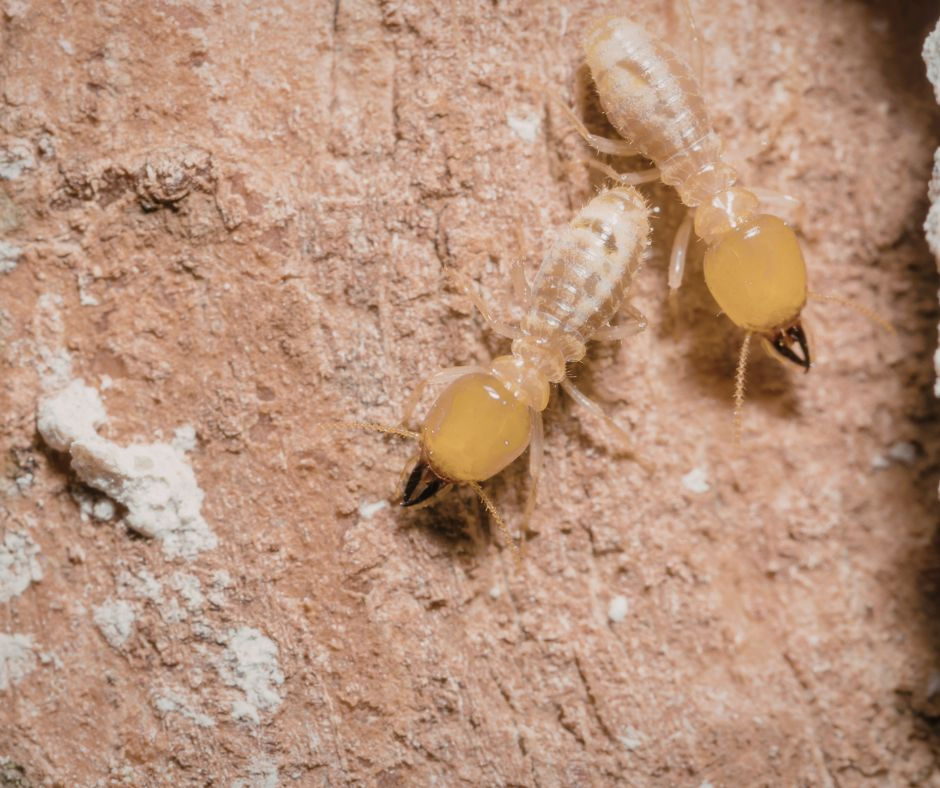
Subterranean Termites
Live underground and travel to wood through soil contact
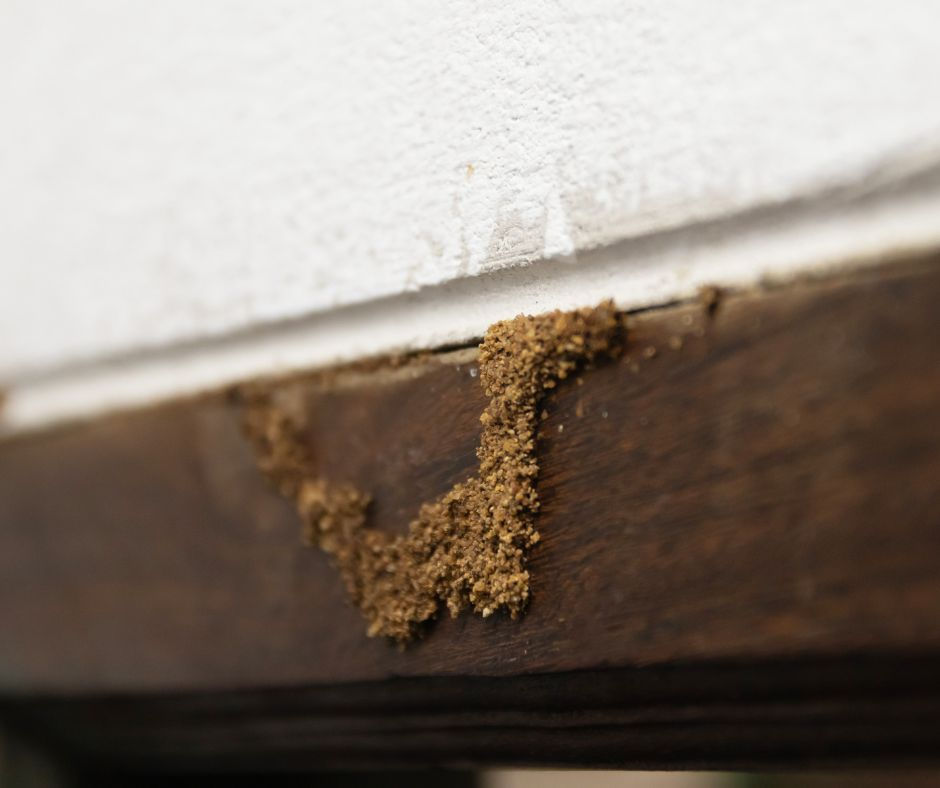
Build mud tubes to bridge gaps between soil and treated lumber
Most destructive species — consume wood rapidly once inside
Target fence posts, deck footings, and sill plates in soil contact
Best treated with a targeted termite killer application or liquid soil barrier
High-Risk Features That Undermine Treated Lumber Protection
Beyond the wood itself, specific features of individual properties in the Los Angeles area increase the odds that termites will eventually eat treated lumber:
Fence posts set directly in soil — even rated lumber degrades faster without a concrete or metal barrier
Deck footings without proper flashing — trapped moisture accelerates chemical breakdown at ground level
Sprinkler heads angled toward fencing or framing — daily moisture exposure shortens treated lumber's lifespan
Firewood or lumber scraps stored against treated structures — a harborage site that draws colonies closer
Older decks and pergolas built before 2005 — often treated with weaker, now-phased-out preservative formulas
Unsealed cut ends on fence posts and beams — exposes untreated core wood directly to soil and moisture
Tree stumps or dead roots near treated structures — underground food sources that support expanding colonies
Local insight: Properties in Arcadia, Pasadena, San Marino, and Monrovia with decks or fencing installed before 2010 carry a higher baseline risk, since treatment standards and chemical formulas have changed significantly over the past two decades. Annual inspections are strongly recommended for these older installations.

Not Sure If Your Treated Wood Is Holding Up?
Warning Signs Treated Wood Is Already Under Attack
Because Southern California termites are active year-round, there's no safe season to assume treated lumber is holding up on its own. Watch for these signs regardless of the time of year:
Mud tubes running up fence posts, deck footings, or foundation walls
Frass piles (tiny wood-colored pellets) beneath decks, railings, or outdoor furniture
Discarded wings near patios, fences, or exterior doors after a termite swarm
Hollow-sounding wood when tapped on posts, beams, or deck boards
Soft or crumbling wood at ground level on fence posts and structural framing
Sagging or shifting deck boards that suggest weakened support structures underneath
If you notice any of these signs, the damage is already underway. Visit our termite damage repair page to understand what structural restoration involves. How to Protect Treated Lumber From Termites Long-Term
Treated lumber is a helpful first layer of defense, not a permanent solution. Here's what proactive homeowners in LA County should do to reinforce it:
Schedule a professional termite inspection every 1–2 years — the only way to catch hidden activity before it spreads
Seal all cut ends, drill holes, and notches with a borate-based end-cut sealant to restore the chemical barrier
Keep treated wood elevated off soil using concrete footings, post bases, or metal standoffs
Redirect sprinklers and improve drainage away from fences, decks, and framing
Remove stumps and wood debris from the yard to eliminate nearby food sources
Apply a targeted termite killer treatment at the first sign of activity rather than waiting for visible damage
Compare the best termite protection plans available for ongoing monitoring, rather than relying on a single treatment years ago
For a full overview of treatment options, see our termite treatment page.
Why Attack Pest Management Understands Treated Lumber Risks
With over 40 years of termite-only experience in Los Angeles County, our team has inspected thousands of decks, fences, and treated framing systems across Arcadia, Pasadena, Glendale, Burbank, Monrovia, and the surrounding communities. We don't do general pest control. We specialize exclusively in termites, which means every inspector understands exactly where treated lumber tends to fail and why.
When you schedule an inspection with us, you get a licensed specialist who can tell the difference between a healthy treated post and one that's quietly been compromised for years — and who can recommend a plan that fits your budget without pushing you toward the cheapest termite treatment on the market at the expense of real protection.
Not Sure If Your Treated Wood Is Holding Up?
Frequently Asked Questions: Treated Lumber and Termites
Will termites eat treated lumber?
Yes, under the right conditions. Treated lumber resists termites far better than untreated wood, but cut edges, aging chemical treatment, direct soil contact, and moisture exposure can all create openings that termites eventually exploit.
How long does termite treatment on lumber actually last?
Most pressure-treated lumber offers strong protection for 10–15 years before the chemical barrier weakens significantly. After that point, the wood behaves much more like untreated lumber from a termite's perspective.
Are lawn termites a sign my treated wood is at risk?
Yes. Lawn termites feeding on mulch, stumps, or buried roots indicate an active colony nearby, and that colony will test any treated wood in the yard, especially where it touches soil.
What's the difference between a termite killer product and full termite damage prevention?
A termite killer treats an active, localized infestation, while a complete termite damage prevention plan addresses soil conditions, moisture, and structural weak points to stop colonies before they start.
How do I find the best termite protection plan for treated wood structures?
The best termite protection plans are matched to your property's construction age, soil type, and irrigation setup rather than a generic package. A professional inspection is the first step to building the right plan for decks, fences, and framing.
Is the cheapest termite treatment a good option for treated lumber?
Not usually. The cheapest termite treatment on the market is often a one-time spot application that misses the broader colony, leaving treated lumber vulnerable to repeat activity within months.
Protect Your Treated Lumber Before Termites Do More Damage
Our licensed specialists serve Arcadia, Pasadena, Glendale, Burbank, Monrovia, and all of Los Angeles County. With 40+ years of termite-only experience, we know exactly where treated lumber fails and how to stop it before it costs you a rebuild.


Comments