.png)
What Are the Signs of a Termite Infestation in Your Home?
- Feb 17
- 5 min read
Updated: May 20
Termites are one of the few home problems that can grow for months — sometimes years — before a homeowner realizes what’s happening. Unlike pests you can see right away, termites stay hidden inside walls, floors, and structural wood. By the time visible damage appears, they may have already been feeding for a long time.
The good news is that houses almost always give early warnings. You just have to know what to look for.
This guide walks you through the most common termite infestation signs, what they mean, and when to call a professional before repairs become expensive.
Why Termites Are So Hard to Notice

Termites survive by avoiding light, air, and exposure. Their bodies dry out quickly, so they travel inside soil tunnels, wood, or hidden pathways. Because of this, they rarely crawl across open floors like ants or cockroaches.
Instead, they eat your home from the inside.
Most infestations begin in one of these areas:
Behind baseboards
Inside wall cavities
Under flooring
Around door frames
Inside roof framing
Near plumbing penetrations
From the outside, everything can look normal. But internally, wood may already be hollowed out.
That’s why homeowners often mistake termite damage for moisture issues, aging materials, or normal wear and tear.
One of the Most Common Signs of Termite Infestation: Mud Tubes on Walls or Foundation

What they look like
Thin, dirt-colored lines running along concrete, brick, or drywall — about the width of a pencil.
These are called shelter tubes, and they’re one of the clearest signs of active subterranean termites.
Why termites build them
Termites need moisture to survive. Mud tubes act like protective tunnels that let them travel from the soil to your home without drying out.
You’ll commonly find them:
Along foundation walls
In crawl spaces
Behind garages
Near plumbing lines
Under stairs
On interior drywall in severe infestations
Important tip
Breaking the tube doesn’t solve the problem. Termites rebuild quickly. If you see mud tubes, the colony is already established.
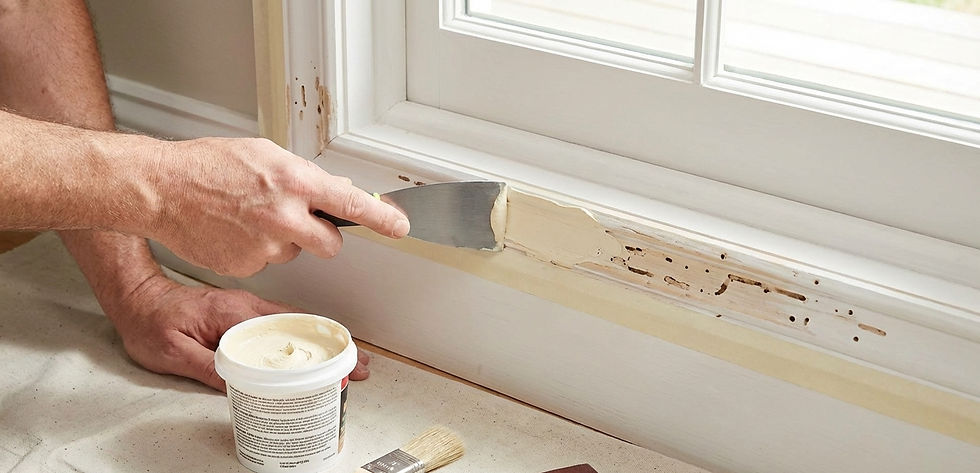
Hollow or Weak Wood
The tap test
Knock on baseboards, window frames, or wooden beams.
Healthy wood sounds solid. Termite-damaged wood sounds thin or papery.
This happens because termites eat wood from the inside outward, leaving the outer surface intact. The material may look normal but has lost its strength.
Other wood symptoms
Crumbling edges
Wood easily punctured with a screwdriver
Blistered surface texture
Sagging sections
Structural wood damage usually means the infestation has been active for quite some time.
Paint That Looks Like Water Damage

Many homeowners first notice termites because walls look like they have moisture problems.
You might see:
Bubbling paint
Uneven patches
Small cracks
Slight discoloration
Why this happens: termites create tunnels just beneath the paint layer. Air pockets form, causing the surface to swell.
Because it resembles a leak, homeowners sometimes repaint — which temporarily hides the problem while termites continue feeding underneath.
Discarded Wings Near Windows or Doors
What it means
When termite colonies mature, they release swarmers (reproductive termites). These look similar to flying ants but have straight antennae and equal-length wings.
After finding a place to nest, they shed their wings.
So if you notice small piles of identical wings on:
Windowsills
Floors near doors
Garage areas
Light fixtures
That usually means a new colony has just formed nearby — possibly inside your home.
Important timing
Swarming often happens after warm rain or during humid weather. Seeing swarmers indoors is a strong indicator of an infestation inside the structure, not just outside.
Tiny Droppings That Look Like Sand or Coffee Grounds
Drywood termites leave behind small pellets called frass.
They push these out of tiny holes in wood, creating small piles that homeowners often mistake for dust or debris.
You’ll usually find them:
Under wooden furniture
On window ledges
Near baseboards
On floors below ceiling beams
Unlike sawdust from carpenter ants, termite droppings are uniform in size and shape, like fine grains.
If you keep cleaning the same spot and it keeps reappearing, termites may be inside the wood above it.
Doors and Floors Suddenly Acting Strange
Termites change the structure of wood, and that affects how your home moves and fits together.
Common symptoms include:
Doors sticking or becoming hard to close
Windows tightening
Floors feeling uneven
Small cracks appearing around frames
Many homeowners assume the house is just settling. Sometimes that’s true — but sudden changes without weather shifts often point to internal wood damage.
Clicking Sounds Inside Walls
In quiet rooms, some homeowners hear faint ticking or clicking sounds.
This can happen when soldier termites bang their heads against tunnel walls to signal danger to the colony. Worker termites also make noise as they chew.
It’s subtle and usually only noticeable at night, but it does occur in active infestations.
Where Termites Usually Start
Understanding where termites begin helps you check the right areas first.
High-risk zones
Areas where soil touches wood
Around outdoor faucets
Under sinks
Near AC units
Around foundation cracks
Wooden fences attached to the house
Deck supports
Moisture is the biggest attractant. Even a small plumbing leak can invite a colony.
Why Early Detection Matters

Termites don’t stop feeding.
A mature colony can eat continuously, 24 hours a day. Over time this can lead to:
Structural weakening
Expensive repairs
Flooring replacement
Wall reconstruction
Reduced property value
Insurance rarely covers termite damage because it’s considered preventable maintenance.
That’s why professional inspections are recommended even when no signs are visible.
What To Do If You Notice Any Sign
Avoid DIY sprays or home remedies.
Disturbing termites without eliminating the colony often causes them to spread deeper into the structure or relocate to another area of the home.
Instead:
Do not break open walls or wood
Avoid applying store-bought pesticides
Document where you saw activity
Schedule a professional inspection
A licensed termite technician can determine:
The termite species
Colony size
Entry points
Proper treatment method
When To Schedule an Inspection

You should book an inspection if:
You see wings, mud tubes, or droppings
You bought or are selling a home
Your neighbors had termites
Your home is over 10 years old
You live in a warm climate
It has been more than a year since the last check
Many infestations are found during routine inspections — before any visible damage exists.
Final Thoughts
Termites don’t announce themselves. They leave subtle warnings — mud tubes, hollow wood, tight doors, small wings — signs that are easy to overlook unless you know what they mean.
Catching the problem early can mean the difference between a simple treatment and major structural repair.
If your home shows even one of these warning signs, the safest step is a professional evaluation.

Comments