.png)
The Most Common Places Homeowners Forget to Check for Termite Activity
Most homeowners check the obvious spots — maybe a quick glance at the foundation or a windowsill — and stop there. But the places homeowners forget to check for termites are usually exactly where activity has been quietly building for the longest. Here are eight spots worth adding to your own walkthrough.
Jump to: Why These Spots Get Overlooked · Attics and Roof Framing · Crawl Spaces and Foundation Areas · Behind Baseboards and Window Frames · Under Flooring and Subfloor · Decks, Porches, and Fences · Woodpiles and Landscaping · Garages and Storage Areas · Chimneys and Utility Penetrations · FAQs
Places Homeowners Forget to Check for Termites: Why They Get Overlooked

Termites gravitate toward dark, undisturbed, low-traffic areas — which is exactly why the places homeowners forget to check for termites tend to be the same spots people simply don't think to look. Nobody inspects the back of a closet baseboard or the underside of a deck on a regular basis, and termites know it.
It's Not Carelessness — It's Just Not Visible
These aren't spots people are ignoring on purpose. They're simply not part of anyone's regular routine, which is exactly the appeal for a colony that thrives on staying undisturbed.
Attics and Roof Framing

Attics are rarely visited, poorly lit, and full of exposed wood framing — a combination that makes them one of the most overlooked termite locations in a home, particularly for drywood termites that don't need soil contact at all.
What to Look For
Discarded wings, small piles of frass (termite droppings resembling sawdust), and soft or blistered wood along rafters are all worth checking for on an occasional attic walkthrough.
Crawl Spaces and Foundation Areas

Crawl spaces combine everything subterranean termites are drawn to — soil contact, darkness, and minimal foot traffic — yet they're one of the least-visited parts of most homes. Our post on how moisture problems can secretly attract termites to your property covers why this specific area is doubly attractive when moisture is also present.
Mud Tubes Are the Telltale Sign Here
Pencil-width mud tubes running along foundation walls or support posts are one of the clearest signs of subterranean termite activity, and crawl spaces are one of the most common places to actually find them.
Behind Baseboards and Window or Door Frames
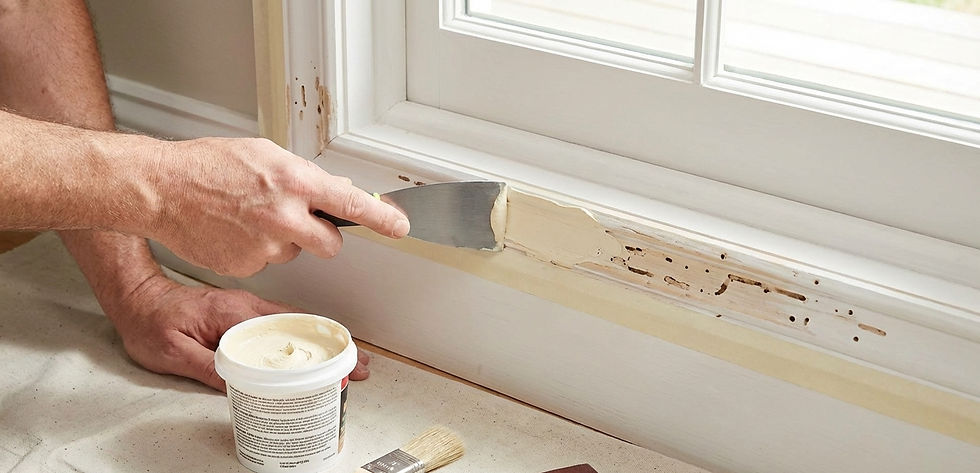
Baseboards and window and door frames sit directly against wall framing, making them a common access point termites use without ever needing to cross open, visible space. Our post on why cracked paint and bubbling walls could point to termites covers some of the surface signs that can appear near these exact spots.
Under Flooring and Subfloor Areas

Carpet, tile, and other flooring materials sit directly on top of a subfloor that's rarely inspected unless flooring is being replaced, which means termite damage underneath can go completely unnoticed for a long time.
A Soft or Springy Feeling Is Worth Investigating
Flooring that feels unusually soft or springy underfoot in one specific area, rather than throughout the room, is worth checking further rather than dismissing as an old floor settling.
Decks, Porches, and Fences Touching the House
Structures attached directly to a home — decks, porches, attached fences — create a wood-to-wood or wood-to-soil bridge that termites can use to reach the main structure without needing to travel through open ground first.
Ledger Boards Deserve Special Attention
The ledger board, where a deck attaches to the house, is a frequently overlooked spot since it's often partially hidden by decking material above and landscaping below.
Woodpiles, Mulch, and Landscaping Near the Foundation
Firewood stacked against an exterior wall, thick mulch beds, and dense landscaping close to the foundation all create moisture and wood sources right next to the house — and they're rarely thought of as part of a "termite check" since they're outside, not part of the structure itself.
A Simple Rule of Thumb
Keeping firewood and heavy mulch at least several inches to a foot away from exterior walls removes an easy bridge between soil-based termite colonies and the home itself.
Garages and Storage Areas
Garages often store items along exterior walls, against wood framing that's rarely disturbed or inspected, particularly in areas behind stacked boxes or shelving units that stay in place for years at a time.
What Makes Garages Easy to Overlook
Unlike living spaces, garages don't get the same routine cleaning or attention, which means small signs of activity can persist unnoticed for a long time.
Chimneys and Areas Around Utility Penetrations
Gaps around chimneys, plumbing penetrations, and utility lines entering a home can create small, easy access points for termites, and these areas are rarely part of a homeowner's regular inspection routine since they're often hidden behind trim or siding.
According to the National Pest Management Association, termites cause billions of dollars in damage nationally each year, much of it in structures where activity went unnoticed in exactly these kinds of overlooked spots. A professional termite inspection covers all of these locations systematically, rather than relying on a homeowner's occasional, informal walkthrough.
Attack Pest Management has specialized exclusively in termite inspection and termite control for over 40 years across Los Angeles County, with technicians trained specifically to check every one of these commonly overlooked spots.
Frequently Asked Questions
1. Why do homeowners so often miss termite activity in their own homes?
Termites gravitate toward dark, low-traffic, undisturbed areas that simply aren't part of a typical homeowner's regular routine, like attics, crawl spaces, and behind baseboards.
2. Are attics really a common spot for termite activity?
Yes, particularly for drywood termites, which don't need soil contact and can establish themselves in exposed attic framing without anyone noticing for a long time.
3. What should I look for in a crawl space?
Mud tubes along foundation walls or support posts are one of the clearest signs of subterranean termite activity, and crawl spaces are one of the most common places to find them.
4. Can termites get into a home through an attached deck or porch?
Yes. Structures attached directly to a home can create a wood-to-wood or wood-to-soil bridge, and the ledger board where a deck meets the house is a frequently overlooked access point.
5. Does firewood stacked against my house actually matter?
Yes. Firewood and thick mulch against exterior walls create moisture and wood sources right next to the home, making it easier for termites to reach the structure.
6. Should I check my garage for termite activity too?
It's worth including in a periodic check, since garages often have undisturbed wood framing behind stored items that isn't part of regular household cleaning or attention.
7. How often should I personally check these overlooked spots?
A casual homeowner walkthrough every few months can help, but these areas are exactly why professional inspections matter — trained inspectors know how to check them systematically.
8. Is a professional inspection really necessary if I check these spots myself?
Yes. A professional inspection covers these locations more thoroughly and can identify signs a homeowner might miss, especially in areas that are hard to access safely without training.
Check the Spots That Are Easy to Miss
Termites are experts at hiding in exactly the places homeowners forget to check. Attack Pest Management has specialized exclusively in termite inspection and treatment for over 40 years across Los Angeles County.
Schedule your termite inspection today: 📞 626-915-1111 🌐 www.attack-pestcontrol.com/contact


Comments