.png)
The Connection Between Termites and Mold: What Homeowners Should Know
- Dec 27, 2025
- 3 min read
Updated: May 20

When homeowners think about mold and termites, they often see them as two separate problems. In reality, these issues are closely connected—and when one is present, the other is often not far behind.
Both termites and mold thrive in moist environments, and if your home has excess moisture, leaks, or poor ventilation, you could be creating the perfect conditions for both to grow.
Understanding this connection can help you catch problems earlier, protect your home, and avoid costly repairs.
Why Moisture Is the Common Link
Moisture is the number one factor that connects mold growth and termite activity.
Mold grows in damp, poorly ventilated areas
Termites are attracted to moist, weakened wood
Leaks and humidity create ideal conditions for both
Basements, crawl spaces, bathrooms, kitchens, and areas around plumbing are especially vulnerable.
If moisture isn’t addressed, mold and termites can quietly cause damage long before visible signs appear.
Understanding the Connection Between Termites and Mold

Mold itself doesn’t attract termites—but the conditions that allow mold to grow often do.
When wood becomes damp:
It softens and weakens
It becomes easier for termites to chew through
It signals a consistent moisture source
Termites prefer wood that has already been compromised, making mold-damaged areas a prime target for infestation.
How Termites Can Make Mold Problems Worse

The relationship works both ways. Once termites infest a home, they can actually increase moisture problems.
Termite tunnels allow moisture to spread deeper into wood
Damaged wood traps humidity
Structural damage can lead to leaks or poor airflow
Over time, this creates an even better environment for mold to spread unnoticed.
Common Areas Where Termites and Mold Appear Together
Homeowners often discover termites and mold in the same locations, including:
Crawl spaces with poor ventilation
Attics with roof leaks
Under sinks or behind cabinets
Around windows and door frames
Near foundations with drainage issues
Because these areas are rarely inspected, damage can go unnoticed for months.
Warning Signs You Shouldn’t Ignore

Early detection is critical. Watch for these signs that could indicate termites, mold, or both:
Musty or damp odors
Discoloration on walls or ceilings
Warped or bubbling paint
Hollow-sounding wood
Mud tubes near foundations or walls
If you notice any of these, it’s best to schedule a professional inspection right away.
Why DIY Fixes Often Fall Short
Many homeowners try to handle mold or termite issues separately using DIY solutions.
Unfortunately, this approach often treats symptoms rather than the root cause.
Bleach may remove visible mold but won’t fix moisture issues
Store-bought termite treatments rarely reach hidden colonies
Ignoring one problem allows the other to continue spreading
Professional inspections identify both issues at once and provide long-term solutions.
The Importance of Professional Inspections

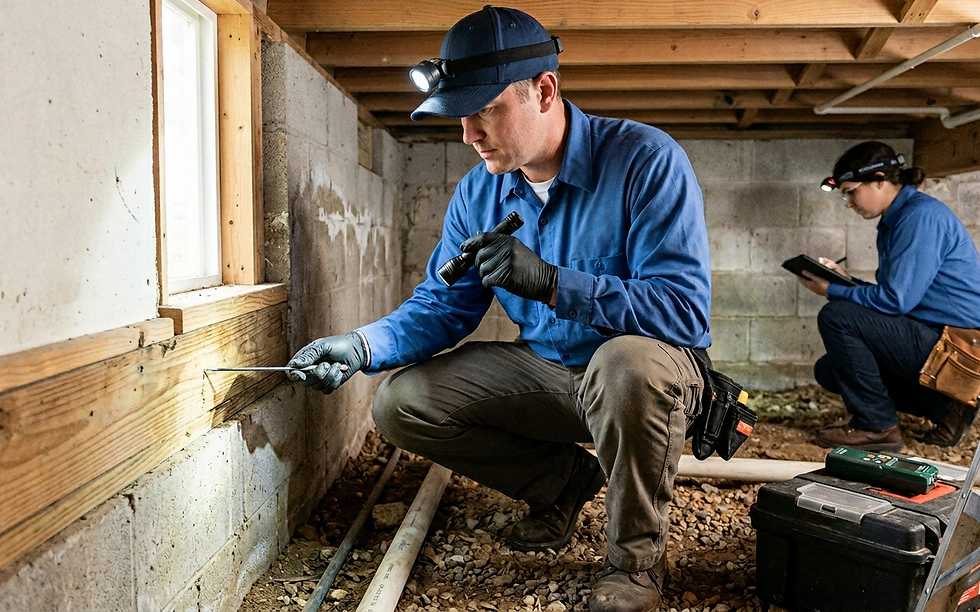
A professional pest control inspection can reveal:
Hidden termite activity
Moisture-prone areas
Early structural damage
Conditions that encourage mold growth
Addressing these issues early helps prevent further damage and protects your home’s value.
Preventing Termites and Mold at the Same Time
The best prevention strategy focuses on moisture control and early detection.
Smart prevention steps include:
Fixing plumbing leaks promptly
Improving ventilation in crawl spaces and attics
Keeping gutters and drainage systems clear
Scheduling regular termite inspections
Addressing moisture issues before mold develops
These steps reduce the risk of both termites and mold long-term.
Protect Your Home Before Damage Gets Worse

Termites and mold rarely show up overnight—but once they do, damage can escalate quickly. Understanding the connection between them allows homeowners to act sooner, protect their investment, and avoid expensive repairs.
If you suspect termite activity, moisture issues, or hidden damage, professional help makes all the difference.


Comments