.png)
Termite Prevention for Homes with Wooden Decks and Patios
- Feb 28
- 5 min read
Updated: May 20
Wooden decks and patios add beauty, value, and usable outdoor space to a home. They’re perfect for gatherings, quiet mornings, and summer evenings. But what many homeowners don’t realize is this:
Your wooden deck may be one of the most vulnerable areas of your property when it comes to termites.
Unlike interior wood that’s protected by walls and controlled environments, decks and patios are constantly exposed to moisture, soil, and temperature changes — all conditions termites love.
If your home has a wooden deck or patio, termite prevention isn’t optional. It’s essential.
Let’s break down why decks are high-risk areas, what warning signs to watch for, and how to protect your outdoor structure long-term.
Why Wooden Decks Are Prime Targets for Termites

Termites are drawn to three main things:
• Wood• Moisture• Easy access from soil
Wooden decks often provide all three.
Subterranean termites, the most common and destructive type in many areas, live underground. From there, they build hidden mud tubes to reach food sources above ground. Deck posts that connect directly to soil create a direct pathway from colony to structure.
Even pressure-treated wood is not completely termite-proof. Over time, exposure to weather can reduce its resistance. Small cracks and moisture buildup make it easier for termites to begin feeding.
If your deck is attached to your home, the risk increases. Termites can move from the deck into your home’s structural framing without you realizing it.
The Hidden Risk: Deck-to-Home Termite Transfer
One of the biggest dangers homeowners overlook is termite migration.
A termite colony might start feeding on your deck beams. You might not notice the damage right away because:
• It happens internally• It’s hidden under the surface• It progresses slowly
But once termites establish themselves in deck wood, they don’t stop there. If your deck is attached to your house, they can move directly into your home’s framing, floor joists, or wall studs.
That’s how a “small deck issue” turns into structural interior damage.
Signs of Termite Activity in Decks and Patios

Deck termite damage often goes unnoticed until it becomes severe. Here are warning signs homeowners should look for:
1. Hollow-Sounding Wood
Tap on deck boards and support beams. If the wood sounds hollow or papery, termites may have eaten the inside.
2. Soft or Spongy Boards
Wood that feels weak, sagging, or unusually soft could indicate internal damage.
3. Mud Tubes on Posts or Supports
Subterranean termites build narrow mud tubes along posts, foundation walls, or deck supports to travel safely.
4. Cracked or Blistered Wood
Surface bubbling or peeling paint may signal moisture and termite activity beneath.
5. Loose Railings or Unstable Supports
If parts of your deck feel unstable, termites could be weakening structural supports.
Because decks are outdoors, many homeowners assume damage is from weathering or rot. While rot is common, termite damage often looks similar — which is why professional inspection matters.
Moisture: The Biggest Contributor to Deck Termite Problems

Moisture attracts termites.
Decks are frequently exposed to:
• Rainwater• Irrigation systems• Poor drainage• Humid climates• Pool splash zones
If water collects around deck posts or underneath the structure, the soil remains damp — creating ideal conditions for subterranean termite colonies.
Prevention starts with moisture control.
Smart Termite Prevention for Wooden Decks

Here’s how to reduce your risk and protect your outdoor structure long-term.
Elevate Wood Above Soil
Deck posts should never have direct wood-to-soil contact. Use concrete footings or metal post anchors to create separation. Direct contact makes it easy for termites to access untreated wood.
Improve Drainage Around the Deck
Ensure water drains away from:
• Deck supports• Home foundation• Patio edges
Fix grading issues that allow water to pool near the structure. Install proper drainage systems if needed.
Seal and Maintain Deck Wood
Regularly sealing or staining your deck helps protect wood from moisture infiltration. While sealants don’t make wood termite-proof, they reduce cracking and moisture buildup — making it less attractive to pests.
Inspect for damaged boards and replace them promptly.
Keep Mulch and Landscaping Away
Mulch holds moisture and can hide termite activity. Keep:
• Mulch• Firewood• Landscaping materials
At least several inches away from deck supports and foundation walls.
Avoid stacking firewood against your deck or home. It creates a direct food source.
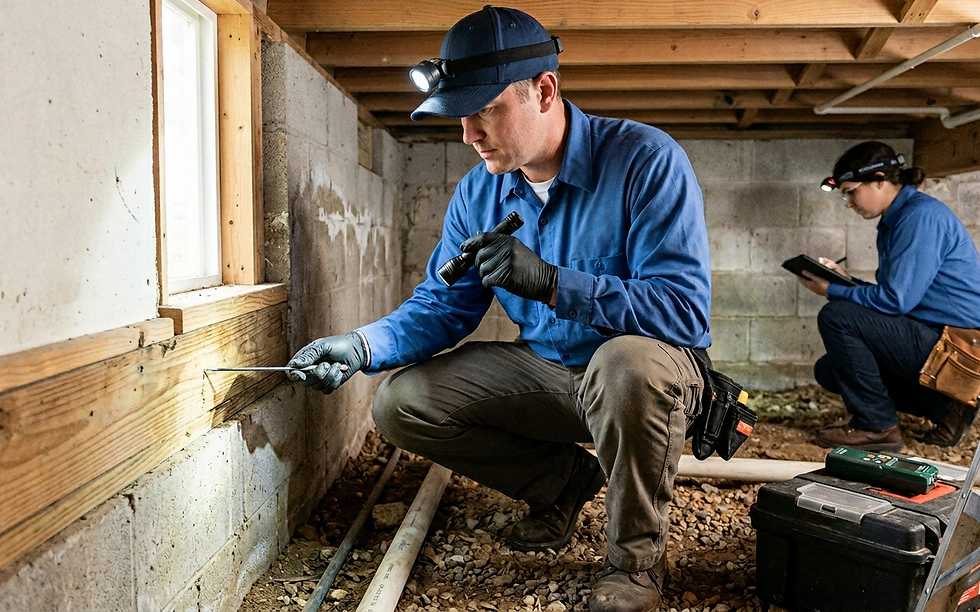
Schedule Professional Termite Inspections
This is the step most homeowners skip — and the most important one.
A professional termite inspection includes:
• Examining deck supports and framing• Checking soil conditions• Identifying mud tubes or hidden activity• Assessing risk factors
Even if you don’t see damage, routine inspections catch problems early.
Why DIY Termite Prevention Falls Short
Home improvement stores sell sprays and treatments that promise termite control. But termites live underground in large colonies — sometimes hundreds of thousands strong.
Spraying visible areas doesn’t eliminate the colony.
Effective termite prevention requires:
• Soil treatment barriers• Professional-grade products• Strategic placement• Ongoing monitoring
Without addressing the colony source, the problem often returns.
The Long-Term Value of a Professional Termite Prevention Plan

Homes with wooden decks should strongly consider a structured termite prevention plan.
These plans often include:
• Initial inspection and risk assessment• Soil treatment or baiting systems• Ongoing monitoring• Annual inspections
This proactive approach protects both your deck and your home’s structural framing.
Think of it as insurance against expensive structural repairs.
The Cost of Ignoring Deck Termites
When termites weaken deck supports, the risks go beyond property damage.
Structural instability can become a safety hazard.
Weak beams or posts may eventually fail under weight, creating dangerous conditions for family and guests.
Repairing termite-damaged decks can involve:
• Replacing boards• Reinforcing supports• Rebuilding structural framing• Addressing interior home damage
Prevention is almost always less expensive than restoration.
Seasonal Considerations for Deck Termite Prevention
Termite activity increases during warmer months, particularly during swarming season. However, colonies remain active year-round in many regions.
Spring and early summer are ideal times for inspection and prevention.
But don’t wait for visible signs. Termites work quietly and consistently.
Older Decks: Higher Risk
If your deck is more than 10 years old, the risk increases.
Over time:
• Sealants wear off• Wood cracks• Fasteners loosen• Moisture penetrates deeper
Regular inspections become even more important as decks age.
Prevention Is Protection for Your Investment

Your deck adds value to your property. It’s an investment in lifestyle and resale potential.
Allowing termites to compromise that structure not only affects safety but also impacts home value.
Proactive termite prevention helps preserve:
• Structural integrity• Property value• Outdoor usability• Peace of mind
Don’t Let Your Deck Become an Entry Point
Wooden decks and patios are beautiful additions to any home — but they require proper maintenance and protection.
Termites don’t discriminate between interior beams and exterior boards. If there’s wood and moisture, they’ll investigate.
If you own a home with a wooden deck or patio, now is the time to evaluate your termite prevention strategy.
Early action protects both your outdoor structure and the entire home attached to it.
Schedule a professional termite inspection and prevention consultation today.
Visit Attack Pest Control to protect your deck, patio, and home from costly termite damage before it starts.

Comments