.png)
Termite Risk in Older Homes: Why They’re Prime Targets & How to Protect Yours
Updated: May 20
Many homeowners never consider how serious the termite risk in older homes really is, especially when wood has aged and moisture has built up over decades.
If you own an older home, you already understand the charm that comes with it—original woodwork, vintage styling, solid craftsmanship, and the kind of character new builds just don’t offer. But while older homes have undeniable appeal, they also come with a hidden vulnerability that catches many homeowners off guard: termites.
Termite infestations in older properties are more common than most people realize. These destructive insects thrive quietly behind walls, under floors, and in crawl spaces, slowly eating away at the structural elements that hold a home together. Worst of all, homeowners often don’t notice them until thousands—or tens of thousands—of dollars in damage has already been done.
In this blog, we’ll break down why older homes are prime targets for termites, the risks you should take seriously, and how to protect your house before it becomes a costly repair project.
1. Why Termite Risk in Older Homes Is Higher Than Most People Realize

One of the most obvious reasons older houses attract termites is the sheer amount of wood they contain.
Before newer building codes and modern materials, many houses relied heavily on untreated lumber for framing, flooring, trim, and understructure. While this gave older homes that classic solid feel, it also means more edible material for termites—especially after decades of wear.
Over time, natural aging causes:
Micro-cracks in wood
Moisture absorption
Loss of protective coatings
Areas of wood-to-soil contact
Termites—especially subterranean termites—take advantage of these conditions. They prefer softened or aged wood, and older homes offer plenty of it.
2. Wood-to-Soil Contact Was Common in Older Construction
Today’s builders are much more careful about preventing direct wood-soil contact. There are strict requirements for:
Vapor barriers
Concrete slabs
Treated lumber
Proper crawlspace ventilation
Raised footing designs
Older homes, however, often have features such as:
Wooden porch posts set directly into soil
Wooden crawlspace supports
Joists close to dirt floors
Rotten mudsills
Moist basement timber
This creates the perfect bridge for subterranean termites, which require soil moisture to survive.
For a termite colony, soil-to-wood contact is basically a free entry point.
3. Decades of Moisture Issues Create Ideal Termite Conditions

Moisture is a magnet for termites. It softens wood fibers, helps termites regulate body moisture, and supports fungal growth that makes wood even easier for them to consume.
Older homes tend to have a long history of moisture issues caused by things like:
Slow plumbing leaks
Damaged gutters or downspouts
Poor yard grading
Old roofing
Condensation in crawlspaces
Non-ventilated basements
These create humid pockets around framing and subfloors. Subterranean termites thrive here because they require moisture to survive. Drywood termites—the kind that live directly inside wood—also prefer timber that’s been compromised by water over the decades.
Modern homes are built with:
Moisture barriers
Better insulation
Treated lumber
Proper vapor ventilation
Older homes often lack these protections, making them prime termite habitat.
4. Older Homes May Have Previous Termite Damage That Was Never Properly Treated

Many older properties have been around long enough to experience termite infestations at some point. Just because termites aren’t active now doesn’t mean damage (or colonies) are gone.
Typical scenarios include:
A previous owner treated termites only partially
Damage was patched cosmetically instead of structurally
Old termite tunnels were never removed
The home was tented decades ago but never given a soil barrier
Termite warranties expired long ago
Termites can remain hidden inside walls for years. Even if treatment stopped one colony, new colonies can easily move in when soil treatments wear off—which often happens after 5–10 years.
5. Vintage Materials and Construction Make Inspection Difficult
One of the biggest risks with older homes is simply the lack of visibility. A modern open-concept home with new drywall is much easier to inspect than a 1930s house full of:
Plaster walls
Hollow crawlspaces
Hardwood flooring
Thick trim and baseboards
Paneled walls
Termites love these hidden areas.
Homes built before modern pest awareness often weren’t designed with access panels, crawlspace clearances, or inspection pathways—making it harder to detect termite activity until it’s widespread.
6. Historical Landscaping Choices Attract Colonies

Many older homes are surrounded by mature trees, shrubs, and wood-based landscaping that contribute to termite pressure.
Common risk factors include:
Tree stumps near the foundation
Old firewood piles
Wooden fences touching soil
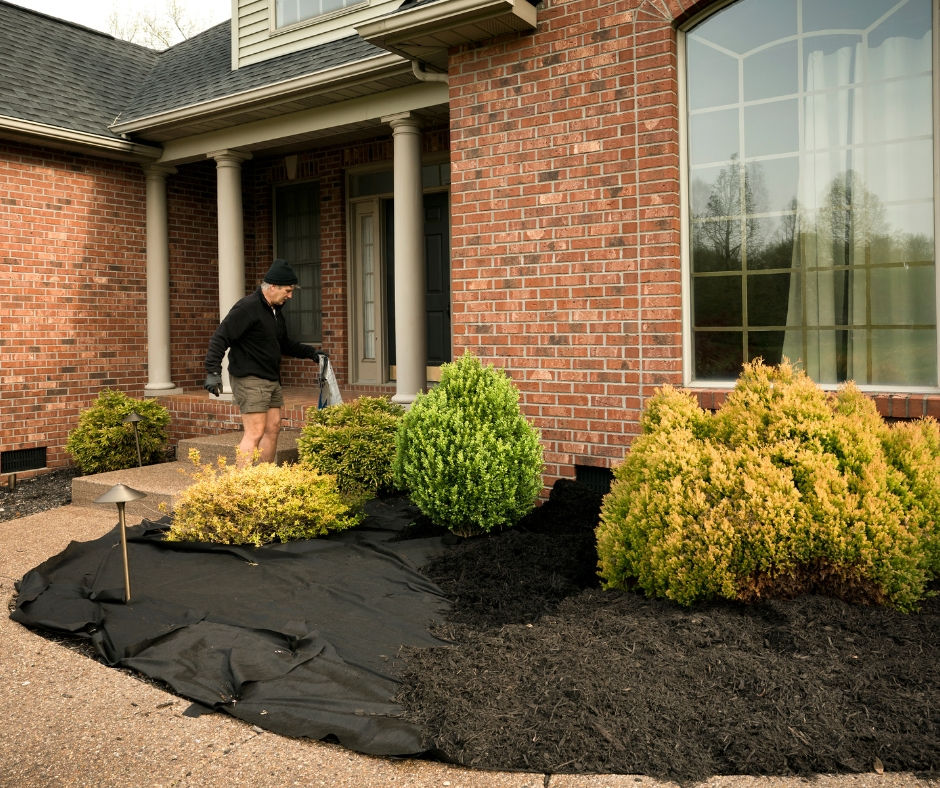
Mulch beds directly against siding
Raised planter boxes
Bushes that trap moisture near walls
In older neighborhoods, termite colonies have often been established for decades. If nearby homes are infested, yours becomes an easy target.
7. Building Codes and Treatments Were Different Back Then
Modern homes benefit from stricter codes requiring:
Pressure-treated lumber for soil-contact areas
Concrete barriers
Metal termite shields
Soil pre-treatments before foundations are poured
Homes built before these practices are missing these protections entirely.
Additionally, soil treatments degrade over time. Even if a home was treated 20 or 30 years ago, its protective barrier is long gone.
Termites can establish entire colonies within crawlspaces, walls, and attic beams before a homeowner sees a single sign.
Signs of Termite Activity Homeowners Tend to Miss
Owners of older homes often don’t realize termite infestations are happening because the early signs are subtle or mistaken for aging.
Here are common but overlooked warning signs:
✔ Small pinholes in drywall or plaster
✔ Hollow-sounding wood when tapped
✔ Peeling paint that resembles water damage
✔ Mud tubes on foundation or crawlspace beams
✔ Soft or sagging floorboards
✔ “Gritty” wood debris (similar to sawdust)
✔ Piles of termite wings near windows
✔ Tight-fitting doors or windows (caused by wood warping)
Most homeowners don’t connect these red flags to termites until inspections reveal the extent of the damage.
Why Waiting Can Be Devastating for Older Homes
Termites do not work slowly—they work quietly.
A single colony can consume 3–5 grams of wood per day, and larger infestations can house hundreds of thousands of termites. Over time, structural elements that support your home can weaken, including:
Joists
Load-bearing beams
Subfloors
Porch posts
Sills
Deck framing
Wall studs
Roof supports
In older homes, structural repairs are often more expensive because:
Replacement lumber must match existing architecture
Construction requires specialty labor
Demolition may reveal additional hidden damage
Restoring finishes increases costs
It’s not uncommon for termite repairs to start at $5,000–$15,000 for moderate damage and exceed $25,000–$40,000+ when structural components are affected.
How Homeowners Can Protect Older Houses from Termites
The goal isn’t just to eliminate termites—it’s to prevent conditions that invite them.
Here’s what every older-home owner should prioritize:
1. Schedule Routine Professional Inspections
Termite inspections should happen:
Once a year for high-risk older homes
Twice a year in warm, humid climates
Before buying the property (always)
A trained inspector can spot activity behind walls, under flooring, and inside crawlspaces far better than the average homeowner.
2. Address Moisture Problems Quickly
Fix:
Leaky pipes
Clogged gutters
Damaged downspouts
Poor drainage
Roof leaks
Basement humidity
Crawlspace condensation
Add:
Vapor barriers
Gutter extensions
Dehumidifiers (if needed)
Crawlspace ventilation
Removing moisture significantly reduces termite risk.
3. Remove Wood-to-Soil Contact
Check for:
Porch posts touching soil
Deck framing resting on dirt
Fence boards connected to siding
Wood planter boxes against walls
Add proper spacing or install concrete bases where needed.
4. Treat Soil Around the Perimeter
Termite treatment options include:
Liquid soil barriers
Termite baiting systems
Borate wood treatments
Full tent fumigation (for drywood termites)
Soil barriers can last 5–10 years depending on product and soil conditions.
5. Keep Landscaping in Check
Avoid:
✖ Mulch touching the foundation
✖ Overgrown bushes trapping moisture
✖ Logs or firewood stored against the home
✖ Dead tree stumps in the yard
✖ Wooden trellises attached to siding
Aim for at least 12–18 inches of clearance between soil and wood siding.
Older Homes Deserve Extra Protection
Owning an older home is rewarding, but it requires proactive maintenance—especially when it comes to termites. These insects love aged wood, hidden crawlspaces, moisture pockets, and the structural setups common in vintage properties.
The good news? With the right prevention strategy, you can stay ahead of them.
Here’s the takeaway:
✅ Older homes attract termites due to age, construction style, and moisture history
✅ Termites do massive damage quietly and quickly
✅ Annual inspections and preventative treatments save thousands in repairs
✅ Early intervention preserves both your home’s charm and structural safety
If your house is 30+ years old—and especially if it’s 50, 70, or 100+ years old—now is the right time to take termite prevention seriously.


Comments