.png)
Are Termites Active This Month? Seasonal Signals to Watch
- Feb 21
- 3 min read
Updated: May 20
Many homeowners assume termites are only a summer problem. The truth is, termites stay active throughout the year — but their behavior changes depending on temperature, humidity, and soil conditions.
Many homeowners ask, are termites active this month, especially when they notice sudden changes around the house. The answer depends on weather conditions, not the calendar.
Because activity shifts with the seasons, infestations often begin quietly. By the time damage is visible, the colony may already be established inside the structure.
Understanding monthly and seasonal signals helps you catch termites early and avoid expensive repairs.
Why Termite Activity Changes Each Month

Termites are highly sensitive to environmental conditions. They don’t disappear when the weather cools down — they simply move deeper into soil or wood to maintain moisture and stable temperatures.
Instead of thinking in terms of “active vs inactive,” it’s more accurate to think:
Visible activity vs hidden activity
Warm seasons = movement becomes noticeable
Cooler seasons = feeding continues inside structures
Humid conditions = colony expansion
Dry conditions = termites move deeper indoors
This is why infestations are discovered at different times of the year even though termites were present the entire time.
Spring: Swarming Season Begins
Spring is the most noticeable time for termite activity. Colonies mature and release swarmers — reproductive termites searching for new nesting areas.
Signals to watch
Flying termites near lights
Wings on window sills
Activity after warm rain
Termites appearing indoors suddenly
Swarmers don’t cause damage themselves, but they signal that a colony is nearby or already inside the home.
Seeing swarmers indoors almost always indicates an active infestation within the structure.
Summer: Colony Expansion and Structural Feeding

During warm months, termites expand aggressively. Soil is warm and moisture levels allow colonies to grow faster.
Signals to watch
Mud tubes forming on foundations
Soft or hollow wood
Bubbling paint
Small holes in drywall
Warped baseboards
This is often when structural damage accelerates because feeding activity increases.
Many homeowners first notice problems in summer because visible damage begins appearing — not because the infestation started then.
Fall: Termites Move Indoors
As outdoor temperatures begin to drop, termites search for more stable environments. Homes provide consistent warmth and moisture.
Signals to watch
New activity in interior walls
Tight doors and windows
Small cracks near frames
Faint clicking sounds in walls
During fall, colonies often relocate feeding areas deeper into structures. Damage may spread to previously unaffected rooms.
Winter: Hidden but Still Active
Cold weather does not eliminate termites. Subterranean termites stay below the frost line, while drywood termites remain inside wood.
Feeding continues — just out of sight.
Signals to watch
Peeling paint resembling moisture damage
Floors feeling uneven
Persistent minor wall cracks
Damage appearing without visible insects
Winter infestations are usually discovered by structural symptoms rather than live termite sightings.
Rain and Humidity: The Biggest Triggers
Regardless of the month, moisture changes termite behavior quickly.
After rainfall or increased humidity, termites often:
Build new mud tubes
Expand feeding areas
Release swarmers
Explore new entry points
This is why many infestations are first noticed shortly after weather changes.
How Termites Enter Homes Throughout the Year

Termites don’t need large openings. They exploit tiny gaps and hidden pathways.
Common entry points:
Foundation cracks
Plumbing penetrations
Expansion joints
Soil touching wood
Deck supports
Garage slabs
Seasonal movement simply determines which areas they use first.
Early Warning Signs You Should Never Ignore
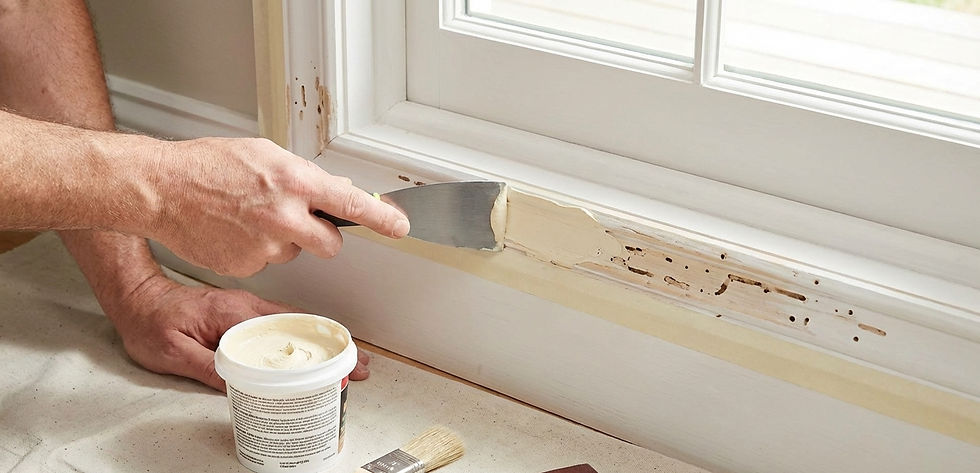
No matter the season, certain signals always indicate activity:
Mud tubes on walls or foundation
Hollow sounding wood
Discarded wings
Sand-like droppings
Tight-fitting doors
Warped flooring
Even one of these signs means a colony may already be established.
Why Timing Matters
Termites work continuously. A colony feeds 24 hours a day and damage compounds over time.
Waiting for visible insects can delay detection by months.
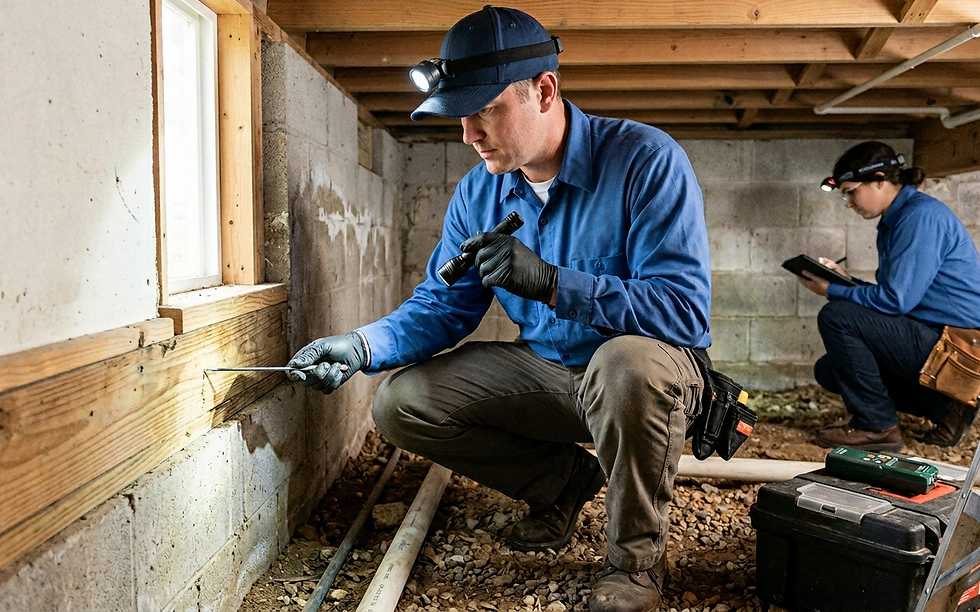
Early inspections during seasonal transitions — especially spring and fall — often prevent structural repairs.
When to Schedule an Inspection

You should arrange a termite inspection if:
You notice any seasonal signals
Neighbors report termite issues
You recently had heavy rain
Your home has never been inspected
It has been over a year since the last check
Preventive inspections are far less costly than repairing structural wood.
Stay Ahead of Termites Year-Round

Termites don’t follow a calendar — they follow conditions. Every month presents different warning signs, and recognizing them early protects your home long-term.
If you notice wings, mud tubes, wood damage, or unexplained changes in doors or floors, the safest step is a professional evaluation.

Comments