.png)
Why You Should Schedule a Pest Inspection Before Spring
- Mar 10
- 6 min read
Updated: May 20
When winter begins to fade and temperatures slowly rise, many homeowners start thinking about spring cleaning, gardening, and home maintenance. However, one important step that often gets overlooked is scheduling a pest inspection before spring begins.
Spring is one of the most active seasons for pests. Insects and rodents that stayed hidden during colder months start searching for food, shelter, and places to reproduce. Taking preventive action before this seasonal surge can protect your home, save money, and prevent infestations before they start.
In this guide, we’ll explore why scheduling a pest inspection before spring is a smart decision, the risks of waiting too long, and how proactive pest control can keep your home protected all year long.
Why Spring Is the Peak Season for Pest Activity

As temperatures rise, pests become more active. Many insects and rodents spend winter hiding in walls, basements, attics, or crawl spaces. Once spring arrives, they emerge and begin breeding and searching for food sources.
This seasonal shift means a small pest issue can quickly turn into a major infestation if it’s not detected early. Ants, termites, cockroaches, spiders, rodents, and wasps are just a few pests that become more active during spring.
Because of this increase in activity, a professional pest inspection before spring gives homeowners a chance to catch problems early—before pests begin multiplying and spreading throughout the property.
1. Detect Hidden Pests Before They Become a Problem

Many pests remain hidden during winter. They stay inside walls, insulation, crawl spaces, or storage areas where homeowners rarely look.
A pre-spring pest inspection allows professionals to detect these hidden pests before they become active and spread throughout the house. Overwintering pests such as spiders, cockroaches, and flies often remain dormant until temperatures rise.
By identifying these pests early, exterminators can treat the problem before it turns into a full infestation.
Common hidden pests found during inspections
Cockroaches hiding in kitchens and basements
Rodents nesting in attics or crawl spaces
Spiders inside storage areas
Ant colonies inside wall voids
Termites inside wood structures
Early detection is one of the biggest advantages of scheduling an inspection before spring.
2. Prevent Expensive Structural Damage
Some pests don’t just cause inconvenience—they can also damage your home.
Termites, carpenter ants, and rodents are known for damaging wooden structures, insulation, wiring, and drywall. Termites are especially destructive because they consume wood from the inside, often without obvious signs until significant damage has already occurred.
A spring inspection can identify termite activity such as:
Mud tubes along foundations
Hollow or damaged wood
Discarded termite wings
Wood that sounds hollow when tapped
By detecting these problems early, homeowners can avoid thousands of dollars in repairs.
3. Stop Pests Before They Multiply

Spring is the breeding season for many pests. Ants, termites, mosquitoes, and rodents reproduce rapidly during this time.
For example, one queen ant can produce hundreds of eggs, quickly creating a large colony inside or around your home.
If pest problems are not addressed early in the season, they can grow exponentially.
Scheduling an inspection before spring allows pest control professionals to:
Break pest breeding cycles
Eliminate nests before colonies expand
Apply preventive treatments around your home
Stopping pests early makes control much easier and more effective.
4. Protect Your Family’s Health

Pests are more than just annoying—they can also create health risks for your household.
Certain pests can carry bacteria, viruses, and allergens that affect human health. Rodents, cockroaches, and mosquitoes are common examples.
Health risks associated with pests
Rodents can spread diseases such as salmonella and hantavirus
Cockroaches can trigger asthma and allergies
Mosquitoes can carry harmful diseases
Wasps and bees can cause severe allergic reactions
Spring inspections help identify potential pest threats early and reduce the risk of contamination or health hazards in your home.
5. Save Money with Preventive Pest Control
Many homeowners wait until they see pests before contacting a pest control company. Unfortunately, by that time the infestation may already be severe.
Preventive inspections are much more cost-effective than treating a large infestation.
A professional pest inspection helps:
Detect early pest activity
Prevent large infestations
Reduce repair costs caused by pest damage
Addressing small pest problems early is significantly cheaper than dealing with a widespread infestation later.
6. Identify Entry Points Around Your Home
Another major benefit of scheduling an inspection before spring is identifying entry points that pests use to access your home.
During inspections, pest control technicians often check for:
Cracks in foundations
Gaps around doors and windows
Damaged screens or vents
Openings in roofing or siding
Gaps around plumbing pipes
Sealing these entry points before spring prevents pests from entering your home once their activity increases.
7. Prepare Your Home for the Warmer Months
Spring pest control services often include exterior inspections and preventive treatments.
These inspections may involve checking areas such as:
Foundations
Crawl spaces
Basements
Attics
Outdoor structures like decks and fences
Inspectors may also identify environmental factors that attract pests, such as moisture buildup, wood piles, or overgrown vegetation.
Addressing these issues early can help keep pests away throughout the warmer months.
8. Reduce Stress and Enjoy a Pest-Free Season
One of the biggest benefits of early pest inspections is peace of mind.
No homeowner wants to deal with ants in the kitchen, termites in the walls, or rodents in the attic during spring and summer.
Scheduling an inspection before spring ensures that:
Pest problems are identified early
Preventive treatments are applied
Your home stays protected during peak pest season
This proactive approach allows you to enjoy the warmer months without worrying about unwanted pests invading your home.
Signs You Should Schedule a Pest Inspection Immediately

Even if spring has not yet arrived, there are several warning signs that indicate you may already have a pest problem.
Watch for these common signs:
Droppings or urine stains from rodents
Unusual scratching noises in walls or ceilings
Mud tubes along foundations
Chewed wires or damaged insulation
Dead insects near windows or doors
Small piles of wood dust near wooden structures
If you notice any of these signs, scheduling a pest inspection as soon as possible is highly recommended.
What Happens During a Professional Pest Inspection
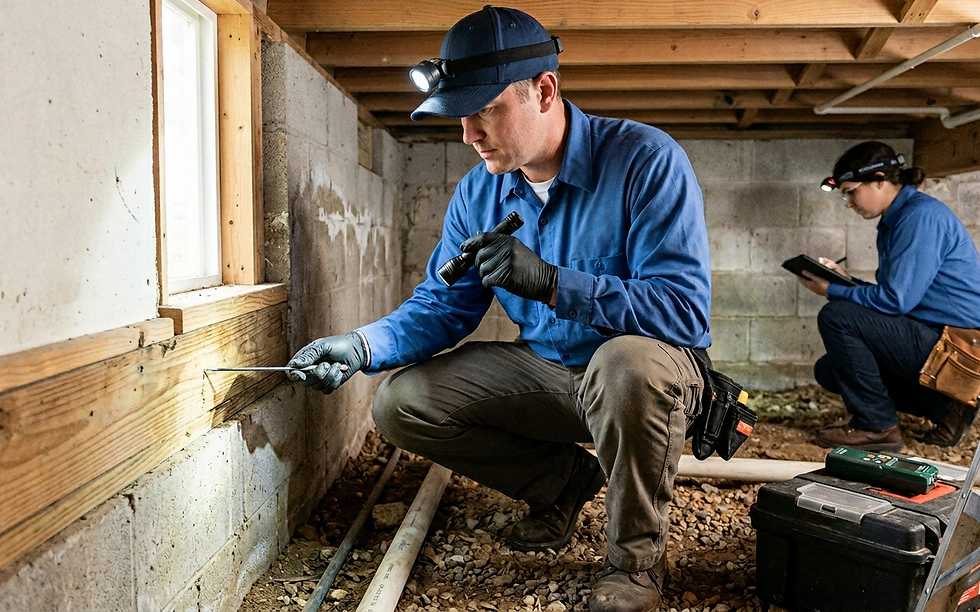
A professional pest inspection is a thorough evaluation of your home and surrounding property.
During an inspection, technicians typically:
Inspect interior areas such as kitchens, basements, and attics
Check for signs of termites and wood damage
Examine crawl spaces and foundations
Identify entry points where pests can enter
Look for nests or colonies outside the home
Provide recommendations for treatment and prevention
These inspections provide valuable insights into the condition of your property and potential pest risks.
How Often Should You Schedule Pest Inspections?

Experts generally recommend scheduling pest inspections at least once or twice per year.
However, certain homes may require more frequent inspections depending on factors such as:
Location and climate
Nearby vegetation or wooded areas
History of pest infestations
Age and condition of the property
Spring inspections are especially important because they help identify pest activity at the start of the season.
Schedule Your Pest Inspection Before Spring
Spring is one of the busiest seasons for pest activity. By scheduling a pest inspection before the season begins, you can protect your home, prevent infestations, and avoid costly repairs.
Taking action now ensures your home stays safe, clean, and pest-free throughout the year.
Frequently Asked Questions
Why should I schedule a pest inspection before spring?
Scheduling a pest inspection before spring helps detect hidden pests, prevent infestations, and identify entry points before pests become more active in warmer weather.
What pests are most common in spring?
Common spring pests include ants, termites, spiders, rodents, mosquitoes, and wasps. Many of these pests become active and begin reproducing as temperatures rise.
How long does a pest inspection take?
Most professional pest inspections take between 30 minutes and 2 hours depending on the size of the property and the areas being inspected.
Are pest inspections necessary if I don’t see pests?
Yes. Many pests remain hidden inside walls or crawl spaces. Inspections help detect early infestations before visible signs appear.
How often should pest inspections be done?
Most experts recommend scheduling pest inspections at least once or twice per year, especially before spring when pest activity begins increasing.
Protect Your Home with Professional Pest Control
If you want to stay ahead of pest problems, scheduling an inspection before spring is one of the smartest steps you can take. Preventive pest control helps detect hidden infestations, stop pests from multiplying, and protect your home from costly damage.
For professional pest control services, inspections, and preventive treatments, visit Attack Pest Control
Their experienced team provides reliable pest control solutions to help keep your home safe and pest-free all year long.

Comments