.png)
Missed Signs and Late Detection: Why Termite Infestations Go Unnoticed for Too Long
- Feb 5
- 5 min read
Updated: May 20
Termite damage rarely starts with a dramatic collapse or a giant hole in the wall.
It starts quietly.
A little chewing inside a beam. A thin mud tube along the foundation. A few discarded wings near a window.
And most homeowners don’t think twice about it.
By the time the problem becomes obvious, the infestation may have been active for months — sometimes even years. That’s when repair costs skyrocket, stress levels rise, and structural damage becomes serious.
So why does late termite detection happen so often?
Let’s break down the real reasons homeowners miss the early signs of termite infestation — and what you can do to protect your home before it gets worse.
Why Termites Are So Hard to Detect Early

The biggest reason termite infestations go unnoticed is simple:
They’re designed to stay hidden.
Unlike ants or roaches, termites don’t roam openly across your kitchen floor. Subterranean termites, the most common type, live underground and travel inside walls, crawl spaces, and wooden structures. They avoid light and open air whenever possible.
By the time visible damage appears, the colony has usually been active for a long time.
That’s why early termite detection requires knowing what to look for — and understanding that the signs are often subtle.
The Most Common Missed Signs of Termite Infestation in Homes

Most missed infestations aren’t due to negligence. They’re missed because the warning signs are easy to dismiss.
Here are the signals homeowners commonly ignore:
1. Hollow-Sounding Wood
Tap on a baseboard, door frame, or wooden beam.
If it sounds hollow, there’s a reason.
Termites eat wood from the inside out, leaving a thin outer layer intact. From the outside, everything may look normal. Inside, the structure could be compromised.
Many homeowners assume the wood is just old or poorly installed — but hollow wood is one of the classic early signs of termite infestation.
2. Bubbling or Peeling Paint
Bubbling paint is often blamed on moisture or humidity.
And sometimes that’s true.
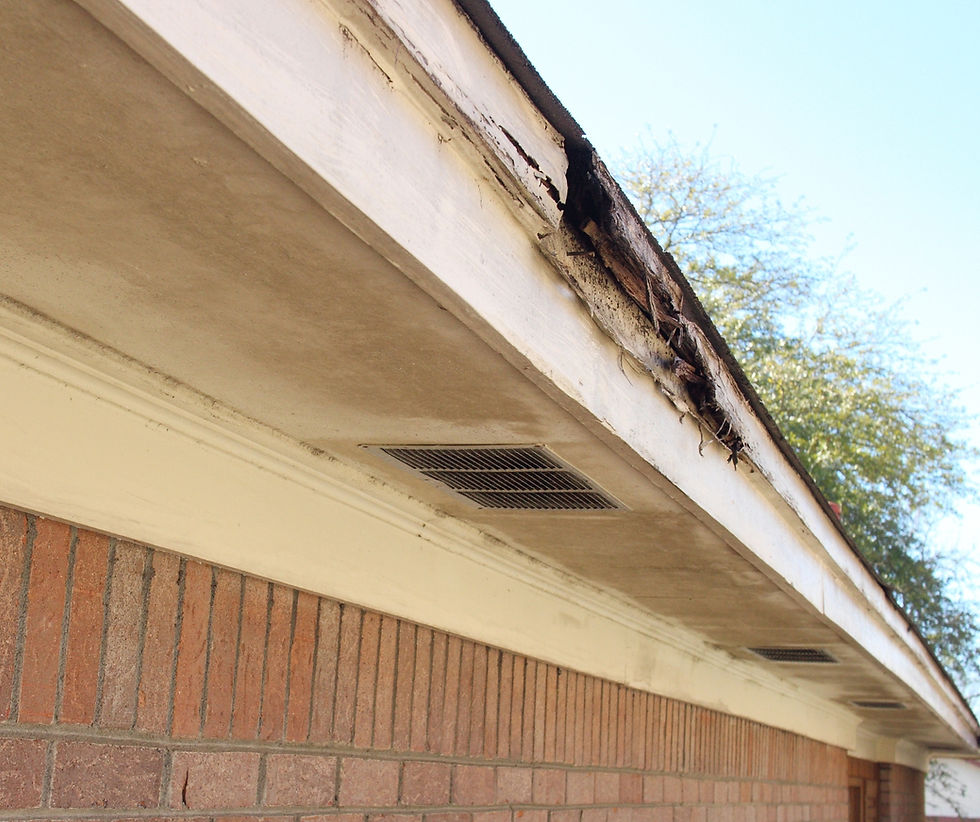
But termite activity beneath the surface can create similar symptoms. As termites tunnel through wood, moisture builds up internally, causing paint to bubble, crack, or peel.
If there’s no obvious plumbing issue nearby, it’s worth investigating further.
3. Discarded Wings Near Windows
Termite swarmers — the reproductive members of a colony — leave their nests to start new colonies. After they land, they shed their wings.
Homeowners often sweep up these tiny wings without realizing what they are.
Finding discarded wings indoors is a strong indicator that termites may already be inside your home.
4. Mud Tubes Along the Foundation
Subterranean termites build pencil-sized mud tubes to travel safely between their underground colony and their food source.
These tubes are often found:
Along foundations
In crawl spaces
On garage walls
Near exterior siding
Many people mistake them for dirt streaks and ignore them.
Mud tubes are never “just dirt.” They are active termite highways.
5. Doors and Windows Suddenly Sticking
When termites damage wooden frames, the structure can shift slightly.
You may notice:
Doors that no longer close properly
Windows that suddenly stick
Subtle warping in trim
Homeowners often blame humidity or normal house settling. While that can sometimes be the cause, structural termite damage can create the same symptoms.
Why Late Detection Happens So Often

Understanding the warning signs is important — but it doesn’t fully explain why so many infestations go undetected.
Here’s what really causes late termite detection.
1. The Damage Is Hidden Inside Walls
Unlike visible roof leaks or broken plumbing, termite damage usually occurs inside walls, beams, and subflooring.
You don’t see it happening.
By the time drywall cracks or wood crumbles, significant internal damage may already exist.
2. The Signs Mimic Common Household Issues
This is one of the biggest reasons infestations go unnoticed.
Termite signs look like:
Water damage
Normal aging wood
Seasonal humidity effects
Minor cosmetic wear
Because the symptoms overlap with everyday home issues, many homeowners assume the safest explanation instead of the most serious one.
3. No Regular Termite Inspections
Most people only call a pest control company when they see a problem.
But termites don’t always make themselves obvious.
Without regular professional termite inspections, early activity can continue undetected for long periods. Preventive inspections are often the difference between a small treatment and a large structural repair.
4. “It Won’t Happen to Me” Thinking
Many homeowners assume termite infestations happen to neglected homes.
That’s simply not true.
Even well-maintained homes are at risk, especially in areas where termites are common. Soil conditions, moisture levels, landscaping, and even nearby construction can increase termite activity.
Termites don’t discriminate.
The Real Cost of Late Termite Detection

Ignoring early signs for even one year can lead to serious consequences.
Here’s what late detection can mean for your home:
Structural Repairs
Termites can damage:
Support beams
Floor joists
Wall studs
Roof framing
Repairing structural damage often costs far more than early termite treatment.
Reduced Property Value
If you plan to sell your home, termite damage can delay transactions or reduce buyer confidence. Many real estate transactions require termite inspections before closing.
Discovering active termites during escrow can complicate everything.
Insurance Limitations
Most homeowner insurance policies do not cover termite damage. That means repair costs typically come out of pocket.
Prevention and early detection are far more affordable than major restoration.
Stress and Disruption
Beyond financial costs, severe termite damage can disrupt daily life. Major repairs may require:
Opening walls
Replacing flooring
Temporary relocation in extreme cases
Early termite treatment avoids most of this disruption.
Why Professional Termite Inspection Matters

DIY checks can help you spot obvious warning signs, but they don’t replace a professional termite inspection.
Trained technicians know where termites hide.
They inspect:
Crawl spaces
Foundations
Attics
Interior framing
Exterior wood contact points
They also look for subtle evidence most homeowners wouldn’t recognize.
Early detection through professional inspection can mean the difference between minor treatment and major reconstruction.
How to Reduce Your Risk of Missed Termite Damage
While professional inspections are key, there are proactive steps you can take:
Keep wood and mulch away from your foundation
Repair leaks quickly to reduce moisture
Avoid wood-to-soil contact
Monitor for mud tubes or discarded wings
Schedule annual termite inspections
Being proactive significantly lowers the chance of severe infestation.
Don’t Wait Until the Damage Is Obvious

The most expensive termite problems usually start as small, unnoticed issues.
A little hollow wood. A few wings on the windowsill. A sticking door.
By the time the damage becomes visible and undeniable, the infestation has often been active for months.
If you’ve noticed any of the warning signs discussed here — or if it’s been years since your last termite inspection — now is the time to act.
Attack Pest Management specializes in thorough termite inspections and effective termite treatment designed to eliminate infestations at the source. Our team understands how to detect hidden termite activity before it causes severe structural damage.
Protect your home. Protect your investment.

Comments