.png)
How Termites Thrive Undetected for Months (or Years)
- Oct 16, 2025
- 4 min read
Updated: May 20

You’d think you’d notice if something was quietly eating your home from the inside out — but with termites, that’s rarely the case. These pests are stealthy, organized, and can cause thousands of dollars in damage long before you ever see them.
In this post, we’ll explain how termites manage to thrive undetected for months (or even years), the signs homeowners miss, and how Attack Pest Management can help protect your property before the damage begins.
Why Termites Are So Hard to Detect
Termites don’t make noise, rarely come into the open, and often live deep within the wood or soil surrounding your home. Their colonies are built to stay hidden — a survival strategy that has evolved over millions of years.
Termite damage often goes unnoticed until the infestation has caused serious structural issues. Unlike ants or roaches, they stay concealed, feeding silently behind walls, under floors, and within beams.

1. Living in the Shadows: How Termites Stay Hidden
Termites live in complete darkness — and they prefer it that way. There are three main types found in homes:
Subterranean Termites – Build underground nests and travel through mud tubes.
Drywood Termites – Live completely inside wood structures.
Dampwood Termites – Thrive in moist, decaying wood.
Each species finds clever ways to avoid detection. Subterranean termites, for example, construct mud tunnels that allow them to move safely from soil to your foundation without exposure to air or light.
Learn more about termite species at the National Pest Management Association.
2. Termites Never Sleep
One reason termites are so destructive is their nonstop eating schedule. They feed 24 hours a day, every single day of the year.
A large colony can have hundreds of thousands of termites, meaning damage accumulates quickly — even when you can’t see it. Over time, the wooden support beams inside your walls can become hollow, weakening the structure of your home.

3. Why You Don’t See or Hear Them
Termites are often called “silent destroyers” for good reason. They make little to no noise, and they work in hidden areas like basements, crawl spaces, and attics.
Occasionally, homeowners may hear faint clicking sounds — soldier termites tapping their heads to warn others of danger — but by then, the infestation is usually well underway.
Their tunnels and galleries are hidden behind drywall or inside beams, meaning visible signs may take months or years to appear.
4. Moisture: The Secret Ingredient for Hidden Activity
Moisture problems make your home more inviting to termites — and harder to inspect properly. Leaky pipes, poor drainage, or clogged gutters create the damp conditions subterranean termites love.

5. Subtle Warning Signs You Might Be Missing
While termites work silently, they do leave behind small traces. Watch for these early indicators:
Hollow-sounding wood when tapped
Mud tubes along your home’s foundation
Bubbling or peeling paint (moisture buildup)
Tiny piles of sawdust-like pellets (termite droppings)
Discarded wings from swarming termites
Unfortunately, many homeowners mistake these for water damage or simple wear and tear. That’s why regular inspections from professionals like Attack Pest Management are essential for early detection.
6. How Long Can Termites Go Unnoticed?
In some cases, termites can live undetected for years.
Termite Type | Time Undetected | Typical Damage |
Subterranean | 6–12 months | Weakens foundations, floors, framing |
Drywood | 1–3 years | Internal damage to furniture and walls |
Dampwood | 4–8 months | Often hidden in basements and wet wood |
A colony can silently consume wood at an alarming rate — about one pound every few weeks in larger infestations.
The University of California’s Integrated Pest Management Program confirms that homeowners often don’t notice until the damage becomes visible or doors and windows stop closing properly.
7. Why DIY Termite Treatments Don’t Work
It’s tempting to try sprays or traps when you first suspect termites — but these solutions rarely reach the main colony, which may be buried several feet underground or deep within wood.
DIY methods might kill visible termites, but professional termite treatments target the source, stopping colonies at the root.
Attack Pest Management uses proven inspection and treatment systems designed to detect even hidden colonies, protecting your property long-term.

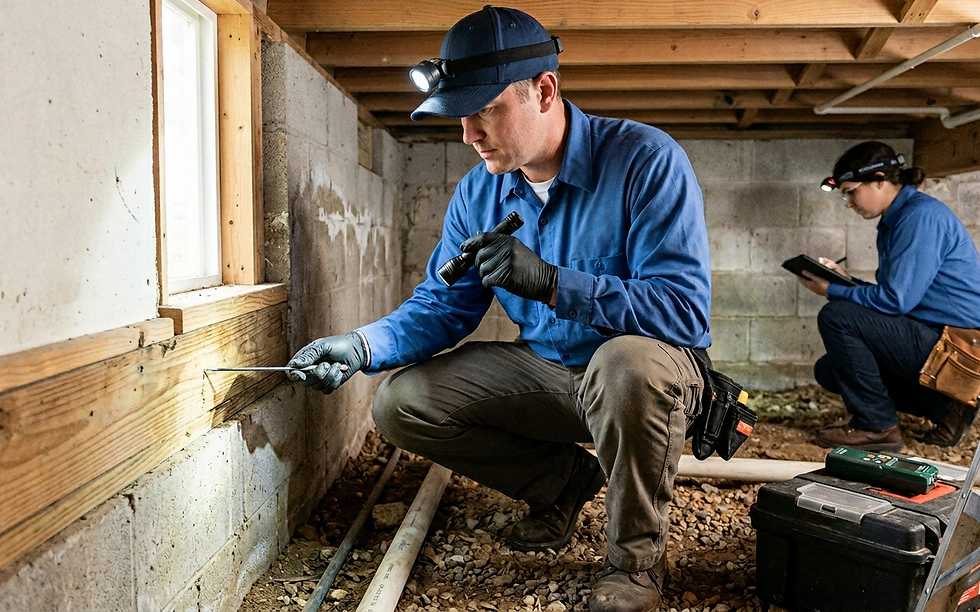
8. Why Professional Termite Inspections Are Worth It
Even if you don’t see evidence of termites, annual inspections are one of the best investments you can make in your home’s safety.
A professional termite inspection includes:
Checking attics, crawl spaces, and baseboards
Detecting hidden mud tubes and tunnels
Identifying moisture problems
Recommending customized solutions
Schedule your inspection today with Attack Pest Management. Our team uses advanced detection tools and decades of experience to find what the naked eye can’t.
9. Long-Term Protection: Keep Termites from Coming Back
Once an infestation is treated, prevention becomes the priority. Here’s how to avoid another attack:
Fix any water leaks immediately.
Keep gutters clear and drainage away from your home.
Avoid stacking wood or mulch against exterior walls.
Schedule annual termite inspections to catch problems early.
Frequently Asked Questions
1. How long can termites stay hidden inside a home?
Sometimes for up to three years, depending on the species and moisture levels.
2. Are termites active all year?
Yes. Even during winter, indoor heating keeps colonies active.
3. What’s the first visible sign of termites?
Mud tubes or discarded wings near windows are common early indicators.
4. Can I hear termites inside my walls?
Only in advanced infestations — faint clicking or tapping may occur.
5. How often should I get a termite inspection?
Once a year is ideal, but twice a year is best in high-risk areas.
6. Are termites covered by homeowner’s insurance?
Usually not. Most insurance policies classify termite damage as “preventable.”
7. How do I know if termites are gone?
Only a professional inspection can confirm elimination — schedule yours with Attack Pest Management.
Termites are experts at staying hidden — and that’s exactly why they’re so destructive.
They can quietly eat away at your home for months or years, causing serious structural issues and costly repairs.
Don’t wait for visible signs to appear. Schedule a professional inspection and protect your property with the experts who know exactly what to look for.
Stop Termites Before They Do Real Damage
If you suspect termites or just want peace of mind, contact Attack Pest Management today.📞 Call 626-915-1111 or visit👉 Attack Pest Control
Our trusted team offers detailed inspections, effective treatments, and long-term termite protection for homes across Southern California.


Comments