.png)
How Landscaping Mistakes Attract Termites to Your Property
Updated: May 20

Before diving into mistakes, it helps to understand why termites love certain environments. These pests thrive on three simple things:
Moisture (from overwatering, leaks, or poor drainage)
Cellulose (wood, mulch, dead trees)
Shelter (thick shrubs, stumps, debris)
When your landscaping accidentally provides all three, you’ve basically rolled out the red carpet for termites.

According to Sentricon, even small exterior issues like mulch depth and improper plant placement can become hidden gateways for termite colonies to invade your home.
1. Using Mulch Too Close to Your Foundation
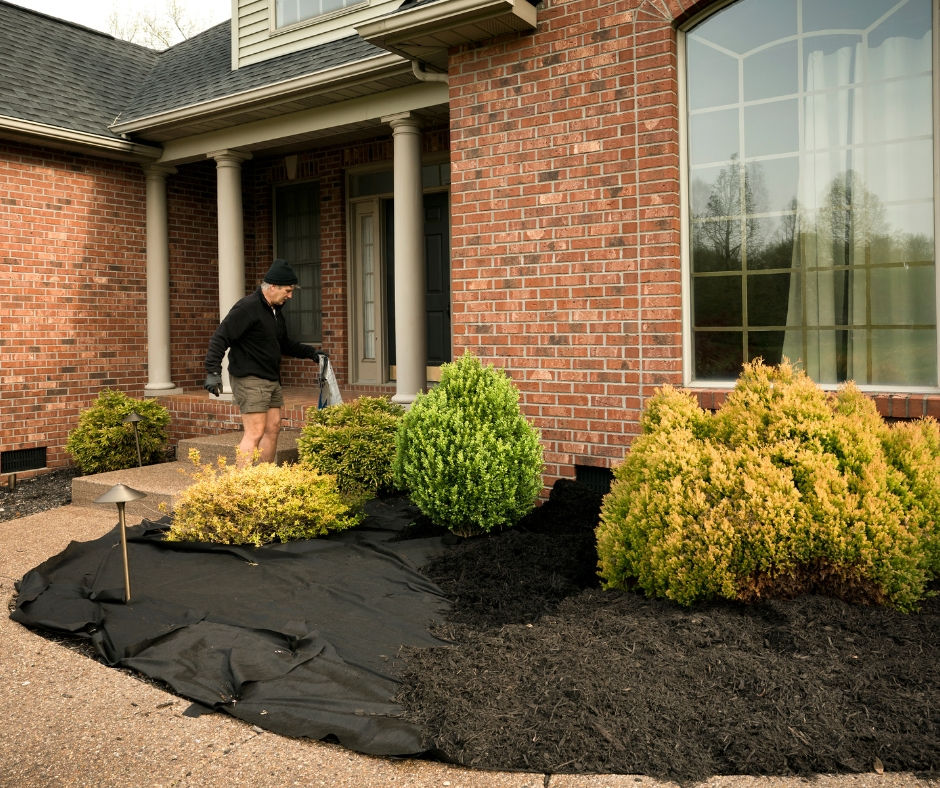
Organic mulch helps your plants thrive — but it also helps termites survive. Termites love the moist, shaded environment under mulch, especially when it’s placed right up against your walls.
Keep at least 6–12 inches of space between your mulch and the foundation.
Avoid piling mulch too thick (no more than 2–3 inches).
Refresh it periodically to prevent decay and compaction.
If you want to reduce risk, switch to non-cellulose options like gravel or crushed rock. You can read more about this from Mighty Mite Termite Services — a reliable national pest education source.
2. Firewood and Wooden Furniture Touching the Soil
Stacking firewood or placing wooden benches directly on the ground is a huge invitation for termites. They can easily travel from the soil into the wood — and eventually into your home.
What to do:
Store firewood at least 20 feet from your house, raised off the ground.
Use concrete or metal supports for wooden garden beds or furniture.
Avoid wooden planters that sit flush on soil.
Experts from Tom’s Guide also warn that moisture-soaked outdoor furniture can quickly turn into termite nesting material.
3. Overwatering and Poor Drainage
Termites are drawn to damp soil. Overwatering your garden, having poor grading, or allowing puddles near your walls can all increase termite activity. According to Hi-Tech Termite Control, excess moisture is one of the most common reasons homes experience termite re-infestation after treatment.
Prevention tips:
Direct downspouts at least 3–5 feet away from your foundation.
Check sprinklers — make sure they’re not spraying the walls.
Fix leaky faucets, gutters, or pooling soil immediately.
4. Dense Shrubs and Plants Touching Your Walls
Thick vegetation traps humidity and blocks sunlight, creating perfect termite shelter. When shrubs or vines touch your walls, they also serve as “bridges” for termites to crawl into the structure.
Smart landscaping tips:
Maintain 2–3 feet of clearance between plants and your home.
Trim shrubs regularly to improve airflow.
Use decorative gravel instead of mulch right next to exterior walls.
The U.S. Department of Agriculture (USDA) notes that reducing plant contact with structural surfaces is one of the simplest yet most effective termite prevention methods.
5. Leaving Tree Stumps, Dead Roots, or Debris
Dead trees and stumps might seem harmless, but to termites, they’re a long-term buffet. Colonies can live inside old wood for years before spreading toward your house.
What to do:
Remove tree stumps right after cutting.
Clear away decaying wood, branches, and old lumber.
Avoid burying wood waste or old construction materials in the yard.
You can learn more about why removing stumps matters from Big Blue Bug Solutions’ guide.

6. Using Untreated Wood Edging or Railroad Ties
Wooden edging looks nice — but it’s often untreated and in direct contact with soil, making it an easy target for termites.
Better alternatives:
Stone, metal, or concrete borders.
If you must use wood, choose pressure-treated lumber or composite materials.
Inspect these borders yearly for rot or mud tubes.
As noted by Sentricon, replacing wood with non-cellulose materials around landscaping beds can cut termite risk dramatically.
7. Ignoring Changes That Disturb Termite Barriers
If your home has been treated for termites before, your pest control team likely applied a soil barrier or liquid treatment. Landscaping projects like digging trenches, installing irrigation, or re-grading soil can damage that barrier.
Tip: Before any major landscaping work, contact your termite specialist (like Attack Pest Control) to re-inspect or re-treat affected areas. It’s an easy step that can save thousands in potential damage.
8. How These Landscaping Mistakes Attract Termites (The Science)
It all comes down to three key factors:
Factor | What It Does | Result |
Moisture | Softens wood and keeps soil damp | Ideal for termite survival |
Cellulose | Provides a constant food source | Supports colony growth |
Shelter | Hides colonies from sunlight & predators | Makes infestations hard to detect |
When all three are present, your landscape becomes the perfect termite ecosystem. Even a well-sealed home can fall victim once these exterior conditions develop.
9. Best Landscaping Practices to Keep Termites Away
Here are expert-recommended ways to landscape smart and stay termite-free:
Use gravel or stone mulch near foundations.
Elevate decks, planters, and furniture using metal supports.
Maintain good yard drainage and slope away from the house.
Keep shrubs pruned and debris cleared.
Inspect your yard quarterly, especially after the rainy season.
10. When to Call a Termite Professional
DIY landscaping changes can help — but professional inspection is key. Termites can burrow deep underground and remain undetected for months.
If you suspect termite activity, contact your trusted experts at Attack Pest Control for a comprehensive termite inspection and treatment plan. We’ve served Southern California for decades with proven methods and long-term protection systems.
Frequently Asked Questions
1. How often should I schedule termite inspections?
At least once a year, or every six months if you live in a high-risk area like Southern California. Learn about our inspection process here.
2. Can synthetic mulch still attract termites?
While termites don’t eat synthetic mulch, the moisture it traps can still draw them underneath.
3. What’s the best mulch to use around the house?
Gravel, rubber, or rock mulch are safest near the foundation.
4. How far should firewood be stored from the home?
Keep it 15–20 feet away, and raised at least 8 inches off the ground.
5. Can certain plants repel termites?
Yes — vetiver grass and lemongrass naturally deter termites. Read more at Hi-Tech Termite Control.
6. Does termite treatment need to be redone after yard renovation?
Usually, yes. Any disturbed soil may need re-treatment — schedule a check-up here.
7. How do I tell if termites are in my yard? Look for mud tubes on walls, hollow wood sounds, or swarming insects. Learn the signs on our Termite Control page.
Related Reading
If you found this helpful, check out another informative article:
The Benefits of Partnering with a Local, Experienced Termite Expert
This post explains why choosing a trusted local termite company makes all the difference in long-term protection.
Final Thoughts
Your yard plays a bigger role in termite control than most homeowners realize. By avoiding these landscaping mistakes — and pairing your efforts with professional inspections and treatments — you can protect your home inside and out.

Protect Your Home the Smart Way
Don’t wait for termites to find your property — take action today. Call Attack Pest Control at 626-915-1111 or visit👉 Attack Pest Control
Our experienced team offers detailed inspections, targeted termite treatments, and long-term protection plans for homes across Southern California.
Let’s keep your property — and your peace of mind — termite-free, one smart landscaping decision at a time.


Comments