.png)
Why Cosmetic Repairs Won’t Fix Hidden Termite Damage
Many homeowners believe that repainting walls, replacing damaged trim, or patching cracks is enough to solve termite-related issues. Unfortunately, cosmetic repairs only hide the visible symptoms while the real damage continues underneath the surface.
Termites are known as “silent destroyers” because they work behind walls, under floors, and inside wooden structures where homeowners often cannot see them. By the time cosmetic damage appears, termites may already have caused serious structural problems inside the home.
Painting over termite stains or replacing damaged wood without addressing the infestation is like covering a leaking pipe without repairing the source. The problem does not disappear — it simply gets worse over time.
At Attack Pest Control, homeowners receive professional termite inspections and treatment services designed to locate hidden infestations and stop termite damage at the source.
Why Hidden Termite Damage Is Dangerous

Termites feed on wood continuously, weakening structures from the inside out. What makes termite damage especially dangerous is that much of it remains hidden until major repairs are necessary.
According to Orkin’s termite damage guide, termites can hollow out wood internally while leaving the outer surface looking mostly intact.
This means homeowners may see only:
Small wall cracks
Bubbling paint
Minor wood discoloration
Loose trim
Sagging floors
Meanwhile, termites may already be damaging:
Structural beams
Floor supports
Wall framing
Ceilings
Cabinets
Wooden foundations
Cosmetic repairs may temporarily improve appearance, but they do not stop termites from continuing to spread inside the property.
Why Painting Over Termite Damage Does Not Work

One common mistake homeowners make is repainting damaged areas without investigating the cause. Bubbling paint, discoloration, or warped walls are often signs of deeper termite activity.
According to Terminix termite warning signs, paint damage caused by termites is usually related to moisture buildup and tunneling beneath surfaces.
Fresh paint may cover the visible damage temporarily, but:
Termites continue feeding behind the wall
Moisture issues remain
Structural damage worsens
Repairs become more expensive later
If termites remain active, cosmetic fixes simply delay proper treatment while the infestation grows larger.
Replacing Damaged Wood Alone Is Not Enough
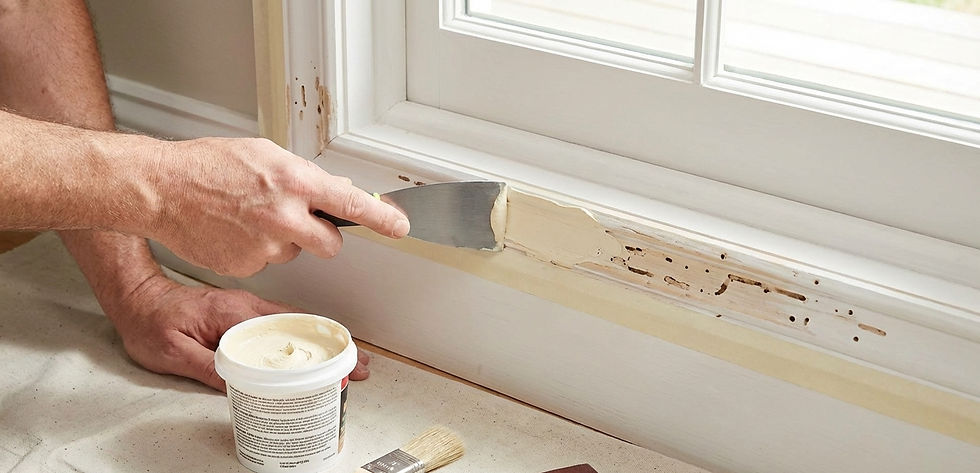
Some homeowners replace damaged wood trim, flooring, or cabinets without eliminating the termite colony first. This approach often leads to repeated damage because termites remain active elsewhere in the home.
According to Western Exterminator termite prevention guide, termites can spread into multiple hidden areas long before visible damage appears.
Replacing visible wood does not solve:
Hidden colonies
Nesting areas
Moisture problems
Entry points
Underground activity
Without professional treatment, termites may simply move into newly repaired wood.
Hidden Termite Damage Can Spread Throughout the Home

Termites rarely stay in one isolated location. Once a colony becomes established, termites can travel through walls, crawl spaces, attics, and flooring systems.
Areas commonly affected include:
Wall Voids
Termites often tunnel through wooden framing hidden behind drywall.
Flooring Systems
Subflooring and floor supports are common termite targets because they provide constant access to wood and moisture.
Attics and Roof Structures
Some termite species spread upward into roof framing and attic wood.
Kitchen and Bathroom Cabinets
Moisture-rich areas attract termites and increase infestation risks.
Wooden Decks and Outdoor Structures
Exterior wood damage may eventually spread into the main structure of the home.
Cosmetic repairs only address what homeowners can see, not the hidden pathways termites continue using.
Why Professional Termite Inspections Matter

Termite infestations often require trained professionals to identify the full extent of the damage.
Professional inspections help locate:
Hidden termite colonies
Structural weaknesses
Moisture sources
Entry points
Active feeding areas
Damage behind walls and floors
At Attack Pest Control termite services, termite specialists use professional inspection methods to uncover hidden activity before the damage becomes even more severe.
Signs Cosmetic Repairs May Be Covering a Bigger Problem
Homeowners should watch for recurring signs even after repairs are completed.
Paint Keeps Bubbling or Cracking
Recurring paint issues may indicate termites are still active underneath the surface.
Floors Feel Soft or Uneven
Weak subflooring caused by termites can create sagging or unstable floors.
Doors and Windows Suddenly Stick
Warped wood and hidden damage may affect alignment throughout the home.
Wood Sounds Hollow
Termites consume wood internally, leaving hollow spaces inside support structures.
Small Holes or Mud Tubes Appear
Visible mud tubes or tiny holes may indicate ongoing termite activity.
If these problems continue returning after cosmetic repairs, professional termite treatment
should be scheduled immediately.
The Financial Risk of Ignoring Hidden Damage
Cosmetic repairs may seem cheaper initially, but ignoring hidden termite activity usually leads to much larger expenses later.
According to This Old House termite repair article, severe termite damage can require extensive structural repairs costing thousands of dollars.
Potential costs may include:
Floor replacement
Structural beam repairs
Wall reconstruction
Ceiling repairs
Cabinet replacement
Foundation stabilization
The longer termites remain untreated, the more expensive repairs typically become.
Cosmetic Fixes Can Delay Proper Treatment
One major danger of cosmetic repairs is that they create a false sense of security. Homeowners may believe the issue is resolved while termites continue spreading behind walls.
This delay allows:
Colonies to grow larger
Damage to spread further
Repair costs to increase
Structural safety risks to worsen
Professional termite treatment targets the root cause instead of simply hiding the symptoms.
Why Moisture Problems Often Make Termite Damage Worse
Many termite infestations are connected to excess moisture around the home.
Common moisture sources include:
Leaking pipes
Roof leaks
Poor drainage
Damp crawl spaces
Condensation buildup
According to EPA moisture control guidelines, controlling moisture is critical for preventing structural damage and pest problems.
Painting over water stains or replacing damaged trim without fixing moisture problems often creates ideal conditions for termites to continue thriving.
How Professional Termite Treatment Solves the Real Problem

Professional termite control focuses on eliminating the infestation itself, not just repairing visible damage.
Treatment plans may include:
Full termite inspections
Colony elimination
Bait systems
Liquid treatments
Wood treatments
Moisture control recommendations
Preventive monitoring
Once termites are eliminated, homeowners can safely move forward with cosmetic and structural repairs.
Why Early Action Saves Money
The earlier termite activity is detected, the easier it is to control the infestation before severe structural damage develops.
Fast action can help:
Reduce repair costs
Protect property value
Prevent structural weakening
Avoid recurring damage
Improve long-term home safety
Waiting too long often transforms small cosmetic issues into major reconstruction projects.
Don’t Cover the Problem — Fix It Properly
Cosmetic repairs may temporarily improve appearance, but they will never stop termites hidden inside your home. Without professional inspection and treatment, termites continue feeding behind walls, floors, and structural supports.
If you notice recurring wall damage, bubbling paint, soft wood, or other signs of termite activity, it’s important to address the source before the damage worsens.
Frequently Asked Questions
Can repainting walls stop termite damage?
No. Repainting walls only hides visible damage temporarily. If termites remain active behind the walls, they will continue causing structural damage.
Why does termite damage often stay hidden?
Termites typically feed inside wood, walls, floors, and crawl spaces where homeowners cannot easily see them. Visible damage often appears after the infestation has already spread.
Can termites return after cosmetic repairs?
Yes. If the termite colony is not professionally eliminated, termites may continue damaging repaired areas or spread into new parts of the home.
What are signs of hidden termite damage?
Common signs include bubbling paint, hollow wood, sagging floors, sticking doors or windows, mud tubes, and recurring wall cracks.
Is termite damage expensive to repair?
Yes. Severe termite damage may require costly structural repairs, floor replacement, wall reconstruction, and support beam repairs.
Should I replace damaged wood before termite treatment?
It is usually best to eliminate the termite infestation first. Replacing wood before treatment may allow termites to continue damaging the new materials.
Protect Your Home From Hidden Termite Damage
Cosmetic repairs alone cannot solve hidden termite infestations. The safest and most cost-effective solution is professional termite inspection and treatment that targets the source of the problem.
If you suspect termite activity in your home, contact Attack Pest Control for professional termite inspection and treatment services. Their experienced team helps homeowners identify hidden damage, eliminate termite colonies, and protect their homes from costly future repairs.


Comments