.png)
When Home Inspections Miss Termites: What Buyers Need to Know
- Jan 8
- 2 min read
Updated: May 20
Buying a home is one of the biggest investments you’ll ever make. While a general home inspection is an important step in the process, many buyers don’t realize that standard inspections don’t always catch termite problems. Unfortunately, termites can cause serious structural damage long before there are obvious signs.
Understanding what home inspections typically include — and what they often miss — can help buyers protect themselves from unexpected repairs after closing.
Why Termite Inspections for Home Buyers Are Often Overlooked

Most general home inspections focus on visible and accessible areas of a property. Inspectors look for obvious structural issues, electrical concerns, plumbing problems, and roof conditions. Termites, however, are experts at staying hidden.
They often live and feed inside walls, under flooring, within wooden framing, or deep in the soil. If there are no clear surface signs, termite activity can go completely unnoticed during a routine inspection.
What Standard Home Inspections Usually Don’t Cover
A typical home inspection may miss:
Hidden termite colonies inside walls or foundations
Early-stage infestations with no visible damage
Subterranean termites active below ground
Past termite damage that wasn’t properly treated
Conditions that attract termites, such as moisture buildup or wood-to-soil contact
Because termite inspections require specialized training and tools, they are often a separate service.
Signs Buyers Should Watch for — Even After an Inspection
Even if a home inspection looks good, buyers should stay alert for warning signs such as:
Mud tubes along foundations or walls
Hollow-sounding wood
Peeling paint that looks like water damage
Small piles of discarded wings near windows or doors
Soft or sagging floors
If any of these appear, it’s important to act quickly.
Why a Dedicated Termite Inspection Matters
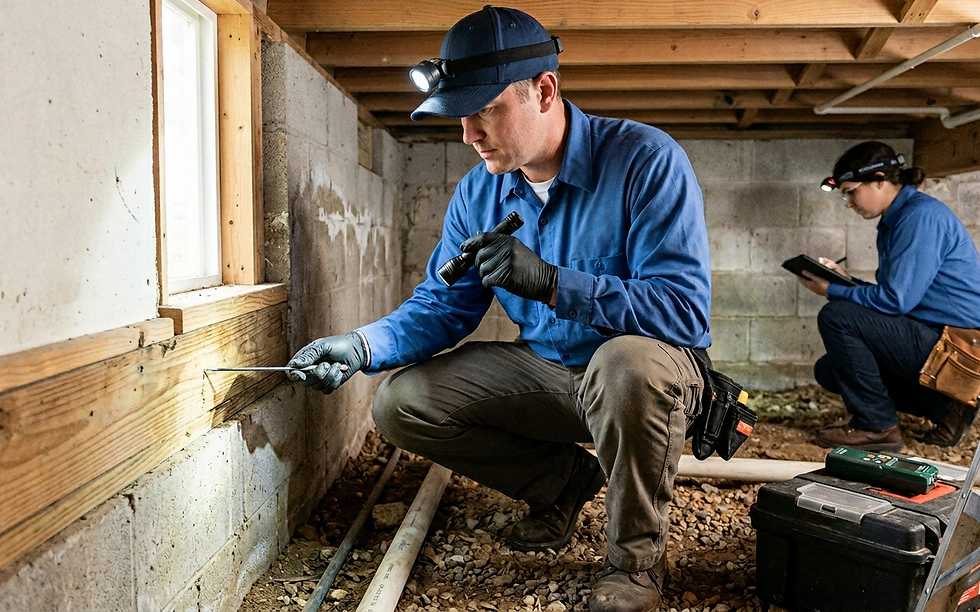
A professional termite inspection is designed specifically to detect active infestations, past damage, and conditions that may lead to future problems. Licensed termite specialists know where to look and how to identify subtle signs that general inspections often miss.
For buyers, this extra step can provide peace of mind and leverage during negotiations if treatment is needed before closing.
Termites Can Be a Hidden Financial Risk
Termite damage can cost thousands of dollars to repair, and most homeowner insurance policies don’t cover it. Discovering an infestation after moving in can turn a dream purchase into a stressful and expensive situation.
Getting a termite inspection before finalizing a purchase helps ensure there are no hidden surprises waiting beneath the surface.
Protect Your Investment Before You Buy
When it comes to termites, what you can’t see can hurt you. Relying on a standard home inspection alone may leave you vulnerable to costly repairs down the line. A professional termite inspection adds an extra layer of protection and confidence for buyers.
For expert termite inspections and reliable termite control solutions, visit Attack Pest Control and protect your investment before termites become a problem.


Comments