.png)
The Role of Soil Treatments in Termite Control: What You Need to Know
- Jan 22
- 6 min read
Updated: 5 days ago
Termites are silent, relentless, and incredibly destructive. They don’t roar into a home like a storm — instead, they quietly chip away at structural wood, floor joists, furniture, and even insulation. By the time many homeowners notice anything wrong, the damage is already expensive, invasive, and avoidable.
One of the most effective ways to get ahead of termites isn’t just reacting when you spot them — it’s creating a protective barrier around your home before they arrive. That’s exactly where soil treatments for termite control come in.
Soil treatments have been a backbone of termite defense for decades, and thanks to improved science and environmentally conscious formulations, they remain one of the most trusted solutions for long-term protection. If you’re researching termite prevention or considering treatment options, this guide walks you through what soil treatments are, how they work, what types exist, and why they’re so effective.
Why Termites Target the Soil in the First Place

Most termites don’t start inside your walls — they start in the soil.
Subterranean termites, the most destructive species found in many parts of the United States, live underground. They build massive colony networks beneath the soil, then travel up into your home through mud tubes, cracks, or direct contact with wood.
The soil provides them with:
✔ Moisture
✔ Protection from predators
✔ Stable temperature
✔ Nesting space
✔ Direct access to structures
Once they establish a colony near the home’s foundation, they can chew through wood 24/7, often unnoticed for years. This is why soil is considered the front line of defense in termite control.
What Are Soil Treatments for Termite Control?
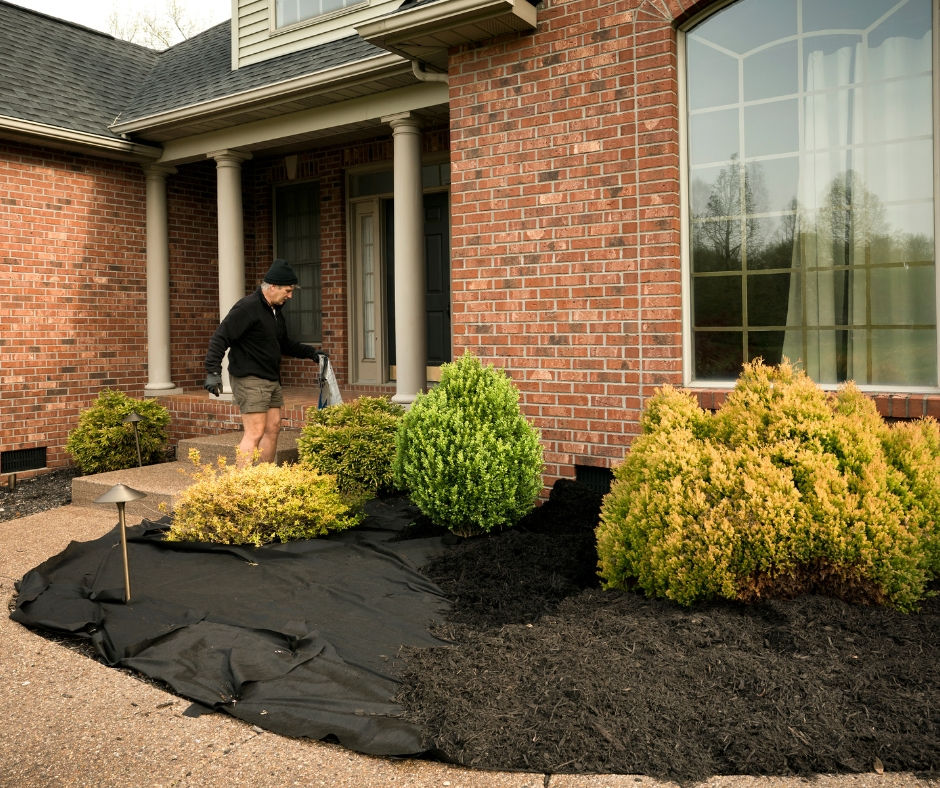
Soil treatments refer to the application of termiticides directly into the soil around — and sometimes under — a building. The goal is to create a protective chemical barrier that either repels or eliminates termites before they ever reach the structure.
Think of it like placing an invisible shield between your home and the termite colonies underground.
There are two primary treatment objectives:
Pre-construction protection – treating soil before the foundation is poured
Post-construction protection – applying termiticides around existing homes
Both have the same purpose: stop termites from traveling from the soil into the wood.
How Soil Treatments Actually Work

Modern soil treatments don’t operate like the harsh chemical solutions of decades past. Today’s products are engineered to be safer, longer-lasting, and more precise.
There are two main soil treatment mechanisms:
1. Repellent Barriers
These termiticides work like a force field — termites detect the chemical and avoid it.
They do not eliminate the colony
They prevent attacks by blocking access routes
Repellent treatments are especially useful in areas with high termite pressure, where blocking entry is the priority.
2. Non-Repellent (Transfer) Treatments
These have become more popular in recent years because termites cannot detect them.
Termites pass through treated soil
The termiticide attaches to their bodies
They bring it back to the colony
It spreads through grooming and feeding behavior
This process is called transfer effect, and it can eliminate entire termite colonies, not just the foraging workers.
When Soil Treatments Are Applied
Soil treatments offer strong protection during two critical stages of a building’s life:
✓ Pre-Construction Soil Treatments
Pre-construction treatments are done before a building is completed. The pest control team applies termiticides to the soil where the foundation, slab, and surrounding exterior will be built. This prevents termites from ever establishing contact with the structure.
Typical steps include:
Treating soil after excavation
Treating around footings and trenches
Treating under slab areas
Treating the exterior perimeter before landscaping
Builders love pre-construction treatments because:
They are easier to apply (no drilling or trenching)
They provide long-term protection
They help avoid future infestations and claims
✓ Post-Construction Soil Treatments
Post-construction treatments are done in existing homes. Since the structure is already built, technicians use:
Trenching
Rodding
Drilling through slabs or concrete when needed
These methods allow the termiticide to reach the soil where termites travel.
Homeowners typically choose post-construction treatments when:
There is an active infestation
A neighbor’s property has termites
They want long-term prevention
Their home is aging or moisture-prone
Types of Termiticides Used in Soil Treatments
Not all soil treatments are the same. There are three broad categories:
🔹 1. Repellent Liquid Termiticides
Examples: older pyrethroids
Termites sense the chemical and turn away. While effective as a barrier, they do not control the colony itself.
Best for:
Barrier protection
High-risk soil zones
Homes needing preventive shielding
🔹 2. Non-Repellent Liquid Termiticides
Examples: fipronil-based solutions (used by professionals)
These are undetectable to termites, which makes them one of the most effective tools available.
Benefits include:
No detection by termites
Colony elimination via transfer
Long-term soil stability
Many professionals prefer non-repellents because they offer more permanent results.
🔹 3. Environmentally-Conscious & Reduced-Risk Formulations
Modern termite control has shifted toward safer, lower-impact formulations that:
Are less harmful to non-target organisms
Break down naturally over time
Have low odor or no odor
Provide reliable control without excessive toxicity
This ensures protection without compromising health or environmental standards.
Why Soil Treatments Are So Effective

Soil treatments remain one of the most dependable termite solutions for several reasons:
✔ Termites Can’t Avoid the Soil
Since termites travel underground, they inevitably encounter treated areas. This gives soil treatments a natural advantage.
✔ Long-Term Durability
Depending on the product and soil conditions, treatments can provide protection for several years, offering peace of mind and cost-efficiency.
✔ Works for Both Prevention & Active Infestations
Whether you're trying to stop termites from entering or eliminate the colony that already found a way in, soil treatments can do the job.
✔ Minimal Disruption
Professionals apply soil treatments without major construction or modifications. There’s no need to tear down walls or replace flooring unless damage has already occurred.
Are Soil Treatments Safe?

This is a common concern for homeowners, especially families with pets or children.
Modern soil termiticides are:
Regulated by federal and state agencies
Labeled for professional use
Designed for stability in soil
Applied by trained and licensed experts
Low-odor and non-staining
Formulated to avoid unnecessary environmental exposure
As long as the treatment is performed properly, soil termiticides are considered safe and reliable.
Soil Treatment vs. Bait Systems: What’s the Difference?
While soil treatments create a barrier, termite bait systems work by luring termites into a slow-acting food source that spreads poison through the colony.
Here’s a quick comparison:
Solution | Best For | How It Works |
Soil Treatments | Immediate barrier & colony control | Chemical barrier blocks or eliminates termites |
Bait Systems | Colony elimination & monitoring | Termites eat bait → spread insect growth regulator |
Many homeowners choose a hybrid approach: soil treatments + bait stations for complete coverage.
Professional pest control providers often recommend a strategy based on:
Soil type
Termite species
Moisture levels
Home construction style
Environmental sensitivity
How Long Do Soil Treatments Last?
On average, modern soil treatments can protect a home from 5–10 years, depending on:
Type of termiticide
Soil moisture levels
Rainfall patterns
Landscaping activity
Construction design
Annual inspections are still recommended because early detection saves thousands in repairs.
Warning Signs of Termites (So You Don’t Wait Too Long)
Even with soil treatments, it’s smart to keep an eye out for these telltale signs:
✔ Mud tubes along walls or foundations
✔ Hollow-sounding wood
✔ Buckling floors or doors that don’t close
✔ Piles of insect wings near windowsills
✔ Peeling paint that resembles water damage
✔ Tiny pinpoint holes in drywall
✔ Visible termite swarmers (winged termites)
If you notice any of these, don’t wait — termite repairs often cost more than treatment itself.
Why DIY Soil Treatments Usually Don’t Work
Many homeowners try to save money by applying store-bought products, but termites are one of the rare cases where DIY almost always fails.
Here’s why:
❌ Over-the-counter products don’t penetrate deep enough
❌ DIY application can leave gaps in the barrier
❌ No access to professional-grade termiticides
❌ Misapplication can push termites deeper into the home
❌ You can’t drill through slabs or foundations properly
❌ No transfer effect to kill the colony
Professional termite control companies have:
Training and licensing
Injection and trenching equipment
Advanced non-repellent formulas
Moisture and soil evaluation tools
Years of experience
In termite control, skipping the professional route almost always becomes more expensive later.
Final Thoughts: Why Soil Treatments Should Be Part of Your Termite Defense Plan
Soil treatments are one of the smartest investments a homeowner can make. They create a long-lasting, invisible shield that:
✔ Stops subterranean termites at the source
✔ Protects the foundation and structure
✔ Saves thousands in potential repair costs
✔ Provides peace of mind for years
✔ Fits both new and existing homes
Termites don’t sleep, they don’t stop eating, and they don’t warn you when they arrive. The earlier you fortify your home — especially from underground — the better your chances of avoiding costly damage and stress.
Protect Your Home with Local Termite Experts
If you’re seeing signs of termites — or you simply want proactive protection — choosing a licensed, experienced pest control company matters. Professional soil treatments and inspections can make the difference between prevention and massive repairs.
Attack Pest Control offers reliable, long-lasting solutions for termite prevention and elimination, including soil treatments, bait systems, monitoring, and comprehensive termite inspections.
👉 Visit Attack Pest Control. Schedule an inspection, get expert recommendations, and protect your home before the damage begins.
Termites are silent — but your defense doesn’t have to be.


Comments