.png)
Termite Prevention for Older Homes: What Homeowners Need to Know About a Hidden Threat
- Jan 20
- 6 min read
Updated: May 20
There’s a certain magic to owning an older home. The details, the craftsmanship, the feeling that the house has lived a life before you — all of it contributes to its charm. But with that charm comes a part most homeowners don’t think about until it’s too late: the vulnerability of older homes to termite damage.
Termites are often lumped in with annoying pests like ants or spiders, but the truth is termites aren’t in the same category. They’re not just pests — they’re a structural threat. They quietly eat their way through framing, flooring, and foundation support, leaving homeowners with costly damage that insurance typically doesn’t cover.
If your house was built decades ago, understanding termite risk isn’t optional — it’s part of responsible homeownership. This guide breaks down why older homes are more susceptible, what early signs to watch for, and the best strategies to protect your investment for the long run.
Why Older Homes Are More Vulnerable to Termites

Many older homes were built before modern building codes, vapor barriers, and pressure-treated lumber became standard. Termites don’t care about history or nostalgia — they care about cellulose. And older wood offers plenty of it.
Here are the main reasons why older properties are at higher risk:
1. Older Wood Is Easier for Termites to Consume
Wood changes over time. It dries out, develops micro-cracks, and becomes easier for termites to break down. Houses built 40–80 years ago often have framing and trim that never received termite-resistant treatments, making them prime targets. When termites find wood that’s aged and unprotected, they settle in quickly.
2. Moisture Accumulates in Places You Don’t See
Plumbing leaks, slow roof drips, aging gutters, or damp crawl spaces may not seem like a big deal at first, but they create ideal conditions for termite colonies to thrive. Subterranean termites, in particular, require moisture to survive. Older homes often have original plumbing, imperfect drainage, or aging insulation — all factors that quietly support termite activity.
3. Cracks and Entry Points Develop Over the Years
A newer home might have tight seals and treated materials. Older homes settle, shift, and expand. Over time, this leads to small gaps in the foundation, siding, or around utility penetrations. Termites only need a space the width of a credit card to get in. Once inside, they can feed quietly for years.
4. Previous “Light Repairs” Can Cover Termite Damage Instead of Fixing It
Many older homes have seen renovations done by different owners over the decades. Some repairs are cosmetic rather than structural — drywall gets replaced, floors get refinished, trim gets repainted. Beneath those cosmetic updates, termites may have already carved tunnels through studs or joists. This makes inspections all the more important when buying or maintaining an older house.
The Termite Problem: Why You Rarely Catch It Early

Homeowners often imagine termite damage as something obvious — crumbled wood, collapsing frames, sagging floors. But those are the final stages. Termites don’t make noise, they don’t broadcast their presence, and they prefer to operate in dark, concealed places like walls, crawl spaces, and attics.
There are two main types of termites that affect older homes, especially in Southern
California:
Drywood Termites
Drywood termites don’t need soil moisture. They live directly inside the wood they consume — walls, floors, furniture, rafters. They leave behind dry, sand-like droppings (called frass), but unless you know what you’re looking at, you’d never guess it’s a warning sign.
Subterranean Termites
Subterranean termites live in the soil and build mud tubes to travel into your home. They’re common, aggressive, and capable of significant structural damage if not treated.
Both species are a threat, but subterranean termites often cause faster damage because their colonies can be larger and more active.
Early Warning Signs You Should Pay Attention To

Because termites operate silently, detection depends on knowing what to look for. Some of the most common early indicators include:
Mud Tubes
These pencil-thin tubes appear along foundations, walls, or crawl spaces and serve as protected tunnels for subterranean termites. If you find them, it’s not an early warning — it’s confirmation of activity.
Discarded Wings
After swarmers (winged reproductive termites) mate, they shed their wings. Tiny translucent wings around windowsills, vents, or door frames are a flashing red light that a colony is nearby.
Hollow or Papery Wood
Termites consume wood from the inside out. What looks solid may sound hollow when tapped. Floors, baseboards, and door frames are common places to test.
Small Piles of Frass
Drywood termite frass resembles fine grains of sand or coffee grounds. Homeowners often sweep them up without realizing they’re the droppings of a colony living inside their walls.
Bubbling or Warped Paint
Most people think it’s water damage — and sometimes it is — but moisture and termites go hand in hand. A professional inspection is the only way to know for sure.
By the time wood starts to crumble or floors begin to sag, the infestation has been active for a long time.
Termite Prevention for Older Homes: Why It Matters

There’s no single magic solution for termites — it’s an ongoing process, not a one-time fix. That said, homeowners with older properties can dramatically reduce their risk by focusing on three major areas: inspections, moisture control, and barriers.
1. Schedule Annual Professional Termite Inspections
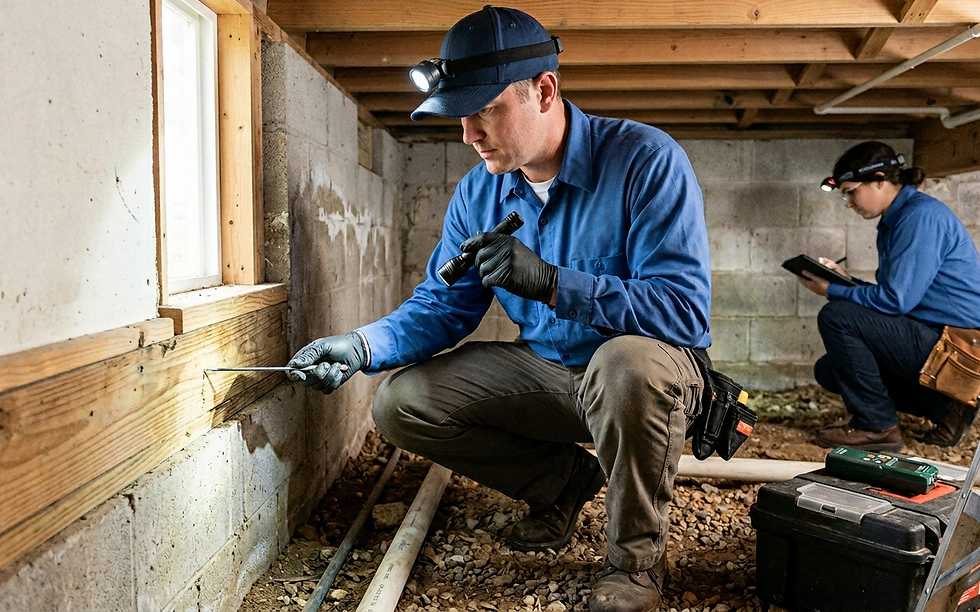
The foundation of termite prevention is consistency. An annual inspection ensures that if termites do show up, they're caught early. Professionals know where termites hide, the species active in your region, and the subtle clues that homeowners usually overlook.
One of the smartest decisions older homeowners can make is partnering with a company that specializes in termite work. In Southern California, termite-focused companies like Attack Pest Control have decades of experience dealing with drywood and subterranean species specifically — something general pest companies don’t always offer.
2. Manage Moisture Like Your Home Depends On It (Because It Does)
Moisture problems are extremely common in older homes, especially in:
Crawl spaces
Basements
Attics
Bathrooms
Under sinks
Around old water heaters
Simple upgrades make a major difference:
✔ Fix plumbing leaks (even “small” ones)
✔ Add ventilation to damp spaces
✔ Clean gutters and extend downspouts away from the foundation
✔ Check grading so water doesn’t pool near the home
✔ Use dehumidifiers where needed
Less moisture equals fewer active termites — it’s that simple.
3. Keep Wood and Soil Separate
One of the biggest structural mistakes older homes have is direct wood-to-soil contact. Termites thrive in those environments.
Key areas to check include:
Fence posts touching siding
Decks resting directly on soil
Wooden steps without risers
Mulch piled against foundations
Firewood stored near walls
Even a few inches of separation creates a physical barrier that forces termites to work harder to invade.
4. Seal Cracks and Entry Points
Older homes tend to settle and shift, creating tiny gaps. Sealing those gaps helps reduce entry points for termites and other pests. Focus on:
Foundation cracks
Gaps around utility lines
Openings near vents
Attic access points
While sealing alone won’t prevent termites, it reduces access and supports other prevention methods.
5. Consider Preventative Treatments
For high-risk older homes, preventative treatments make financial sense. Depending on conditions, that may include:
Soil treatments
Baiting systems
Localized spot treatments
Whole-home fumigation (for drywood termites)
A good termite company will evaluate your home’s construction, age, and previous repairs before recommending a method — not just sell you a generic package.
What to Do If You Suspect Termites

If you’ve noticed wings, mud tubes, frass, or hollow wood, here’s what you shouldn’t do:
❌ Don’t spray random store pesticides
❌ Don’t knock down mud tubes
❌ Don’t seal off areas before inspection
❌ Don’t delay “to see if it gets worse” — it will
And here’s what you should do instead:
Step 1: Document What You See
Take photos of anything suspicious. Professionals use these to identify species and patterns.
Step 2: Call a Termite Specialist
Not a general pest tech — a termite specialist. Identification matters because drywood and subterranean termites require very different treatment approaches.
Step 3: Get a Detailed Inspection Report
A proper report will outline:
Type of termite
Extent of infestation
Areas affected
Treatment options
Repair recommendations
The goal isn’t just to kill termites — it’s to protect your home for the long term.
Long-Term Protection: Think in Decades, Not Months
Termite management isn’t a one-time event. For owners of older homes, it becomes part of the maintenance routine — like roof repairs, HVAC servicing, or plumbing upkeep.
The most effective long-term strategy includes:
Yearly inspections
Moisture control
Wood maintenance
Soil and foundation checks
Preventative treatments as needed
This balanced approach prevents surprises — and surprises are what cost homeowners tens of thousands of dollars.
Older Homes Deserve Protection
Aging houses carry stories, charm, and character you can’t buy in a new subdivision. But they also carry vulnerabilities you can’t ignore. Termites don’t care how much you love your home — they only care about finding food and moisture. By understanding the risks, recognizing early signs, and creating a proactive plan, you protect both the beauty and the structure of your home.
For homeowners in Los Angeles County and the surrounding Southern California areas, companies like Attack Pest Control provide specialized termite inspections, treatments, and long-term prevention plans designed specifically for older homes and the dry climate of Southern California. With decades of experience and termite-focused service, they help homeowners preserve their properties and avoid the financial and emotional stress of severe termite damage.
If you’re serious about protecting your older home, start with a professional inspection — it’s the most important step you can take.


Comments