.png)
Why Termite Damage Repair Cost Often Reaches Thousands
- Mar 27
- 4 min read
Updated: May 20
Understanding the termite damage repair cost is important for property owners, especially because most infestations go unnoticed until repairs become expensive. Termites are quiet, slow, and easy to ignore—until the damage becomes impossible to miss.
By the time most property owners realize there’s a problem, the repair bill is already in the thousands. What started as a small, hidden infestation can turn into serious structural damage affecting floors, walls, ceilings, and even the foundation.
If you’re wondering why termite damage is so expensive to fix, this guide breaks it down in a way that actually makes sense.
The Hidden Nature of Termite Damage

One of the biggest reasons termite repairs cost so much is simple: you don’t see the damage right away.
Termites don’t destroy wood from the outside. They eat it from the inside out. That means:
Beams can look solid but are hollow inside
Floors may feel fine until they suddenly weaken
Walls can hide extensive damage behind drywall
By the time visible signs appear—like sagging wood or hollow sounds—the damage has already spread.
And the more time termites have, the more expensive the repairs become.
Structural Damage Isn’t Cheap to Fix
Termites don’t just nibble on wood—they target the structural parts of your property.
This includes:
Support beams
Floor joists
Wall studs
Roof framing
Once these areas are compromised, repairs go beyond cosmetic fixes.
You’re not just replacing wood—you’re restoring structural integrity.
That can involve:
Opening walls
Reinforcing framing
Replacing major sections of wood
And that’s where costs quickly climb into the thousands.
Labor Costs Add Up Fast
Fixing termite damage isn’t a quick DIY project.
It requires skilled professionals who can:
Assess the extent of the damage
Safely remove compromised materials
Rebuild structural components
This process takes time—and labor is one of the biggest costs in any repair job.
In many cases, contractors need to:
Remove drywall or flooring
Access hard-to-reach areas like crawl spaces
Reconstruct parts of the building
The more extensive the damage, the more labor is involved.
Damage Often Spreads Further Than Expected
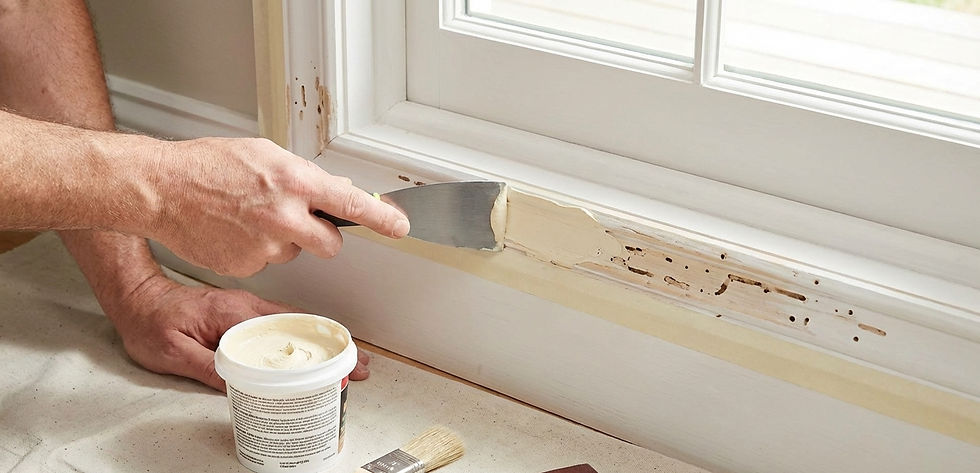
Another reason costs increase is that termite damage is rarely isolated.
Once you open up one section, you often find:
Additional damaged wood
Hidden colonies
Moisture issues attracting termites
What seemed like a small repair can quickly expand into a much larger project.
This “hidden damage” factor is one of the biggest reasons repair costs can surprise property owners.
Repairs May Involve Multiple Areas
Termites don’t stay in one place.
They can spread throughout a structure, affecting multiple areas at once.
For example:
Crawl spaces
Attics
Interior walls
Exterior siding
Instead of fixing one section, you may need repairs in several parts of the property.
That means:
More materials
More labor
More time
And ultimately, higher costs.
Termite Damage Can Affect Property Value

Even after repairs, termite damage can impact how your property is viewed.
Buyers and tenants often see termite history as a risk.
You may need to:
Provide inspection reports
Show proof of treatment
Offer repair documentation
In some cases, properties with termite damage may sell for less or take longer to sell.
Insurance Usually Doesn’t Cover Termite Damage
This is something many property owners don’t realize until it’s too late.
Most insurance policies consider termite damage preventable maintenance, not sudden damage.
That means:
Repairs are typically out-of-pocket
There’s no reimbursement for structural damage
Prevention becomes even more important \
This is a major reason why termite issues can become financially overwhelming.
Delaying Treatment Makes Everything Worse

The longer termites are active, the more damage they cause.
A small infestation can turn into a major structural problem in a matter of months.
Delaying action leads to:
Increased repair costs
Larger affected areas
More complex restoration work
Early treatment is always cheaper than late-stage repairs.
Prevention Is Always Cheaper Than Repair

Here’s the truth:
It costs far less to prevent termites than to fix the damage they cause.
Routine inspections can catch:
Early signs of infestation
Moisture problems
Conditions that attract termites
Preventive treatments are relatively low-cost compared to major structural repairs.
Common Signs You Might Have Termite Damage
Knowing what to look for can save you thousands.
Watch for:
Hollow-sounding wood
Mud tubes along walls or foundations
Discarded wings near windows
Cracked or bubbling paint
Sagging floors or ceilings
If you notice any of these signs, it’s best to act quickly.
FAQs
1. How much does termite damage repair usually cost?
Costs can range from a few hundred dollars for minor repairs to several thousand dollars for structural damage.
2. Why is termite damage so expensive?
Because it often affects structural components and requires labor-intensive repairs.
3. Can termite damage be repaired completely?
Yes, but it depends on how early the damage is detected.
4. Does insurance cover termite damage?
In most cases, no. It’s considered preventable maintenance.
5. How long does it take to repair termite damage?
It depends on severity, but repairs can take days to weeks.
6. Can I fix termite damage myself?
Minor cosmetic repairs may be possible, but structural damage should always be handled by professionals.
7. How do I know if termites are still active?
A professional inspection is the best way to confirm active infestation.
8. Do termites come back after treatment?
They can if preventive measures aren’t maintained.
9. What areas are most commonly affected?
Crawl spaces, basements, walls, and wooden structures.
10. How can I prevent termite damage?
Regular inspections and professional pest control treatments are the most effective methods.
Final Thoughts: Don’t Wait Until the Damage Is Done
Termite damage doesn’t happen overnight—but the costs can feel that way.
What starts as a small, hidden problem can quickly turn into thousands of dollars in repairs if left untreated.
The key is catching it early—or better yet, preventing it altogether.
Protect Your Property Before Costs Add Up

If you want to avoid expensive termite repairs, the best step is early detection and professional treatment.
Visit Attack Pest Control to schedule a termite inspection and protect your property before the damage gets worse.
A simple inspection today could save you thousands tomorrow.


Comments