.png)
Termite Control for Schools: Protecting Buildings From Hidden Structural Damage
School buildings stay busy throughout the year. Classrooms fill, activities change, and maintenance teams keep everything running smoothly. Termites, however, can remain hidden in the background.
A thoughtful school termite control plan helps facility teams spot early signs of activity, address conditions that may attract termites, and coordinate treatment without disrupting daily operations.

Why Schools Need Specialized Termite Control
Schools have many areas where termite activity can go unnoticed, including classrooms, libraries, storage rooms, crawl spaces, foundations, utility areas, and landscaped grounds.
Moisture from plumbing, irrigation, drainage, or leaks can also create conditions that deserve attention during a termite inspection.
A practical termite management plan gives facility teams a way to inspect these areas, document findings, and schedule treatment around the school calendar.
For schools in Los Angeles County, professional termite control services can provide an inspection and treatment plan based on the property's condition.
Areas to Check During a School Termite Inspection
A school termite inspection looks beyond the most visible parts of the building. Some areas may be easy to check, while others require professional access.
Classrooms and Offices
Wood trim, flooring, doors, baseboards, cabinets, and accessible structural components can be checked for signs of termite activity.
Keeping furniture and stored materials organized also makes inspection areas easier to reach.
Libraries and Storage Rooms
Libraries may contain wooden shelving, cabinets, and large amounts of paper-based materials. Storage rooms can contain cardboard, wood fixtures, and other stored materials.
Keeping these spaces organized helps technicians access walls, floors, and other areas where signs of activity may be present.
Cafeterias and Utility Areas
Plumbing connections, utility rooms, drainage areas, and locations with recurring moisture deserve attention.
Addressing leaks and drainage problems can also help reduce conditions that may support termite activity.
Crawl Spaces and Structural Areas
Crawl spaces, foundations, wall spaces, attics, and other less visible areas can be important during an inspection.
These spaces may be difficult for school staff to assess on their own, making professional evaluation especially useful when termite activity is suspected.
Exterior Grounds
The inspection can extend beyond the building itself. Foundations, irrigation, landscaping, drainage areas, wooden structures, and places where wood meets soil can all be reviewed.
Schools in nearby communities can also explore termite control services in La Crescenta when arranging termite service for local properties.
Simple Ways to Reduce Termite Risk at School
Termite prevention can be part of regular property maintenance rather than a separate task.
Schedule Routine Inspections
Regular inspections give facility teams an opportunity to monitor foundations, crawl spaces, structural wood, and other areas where termite activity may develop.
The right inspection schedule depends on the building, its history, environmental conditions, and previous treatment.
Keep Moisture Under Control
Moisture deserves attention around any school building. Facility teams can monitor plumbing, irrigation, drainage, roofs, and gutters and address recurring leaks or standing water.
Maintain Clearance Around the Building
Keep wood debris, stored lumber, and other cellulose materials away from the structure where possible. Landscaping and mulch should also be managed so important foundation and inspection areas remain accessible.
Consider Monitoring or Baiting
Depending on the termite species and property conditions, a professional may recommend a monitoring or baiting system.
These approaches can be part of a broader termite management plan, but the appropriate method should always be based on an inspection and the conditions found at the property.
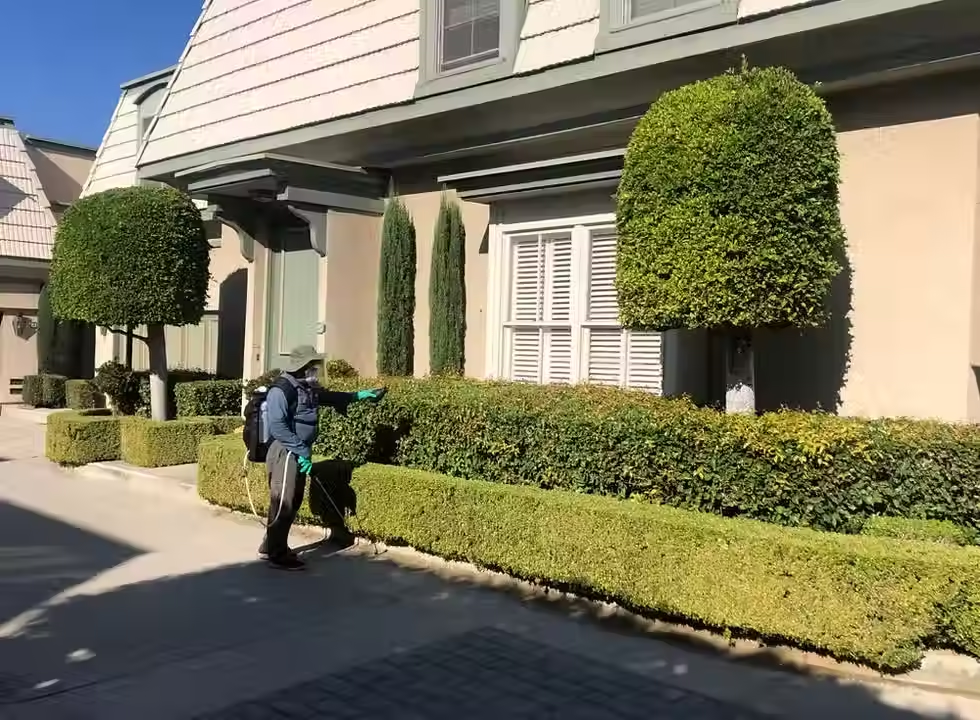
Planning Termite Treatment Around School Operations
Termite service does not always have to interfere with the school day. The timing can be planned around classes, maintenance periods, events, and campus closures.
Choose a Practical Service Window
Depending on the treatment method and property, service may be scheduled after school, on weekends, during maintenance periods, or while the campus is closed.
The goal is to give the technician proper access while keeping the school's schedule organized.
Coordinate With Administration and Maintenance
A simple service plan can outline which areas need access, when the technician will arrive, what preparation is needed, and who will coordinate the visit.
Clear communication makes the process easier for everyone involved.
Follow Treatment and Reentry Instructions
Treatment requirements vary depending on the products and methods used.
School administrators and facility teams should follow the pest professional's preparation instructions, product label directions, and reentry guidance.
Keep Service Records
Inspection reports, photographs, treatment details, recommendations, and follow-up information can be kept with the school's facility records.
Having this history available can make future inspections easier and help the team track recurring concerns.
Choosing the Right Termite Treatment for a School
There is no single treatment that fits every school.
The appropriate approach depends on the building's construction, termite species, location of activity, accessibility, moisture conditions, and previous treatment history.
Targeted Treatment
When termite activity is limited to a specific area, treatment may focus on the locations identified during the inspection.
This can make it easier to coordinate service around particular rooms or structural areas.
Soil and Foundation Treatment
Subterranean termites may enter buildings through soil and foundation areas. When inspection findings support this approach, a professional may recommend soil treatment or another suitable method.
Wood Treatment
Accessible wood affected by termite activity may require treatment based on its condition and location.
The technician can determine the appropriate approach after evaluating the affected area.
Monitoring and Follow-Up
Some properties benefit from follow-up inspections or monitoring after treatment.
This gives facility teams an opportunity to keep track of conditions and address new observations as they arise.
Schools in surrounding communities can also explore termite control services in La Verne when arranging local termite service.
For properties where termite activity involves concealed areas beneath concrete, facility managers can also review this guide to termite treatment under concrete slabs.
Building a Practical School Termite Prevention Plan
Good termite management works best when it becomes part of regular facility care.
Teams can monitor plumbing, drainage, irrigation, landscaping, foundations, structural openings, and areas where moisture tends to return.
It also helps to keep inspection and treatment records together. Previous findings can give technicians useful context during future visits.
The U.S. Environmental Protection Agency recommends an integrated approach to pest management in schools that includes inspection, monitoring, prevention, communication, documentation, and careful use of pest control products.
For school administrators, the process can be simple: inspect the property, address conditions that support termite activity, document service, and follow up when recommended.
A Practical Approach to School Termite Control
Good school termite control should fit naturally into the way the property already operates.
A professional inspection can help identify termite activity, areas that deserve attention, and conditions that may contribute to future concerns. From there, facility teams can plan treatment around the school calendar and keep service records organized.
For schools across Los Angeles County, commercial termite control services from Attack Pest Management provide termite inspections and treatment planning for commercial properties.
A Legacy of Trust Since 1985
Attack Pest Management has served Southern California since 1985, with termite service at the center of its work.
The team focuses entirely on termites, allowing inspections and treatment recommendations to be built around the structure, surrounding property, and activity identified during the inspection.
For school administrators and facility managers, this provides a straightforward way to understand the condition of the property and plan the next step.
Keep Your School Building on a Clear Maintenance Schedule
A termite inspection can give facility managers a clearer view of areas that may otherwise receive little attention.
Attack Pest Management provides termite inspections and treatment for commercial properties throughout Los Angeles County.
Schedule your termite inspection today:
📞 626 915 1111 🌐 Contact Attack Pest Management
Frequently Asked Questions
What is termite control for schools?
Termite control for schools includes professional inspections, identification of termite activity, treatment recommendations, service documentation, and follow-up based on the property's needs.
It can also include moisture management, monitoring, and regular building maintenance.
Why should schools schedule a commercial termite inspection?
School buildings contain classrooms, libraries, storage spaces, utility areas, structural components, and landscaped grounds that may require inspection.
A commercial termite inspection can help facility teams identify activity and conditions that deserve attention.
What areas should a school termite inspection cover?
A school inspection may include classrooms, offices, libraries, storage rooms, cafeterias, utility areas, crawl spaces, foundations, structural wood, landscaping, drainage areas, and exterior building components.
The exact inspection areas depend on the property and available access.
Can termite treatment be scheduled around school hours?
Yes. Depending on the property and treatment method, service may be arranged during maintenance periods, after school, on weekends, or during planned closures.
School administrators should coordinate the service window with the pest professional and follow any preparation or reentry instructions provided.
How can schools help reduce termite risk?
Schools can maintain proper drainage, address recurring moisture, manage landscaping, maintain structural openings, organize storage areas, and schedule professional termite inspections.
Keeping wood debris and stored lumber away from the building can also help keep inspection areas accessible.
Should schools use termite baiting systems?
Baiting may be appropriate for some properties, depending on the termite species, activity, building conditions, and overall treatment plan.
A pest professional can evaluate the property and determine whether monitoring or baiting is suitable.
What should a school keep in its termite service records?
Records may include inspection findings, service dates, treatment details, photographs, recommendations, preparation instructions, and follow-up information.
Keeping these records together gives facility teams a useful history for future inspections and treatment.
How often should a school schedule a termite inspection?
The appropriate schedule depends on the building, termite history, environmental conditions, previous treatment, and monitoring needs.
A termite professional can recommend an inspection schedule based on the property's condition.


Comments