.png)
Essential Advice on Preventing Termite Infestations and Protecting Your Home
- Dec 23, 2025
- 3 min read
Updated: May 20
Termites are one of the most destructive pests a homeowner can face—and the most dangerous part is how quietly they work. Many infestations go unnoticed for months or even years, causing extensive structural damage before any visible signs appear.
The good news? Termite infestations are highly preventable when you understand what attracts them and how to protect your home properly. This guide covers practical, proven steps you can take to reduce your risk and explains when professional termite control becomes essential.
Why Termite Prevention Matters More Than Treatment

By the time termites are visible, damage has often already occurred. Termites feed on wood from the inside out, weakening foundations, beams, and framing while leaving surfaces looking untouched.
Preventive action helps you:
Protect your home’s structural integrity
Avoid expensive repair costs
Maintain your property value
Gain peace of mind year-round
In termite-prone areas, prevention isn’t optional—it’s essential.
Common Signs of a Potential Termite Problem
Even though termites are hidden pests, there are warning signs homeowners should never ignore:
Mud tubes along walls or foundations
Hollow-sounding wood
Discarded wings near windows or doors
Tight-fitting doors or warped wood
Cracks in paint that resemble water damage
If you notice any of these, a professional inspection should be scheduled immediately.
What Attracts Termites to Your Home?

Understanding termite behavior is key to prevention. Termites are primarily attracted to three things: wood, moisture, and easy access.
1. Excess Moisture
Leaky pipes, poor drainage, and clogged gutters create ideal environments for termites.
Prevention tips:
Fix plumbing leaks promptly
Ensure proper drainage away from your foundation
Keep gutters and downspouts clear
2. Wood-to-Soil Contact
When wood touches soil, termites gain direct access to your home.
Prevention tips:
Keep firewood stored away from your house
Avoid wood mulch near foundations
Maintain at least a 6-inch clearance between soil and siding
3. Hidden Entry Points
Small cracks and gaps make it easy for termites to enter undetected.
Prevention tips:
Seal cracks in foundations and exterior walls
Repair damaged siding
Keep crawl spaces well-ventilated
Landscaping Choices That Can Reduce Termite Risk

Your yard plays a major role in termite prevention.
Avoid placing mulch directly against your foundation
Keep shrubs trimmed away from exterior walls
Remove tree stumps and dead roots near your home
Ensure soil slopes away from your house
Smart landscaping reduces moisture buildup and limits termite access points.
Why DIY Termite Prevention Isn’t Enough
While homeowner efforts help reduce risk, termites are persistent and highly adaptable. Store-bought treatments and DIY solutions often provide temporary relief, not long-term protection.
Professional termite control offers:
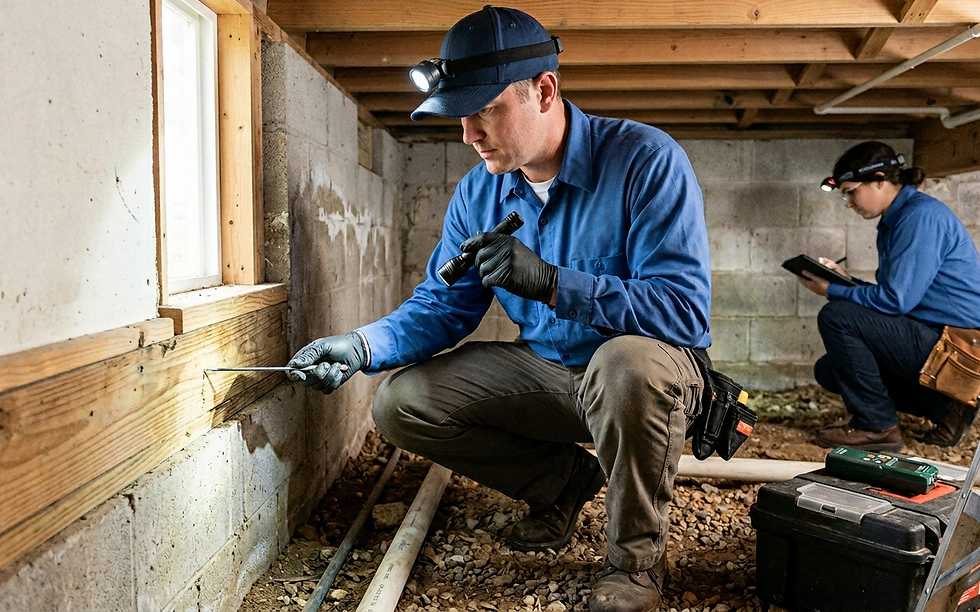
Thorough inspections using trained expertise
Identification of hidden infestations
Proven treatment methods tailored to your home
Long-term prevention strategies
Skipping professional help often leads to repeated infestations and greater damage over time.
Termite Infestation Prevention: How to Protect Your Home Early

Routine inspections are one of the most effective ways to prevent termite damage.
Professionals can detect early activity long before it becomes visible or destructive.
Experts recommend:
Annual termite inspections
More frequent checks for older homes or high-risk areas
Inspections before buying or selling a property
Early detection saves money—and stress.
Professional Termite Prevention Solutions
A licensed pest control provider can implement advanced prevention methods that go far beyond DIY approaches, including:
Soil treatments
Barrier systems
Targeted treatments for existing colonies
Ongoing monitoring programs
These solutions are designed to stop termites before they reach your home—or eliminate them completely if they already have.
Protect Your Home with Expert Termite Control

Termites don’t wait, and neither should you. Prevention is always easier—and far less expensive—than repairing structural damage after an infestation takes hold.
If you want expert guidance, thorough inspections, and reliable termite protection, trust the professionals at Attack Pest Control.


Comments